

Roof Preparation for Solar Panel Installation: Ensuring a Successful and Safe Setup
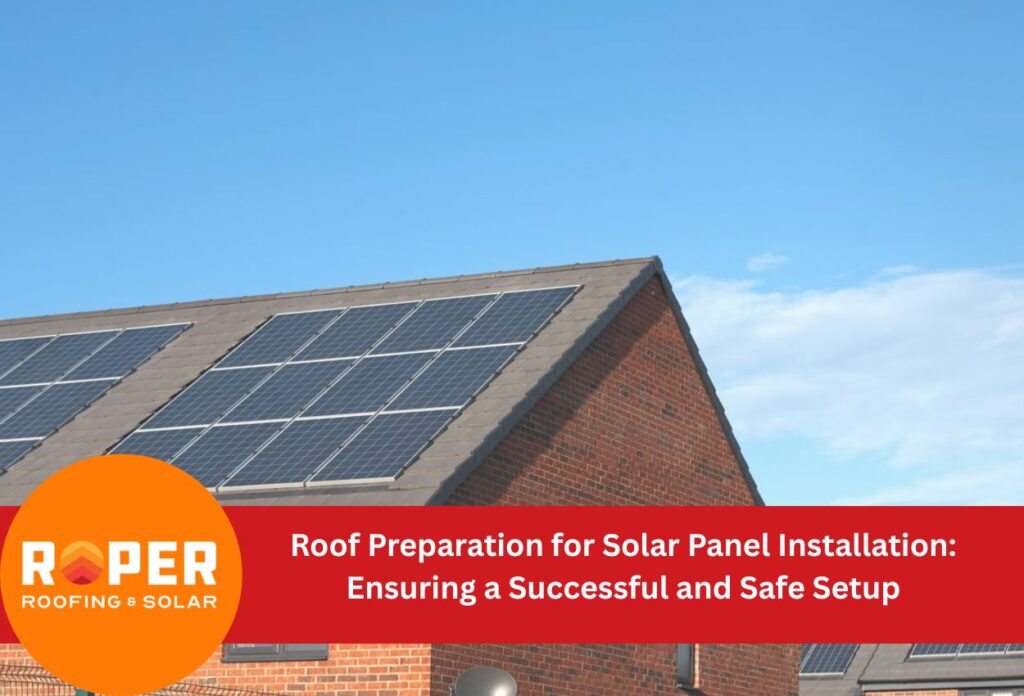
The decision to install solar panels on your home is a significant investment toward energy independence and sustainability. However, before the panels can start generating clean electricity, your roof must be evaluated and prepared. A thorough roof inspection for solar panels is the critical first step that many Denver homeowners overlook in their excitement to go solar.
Your roof serves as the foundation for your entire solar energy system, making preparation essential for both safety and performance. A comprehensive roof condition evaluation identifies potential issues that could compromise your installation or lead to repairs down the road. From checking structural integrity to assessing shingle condition, this preparatory phase determines if your roof can handle the additional weight and stress of solar equipment.
Not every roof is immediately ready for solar panel installation. Some may require reinforcement before solar installation can proceed safely. Others might need repairs or even replacement if they’re nearing the end of their service life. Understanding these solar panel roof requirements early in the process prevents issues during installation and ensures your renewable energy system performs optimally for decades.
When it comes to rooftop solar panels, preparation can be the difference between problematic installations and successful solar transitions. This critical groundwork protects both your roof and your renewable energy investment.
Structural Requirements for Your Roof to Support Solar Panels
Before installing solar panels, your roof must meet specific structural requirements to safely bear the additional weight. Most residential solar panel systems add approximately 3 to 4 pounds per square foot to your roof’s load. This might not sound substantial, but across an entire array, the cumulative weight becomes significant. A roofing structural assessment for solar installation analyzes whether your existing roof can handle this added burden.
Roof pitch and orientation are crucial factors affecting solar viability. In Denver’s latitude, south-facing roofs with a pitch between 30 and 45 degrees typically capture optimal sunlight. However, east and west-facing surfaces can still provide efficient energy production. Your roof’s available square footage also determines system size and potential energy output.
Denver building codes contain specific requirements for solar installations. Current regulations mandate that your roof structure must support both the dead load (panel weight) and live loads (snow, wind) without compromising integrity. All installations require proper permits, and adherence to the International Residential Code alongside Denver’s local amendments is mandatory.
Roof reinforcement before solar installation may be necessary for older homes or structures with existing damage. This may mean adding support beams, replacing deteriorated rafters, or installing additional bracing. An experienced Denver roofing contractor can identify these needs during a comprehensive roof condition evaluation for solar energy.
Professional Roof Inspection Checklist for Solar Readiness
Professional roof inspections for solar readiness go far beyond what homeowners can identify on their own. Certified roofing contractors conduct comprehensive evaluations that specifically address the unique demands solar panel systems place on your roof. These inspections typically begin with a thorough assessment of your roof’s structural integrity, checking rafters, trusses, and supporting elements to ensure they can handle the additional weight per square foot that solar arrays add.
Trained inspectors meticulously search for signs of existing water damage, identifying even subtle indicators like discolored ceiling spots, warped sheathing, or softened roof decking. They’ll locate potential leak points around penetrations such as vents, chimneys, and skylights that could compromise your solar installation. The condition of your roofing materials receives particular scrutiny, as damaged or aging shingles may require replacement before solar panels are installed.
While DIY evaluations provide a starting point, professional assessments utilize specialized equipment and trained expertise to detect issues invisible to the untrained eye. Professional inspectors can identify hidden structural weaknesses using moisture meters and thermal imaging that homeowners simply cannot access. Denver roofing contractors familiar with solar installations also understand regional weather patterns and building code requirements specific to Colorado’s climate.
This professional evaluation is essential protection for both your home and your solar investment, potentially saving thousands in future repairs by addressing roofing issues before the panels are installed.
Addressing Common Roof Issues Before Solar Installation
Pre-solar inspections in Colorado homes frequently reveal several common roofing issues that should be addressed before installation begins. Damaged or missing shingles are among the most prevalent problems, often resulting from Colorado’s intense hailstorms and high UV exposure. These compromised areas create potential water entry points that could damage both your roof structure and the solar equipment mounted above.
Poor ventilation is another critical concern, as inadequate airflow can trap heat and moisture in your attic, accelerating shingle deterioration and reducing your roof’s lifespan. Denver’s seasonal temperature fluctuations make ventilation particularly important for maintaining roof integrity beneath solar panels.
Many inspections also uncover flashing issues around roof penetrations, in valleys, and along roof edges. These metal components prevent water infiltration at roof transitions but often deteriorate or become loose over time. Once solar panels are installed, accessing these areas for repairs becomes significantly more complicated and expensive.
Timing also plays a crucial role in repair decisions. If your roof has over 5 years of remaining life, targeted repairs may suffice. However, if your roof is approaching the end of its functional lifespan, typically 15 to 20 years for asphalt shingles in Colorado, complete replacement before solar installation is usually more cost-effective. This prevents the considerable expense of removing and reinstalling solar panels for roof replacement just a few years later.
Roof Reinforcement Techniques for Solar Panel Support
Different roof types require specific reinforcement approaches to safely support solar panel systems. For traditional rafter roofs common in older Denver homes, additional collar ties or sister rafters may be installed alongside existing structural members to increase load capacity. Truss roofs typically require specialized reinforcement at connection points where solar mounting hardware will attach, ensuring weight distribution across multiple trusses.
Flat roofs have different challenges, often needing additional support beams beneath mounting points or ballasted racking systems that distribute weight more evenly across the roof surface. For tile roofs, specialized mounting solutions that anchor into the structural elements beneath the tiles prevent cracking while maintaining waterproof integrity.
Denver’s climate significantly impacts reinforcement requirements. Our region’s substantial snow, sometimes weighing up to 30 pounds per square foot in heavy storms, must be factored into structural calculations when adding solar panels. High wind zones in the Front Range area may necessitate additional anchoring and bracing to prevent uplift damage during Colorado’s notorious windstorms.
Strategic reinforcement matters tremendously. Rather than randomly strengthening areas, professional roofers target specific load paths, ensuring forces transfer properly from panels through mounting hardware and down to your home’s foundation. This engineered approach maximizes safety while minimizing unnecessary modifications to your roof structure.
Roofing Material Compatibility with Solar Panel Systems
Different roofing materials need different solar panel mounting systems and specific preparation approaches. Asphalt shingles, the most common roofing material in Denver, generally accommodate solar installations well with standard mounting brackets that attach directly to roof rafters. However, these penetrations must be sealed to prevent leaks, especially considering Colorado’s varying weather conditions.
Metal roofs offer excellent compatibility with solar systems, often not requiring drilling through the roof thanks to special clamp-based mounting systems that attach directly to the raised seams. This creates a secure connection without compromising roof integrity, making metal roofs a popular choice for Denver homeowners planning solar installations.
Tile roofs present more challenges and need specialized mounting hardware that works around the curved profiles. Installers must carefully remove tiles at mounting points, install brackets to the roof deck, and replace tiles with additional waterproofing measures. This precision work requires experienced professionals familiar with both roofing and solar installation techniques.
There are now innovative “solar-ready” roofing products available specifically designed for optimal panel integration. These include composite shingles with pre-engineered mounting points, metal roofs with integrated panel channels, and low-profile systems that blend seamlessly with the roof surface. When planning a roof replacement, discussing these solar-friendly options with your Denver roofing contractor can significantly simplify future panel installation while maximizing energy production potential.
Post-Preparation Steps: From Roof Readiness to Solar Installation
Once your roof has been prepared and reinforced for solar panels, the transition to installation begins. This phase typically takes up to a few weeks from roof completion to when solar panels start generating electricity. During this period, coordination between your roofing contractor and solar installation team is critical. Most Denver homeowners can expect a final roofing inspection, followed by the solar company’s pre-installation assessment to verify roof readiness.
Your roofing contractor should provide detailed documentation of all work completed, including structural reinforcements, repair areas, and waterproofing measures. This information helps your solar installer determine optimal mounting locations and techniques specific to your roof’s condition. The most successful installations occur when both teams communicate directly before mounting hardware is attached.
After your solar system is operational, ongoing roof maintenance is essential for protecting both investments. Regular inspections should focus on checking mounting point seals, clearing debris from panels and drainage paths, and monitoring for any signs of leaks. The areas surrounding panel mounts require extra attention as these connection points experience additional stress from weight and wind forces.
In Colorado, seasonal maintenance considerations include snow removal for winter months and checking for storm damage after severe weather. With proper care, your newly prepared roof will successfully support your solar system throughout its 25-year expected lifespan while maintaining your home’s structural integrity.
Get Your Roof Ready for Solar Panel Installation with Roper Roofing & Solar
Are you considering installing solar panels? Before taking the plunge, it’s crucial to ensure that your roof is in prime condition to support this investment. At Roper Roofing & Solar, we specialize in roof preparation for solar panel installation, ensuring your home meets all structural and material requirements. Don’t risk the safety and efficiency of your solar system by skipping essential roof preparations.
Our team provides comprehensive assessments and tailored reinforcement solutions, making your roof solar-ready in compliance with Denver’s rigorous building codes. This not only guarantees long-term performance but also maximizes your investment by preventing future complications.
Ready to transition to solar energy? Call Roper Roofing & Solar at (720) 475-1065 to schedule your professional roof inspection and ensure your roof is perfect for solar panels!