

Denver’s dramatic temperature swings, intense UV exposure, and unpredictable weather patterns can accelerate siding deterioration faster than in many other regions. Regular siding maintenance becomes important for protecting homes against these harsh environmental conditions.
Temperature fluctuations between hot days and occasional freezing nights cause siding materials to expand and contract repeatedly. This constant movement creates stress that can lead to cracks, warping, and premature aging. The high altitude and thin atmosphere intensify UV radiation, causing color fading and material breakdown over time. Hailstorms, heavy snow loads, and sudden temperature drops add additional stress to exterior surfaces.
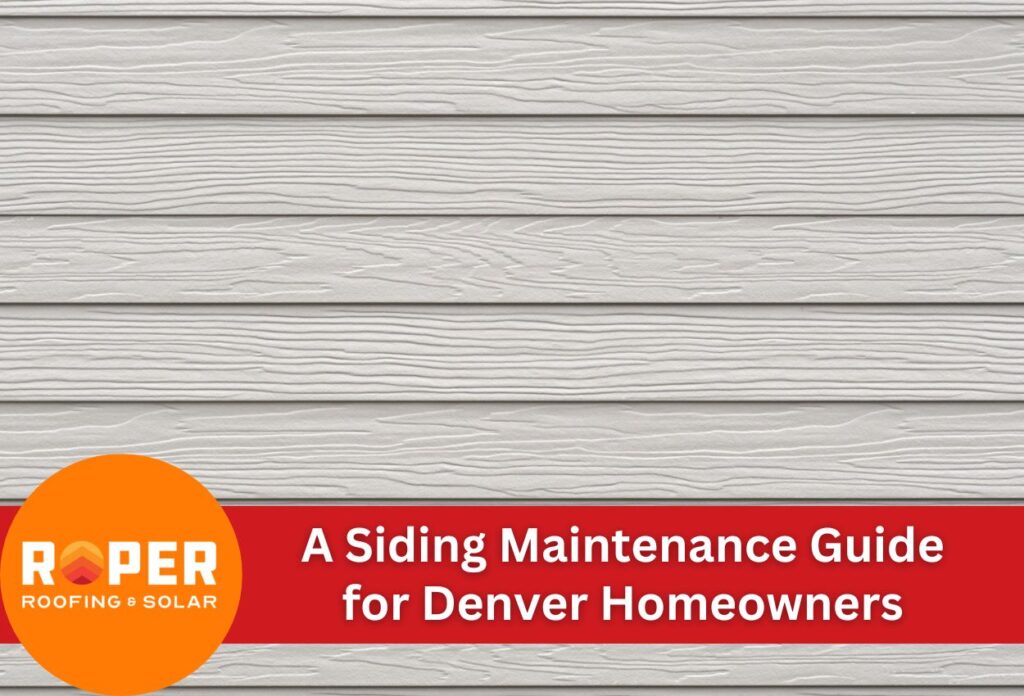
Different siding materials require specific maintenance approaches to perform effectively in Colorado’s climate. Vinyl siding cleaning methods differ significantly from wood maintenance requirements, while fiber cement and aluminum options each present their own care considerations. Understanding these needs helps homeowners develop effective maintenance routines.
Proper siding repair techniques and regular vinyl siding inspection practices can prevent siding damage before it becomes expensive. Implementing exterior home maintenance strategies protects your investment while maintaining your home’s curb appeal and structural integrity.
Comprehensive Siding Inspection Techniques
Conducting thorough siding inspections requires an examination of your home’s exterior surfaces throughout different seasons. Spring and fall provide the best timing, allowing homeowners to identify winter damage and prepare for upcoming weather challenges. Start inspections at ground level and work upward, examining each panel for visible cracks, warping, or loose sections that compromise protective barriers.
Signs of a water leak often appear as dark stains, mold growth, or soft spots on the back of siding panels. Check areas where different materials meet, including transitions between siding and stone or brick surfaces. Pay special attention to sections near downspouts and areas with heavy shade, where water tends to accumulate and create conditions for deterioration.
Professional inspection checklists include frequently overlooked locations that homeowners typically miss during routine examinations, like foundation-level siding sections. These areas collect debris and moisture, making them vulnerable to damage. Areas behind gutter systems are other areas that often harbor trapped leaves and standing water that can cause long-term problems.
Effective siding repair techniques depend on early detection through regular inspections. Document problem areas with photographs and measurements to track progression over time. This systematic approach to exterior home maintenance helps prevent siding damage from developing into major structural issues requiring extensive repairs.
Proven Vinyl Siding Cleaning Methods
Effective vinyl siding cleaning methods require understanding which solutions work best without compromising the material’s structural integrity or manufacturer warranties. Basic cleaning solutions using warm water and mild dish soap remove most dirt and surface grime safely. For stubborn stains and mildew, mixing one part white vinegar with three parts water creates an effective cleaning solution that breaks down organic growth without harsh chemicals.
Power washing requires specific pressure settings to prevent siding damage during cleaning. Be sure to keep pressure below 1,500 PSI and keep the nozzle at least 12 inches from the surface of the siding. You should avoid using high-pressure settings on older vinyl installations where panels may have become brittle over time.
Manual scrubbing works effectively for targeted stain removal and areas requiring gentle treatment. Soft-bristled brushes paired with appropriate cleaning solutions tackle mildew and oxidation without scratching vinyl surfaces. Start cleaning from the bottom sections and work upward to prevent streaking and ensure thorough coverage of all areas.
Seasonal cleaning schedules maximize effectiveness while preventing accumulated damage. Spring cleaning removes winter debris and prepares surfaces for summer weather exposure. Fall maintenance eliminates moss and algae growth before winter and identifies areas needing attention. Regular cleaning prevents siding damage by removing corrosive substances before they cause permanent staining or material degradation. These exterior home maintenance practices extend siding lifespan significantly when performed consistently throughout the year.
Effective Siding Repair Solutions
Homeowners can address many common siding issues using basic DIY repair techniques that restore protective barriers without professional intervention. Replacing damaged vinyl panels begins with carefully removing the compromised section using a zip tool to unlock the interlocking mechanism. New panels should match existing profiles and colors precisely to maintain a uniform appearance and weather resistance.
Sections of loose siding typically result from failed fasteners or thermal expansion issues that create gaps in protective coverage. Secure loose panels by adding appropriate fasteners every 16 inches along studs, ensuring panels can still move naturally with temperature changes. Avoid over-tightening screws, which restricts necessary expansion and can cause buckling during hot weather.
Minor cracks and small holes respond well to specialized vinyl repair compounds that restore the surface’s integrity. Clean damaged areas thoroughly before applying repair materials, and sand cured patches smooth to prevent water collection areas. When selecting the material, there are ways to color-match the caulking so the appearance of your system stays uniform while it also seals gaps around the trim and transition areas where different materials meet.
Professional intervention becomes necessary when siding repair techniques exceed typical homeowner capabilities or safety. When there is structural damage affecting multiple panels, the underlying sheathing requires a specialized assessment and repair method, and extensive water issues (that often indicate hidden damage), it’s time to call in a professional for a thorough inspection.
Complex repairs involving electrical components, high-elevation work, or specialized tools call for professional expertise to ensure safe completion. Situations requiring permit applications or building code compliance also benefit from contractor involvement to prevent siding damage from improper installation methods.
Proactive Damage Prevention Strategies
Preventing siding damage requires strategic landscaping decisions that protect exterior surfaces from environmental threats and physical impacts. Proper plant placement keeps vegetation at safe distances from siding materials while maintaining attractive curb appeal. Trees and large shrubs should remain at least 3 feet away from exterior walls to prevent branches from scraping against surfaces during windy conditions.
Effective drainage systems redirect water away from foundation areas where siding meets ground level. Grading soil to slope away from structures prevents water accumulation that leads to moisture infiltration and material deterioration. Installing proper gutters with adequate downspout extensions ensures rainfall moves away from vulnerable siding sections rather than pooling against exterior walls.
Selecting plants to put near your home that could interact with siding impacts long-term siding condition through moisture control and debris management. Dense vegetation planted too close to structures traps humidity against siding surfaces and restricts airflow needed for proper drying. Choose low-maintenance plants that require minimal irrigation to reduce moisture exposure around your home’s perimeter.
Weatherproofing measures extend siding lifespan through protective treatments applied at regular intervals. High-quality caulking around windows, doors, and trim areas prevents water penetration behind siding panels. Annual inspection and reapplication of exterior caulking maintains sealed barriers that protect underlying structural components from moisture damage.
Regular trim maintenance includes checking for loose boards, peeling paint, and gaps that compromise weatherproofing effectiveness. Properly maintained trim pieces direct water away from siding connections and prevent moisture infiltration at vulnerable transition points where different materials meet.
Seasonal Maintenance Calendar
Spring and summer maintenance tasks focus on recovering from winter damage while preparing siding for intense UV exposure and temperature extremes. Begin spring maintenance with comprehensive cleaning to remove accumulated dirt, salt residue, and other debris that collected during the winter. Vinyl siding cleaning methods work most effectively when temperatures remain consistently above freezing, allowing cleaning solutions to work properly and ensuring thorough drying without risk of freezing, which could damage the material.
Post-winter inspections reveal damage that occurred during harsh weather conditions, including loose panels, cracked sections, and compromised caulking around trim areas. Address these issues quickly using appropriate siding repair techniques before summer heat causes additional expansion stress. Check areas where ice dams may have formed, as these locations frequently show signs of leaks or panel displacement.
Summer preparation includes applying UV-protective treatments where appropriate and ensuring proper ventilation around siding installations. Clear vegetation that grew too close to exterior walls during the previous growing season, maintaining adequate clearance for airflow and access for future maintenance activities.
Fall and winter preparation activities center on protecting siding from ice accumulation and snow weight that creates seasonal stress. Remove leaves and organic debris from areas around the foundation and siding, preventing moisture retention that leads to freeze-thaw damage. Winter preparation involves securing loose panels and ensuring drainage systems function properly to prevent ice formation behind siding sections. These exterior home maintenance practices prevent siding damage during Colorado’s challenging winter conditions, maintaining protective barriers when homes need them most. Complete weatherization checks by inspecting and replacing worn caulking before freezing temperatures arrive.
Planning for Long-Term Siding Care
Developing a maintenance schedule requires understanding how siding materials perform over time and recognizing early warning signs that show that it may be time to call in a professional. A well-structured plan combines regular homeowner maintenance with periodic professional evaluations to maximize siding performance throughout its expected lifespan. Annual vinyl siding inspection schedules should include detailed documentation of problem areas, tracking changes that develop gradually over multiple seasons.
Effective maintenance schedules address different timeframes for various care activities. Monthly visual inspections catch immediate problems like loose panels or obvious damage from recent storms. Quarterly cleaning sessions using proven vinyl siding cleaning methods prevent the buildup of contaminants that cause long-term deterioration. Annual professional assessments evaluate overall system integrity and identify subtle issues that require specialized siding repair techniques.
Budget-friendly maintenance strategies focus on preventive care that avoids expensive emergency repairs and premature replacement costs. Simple tasks like keeping gutters clean and maintaining proper drainage prevent siding damage that could require extensive remediation work. Regular application of appropriate cleaning solutions costs significantly less than replacing panels damaged by neglect or improper care.
Timing replacement decisions correctly can maximize the return on maintenance investments while ensuring continued protection for your home. Warning signs include widespread cracking, persistent problems with leaks, or repeated repair needs in multiple areas. Professional assessment becomes valuable when the cost of maintenance starts getting close to the cost of replacement, or when underlying structural issues affect the performance of your siding.
When Your Home Needs Expert Siding Maintenance, Call Roper Roofing & Solar
Maintaining the siding of your Denver home is crucial to protect it from Colorado’s extreme weather conditions. Whether you’re dealing with vinyl, fiber-cement, wood, or aluminum siding, each type requires specific care to prevent premature deterioration. Don’t let UV exposure, temperature fluctuations, and leaks compromise the structural integrity and beauty of your home’s exterior.
At Roper Roofing & Solar, we understand the challenges homeowners face and offer professional siding maintenance services to ensure your home remains in top condition. Our experienced team can help you with everything from routine inspections to complex repairs, employing proven methods that extend the lifespan of your siding and enhance your home’s curb appeal.
Don’t wait for visible damage to take action. Call us today at (720) 475-1065 to schedule a comprehensive siding assessment and maintain the health of your home’s exterior effectively.