


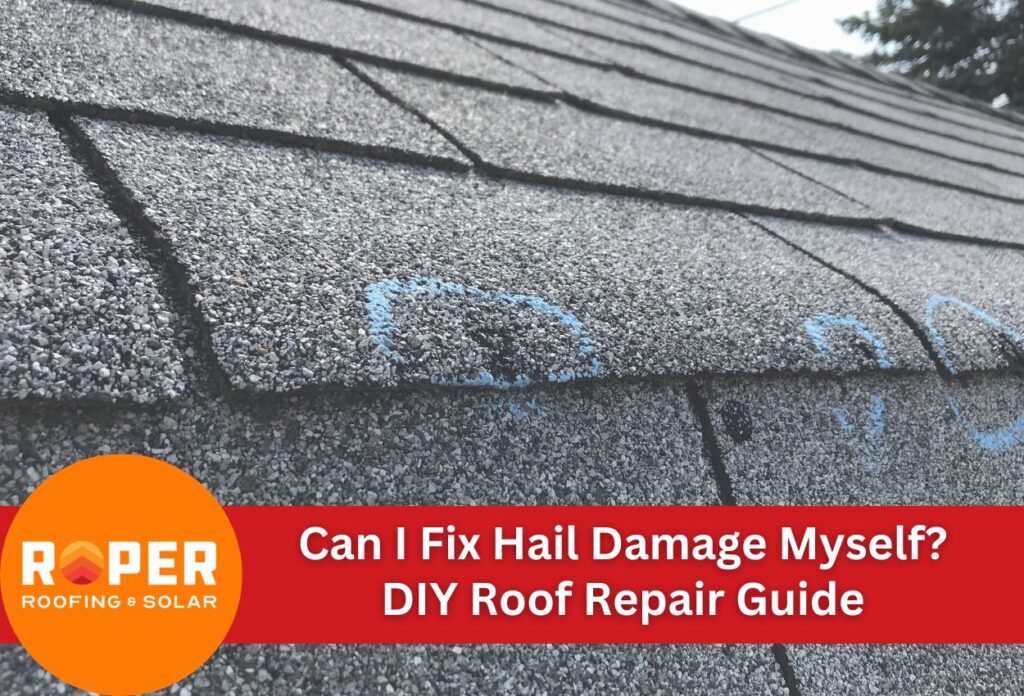
When hailstorms strike Denver and the surrounding areas, they often leave behind noticeable damage to residential roofs. Many homeowners facing repairs immediately wonder: Can I fix hail damage myself? While professional roofing contractors provide comprehensive solutions, some minor hail damage may be manageable through DIY approaches. Understanding what you can realistically handle vs. what requires professional attention is crucial before climbing that ladder.
Typical hail damage includes cracked or missing shingles, granule loss, and dents in flashing or gutters. Each type presents different challenges for homeowners attempting self-repairs. Before considering any DIY hail damage repair, safety must be the priority. Roof work involves significant fall hazards, and improper repairs can lead to water damage or void manufacturer warranties.
The first step in fixing roof hail damage without professionals is conducting a thorough assessment. Homeowners should document all visible damage with photos, check interior ceilings for water stains, and examine gutters for shingle granules. This evaluation helps determine whether self-repair options for hail-damaged shingles are appropriate or if the damage exceeds DIY capabilities.
Not all hail damage should be tackled independently. Small, isolated issues might be manageable, but widespread damage or structural concerns require professional expertise that Colorado roofing contractors provide.
Assessing Hail Damage: How to Identify What You Can Tackle
Before attempting any DIY hail damage repair, you need to assess the extent of damage to your roof. Start by standing in your yard and looking up at your roof for obvious signs like missing shingles or dented metal flashing. For closer inspection, use a sturdy ladder placed on level ground and have someone spot you for safety.
When examining your roof, look for specific indicators of hail damage: circular dents on shingles, cracked or split shingles, exposed roof felt, or areas where granules have been knocked loose. Check metal vents, flashing, and gutters for denting, as these often show damage more visibly than shingles themselves.
Determining repair-worthiness depends on several factors. Minor issues you might handle yourself include replacing a few damaged shingles, sealing small cracks with roofing cement, or reattaching loose flashing. Take photos of all damage for documentation purposes, especially if you may file an insurance claim later.
However, recognize your limitations. Widespread granule loss, multiple broken shingles, or any signs of structural damage require professional intervention. Denver’s varying weather patterns can quickly turn minor roof damage into major problems. When self-repair options seem questionable, trusted Denver roofing contractors can provide thorough inspections and repairs that maintain your roof’s integrity and warranty coverage.
What Tools and Materials You’ll Need for DIY Hail Damage Repair
Successfully tackling hail damage repair requires having the right equipment on hand before you begin. For safety, gather personal protective gear, including non-slip roofing shoes, work gloves, safety glasses, and a secure harness system if working on steep slopes. Never compromise on safety equipment when attempting DIY hail damage repair on your Denver home.
Essential tools for the job include a roofing hammer or nail gun, pry bar, utility knife, chalk line, measuring tape, and roofing nails. You’ll also need a quality caulking gun for applying roofing cement and sealants. For material transportation, a roof bracket system or ladder hook can safely hold shingles and supplies while you work.
The materials list varies depending on your specific damage. Stock up on replacement shingles matching your existing roof, roofing underlayment, ice and water shield, roofing cement, and flashing materials. When fixing roof hail damage without professionals, material quality directly impacts longevity, especially in Colorado’s harsh climate conditions.
Denver homeowners can find quality roofing supplies at local home improvement stores, like Home Depot and Lowe’s, or specialty roofing suppliers. When selecting materials, prioritize products designed for high-altitude UV exposure and temperature fluctuations common along the Front Range.
Step-by-Step Guide to Repairing Minor Shingle Damage
When it comes to fixing minor hail damage yourself, the right techniques ensure repairs that can withstand Denver’s unpredictable weather patterns. Begin by working on a clear, dry day with temperatures between 50 and 85 degrees Fahrenheit for optimal adhesive performance. Always work with a partner and never attempt repairs during windy conditions or when rain threatens.
To replace a damaged shingle, first remove the nails securing the damaged piece and the row above it using your pry bar. Carefully slide out the damaged shingle, then slide the new one into position, aligning it precisely with adjacent shingles. Secure with roofing nails placed just below the adhesive strip of the shingle above, then apply roofing cement under the tabs of the new shingle and the loosened ones above.
For shingles with minor cracks or small punctures, applying roofing cement underneath and directly to the damaged area can extend their lifespan. Spread the cement under the cracked section, press the shingle down, then apply a small amount over the crack, spreading it with a putty knife.
When performing DIY hail damage repair, pay special attention to maintaining your roof’s water-shedding capability. Properly seal all nail heads and ensure shingle alignment follows the existing pattern. While these techniques can address isolated damage, remember that extensive hail damage often requires professional assessment from experienced Denver roofing specialists.
Common DIY Hail Repair Mistakes to Avoid
Even the most capable homeowners can make critical errors when attempting DIY hail damage repairs. One frequent mistake is improper sealing of replaced shingles, which creates entry points for water. Many DIYers apply too little roofing cement or place it incorrectly, compromising the water-tight seal essential for Colorado’s freeze-thaw cycles.
Material mismatching is another common error. Using shingles with different granule types, thicknesses, or weathering characteristics creates an uneven appearance and can accelerate deterioration. Similarly, using standard roofing nails instead of galvanized or corrosion-resistant fasteners may lead to premature fastener failure.
Inadequate preparation frequently undermines repairs. Failing to clean the repair area, not removing damaged materials completely, or skipping underlayment inspection can hide existing problems. Walking carelessly on shingles during hot weather can also dislodge granules and cause additional damage to otherwise sound roofing materials.
If your repair attempts don’t go as planned, stop immediately if you notice water leaking inside after rain, shingles lifting in wind, or continued granule loss. Don’t compound problems by applying excessive sealant as a quick fix. Sometimes the best solution is to temporarily cover damaged areas with waterproof tarping and call professional Denver roofers who can correct issues before they worsen, potentially saving thousands in water damage repairs.
When to Call a Professional Roofer for Hail Damage Repair Instead
While DIY hail damage repair might seem cost-effective for minor issues, knowing when to call professionals is crucial for your safety and your home’s integrity. Professional intervention becomes necessary when you spot structural damage such as sagging roof decking, punctures through the entire roofing system, or widespread shingle damage covering more than 30% of your roof’s surface. Multiple leaks or water stains appearing on interior ceilings also indicate serious problems beyond DIY solutions.
Insurance considerations should influence your decision as well. Many policies require professional assessment before approving claims, and DIY repairs may void coverage. Professional roofers in Denver can properly document damage to maximize your claim benefits. Additionally, attempting repairs on roofs still under warranty typically voids manufacturer protections that could otherwise cover replacement costs.
The consequences of inadequate DIY repairs can be severe in Colorado’s extreme climate. Improperly sealed shingles allow moisture penetration that freezes and expands during winter months, creating larger gaps and accelerating damage. This trapped moisture leads to rotting wood decking, mold growth in attic spaces, and compromised insulation, all resulting in higher energy bills and potential health hazards.
Colorado’s intense UV exposure, frequent temperature fluctuations, and heavy snow place unique demands on roofing systems. Professional roofers understand these regional challenges and can implement repairs specifically designed to withstand local conditions, ultimately extending your roof’s lifespan and protecting your investment.
Maintaining Your Roof After Hail Damage Repair
After successfully repairing hail damage on your Denver home, whether professionally or through careful DIY work, maintenance becomes essential for extending your roof’s lifespan. A regular inspection routine specific to Colorado’s seasonal weather patterns helps identify signs of roof problems before they worsen. Plan roof checks in spring after winter’s freeze-thaw cycles, and again in fall before the snow begins. Following summer hailstorms, conduct prompt inspections to catch any new damage early.
Keep gutters and downspouts clear of debris to prevent water backup that can undermine even correctly repaired sections. In Denver’s climate, ice dam formation presents a significant risk, so ensure attic insulation and ventilation remain effective. Trim tree branches that could damage shingles during Colorado’s windy days or dump snow onto your roof.
For future hail protection, consider upgrading to impact-resistant roofing materials during your next replacement. Class 4 impact-resistant shingles, while more expensive initially, often qualify for insurance discounts and significantly reduce hail damage risk. When making repairs of any kind, avoid layering new materials over existing damage, as this masks problems rather than solving them.
Document all maintenance and repair work with dated photos and receipts. This documentation is necessary for insurance purposes and helps track your roof’s condition over time. While DIY maintenance has its place, scheduling professional inspections every few years ensures nothing is overlooked and validates any warranty coverage you may have.
Denver’s Trusted Hail Damage Experts at Roper Roofing & Solar
While some minor hail damage can be a DIY project, significant or complex damage demands professional expertise. If you have inspected your roof and discovered extensive hail damage, or if you’re unsure about the severity of the damage, it’s crucial to consult with professionals. Roper Roofing & Solar specializes in assessing and repairing hail damage, ensuring your roof remains in top condition despite Denver’s challenging weather conditions.
Attempting DIY repairs on serious hail damage can lead to further complications, such as water leakage and structural issues, which are far more expensive to rectify. Don’t risk the integrity of your home. Contact Roper Roofing & Solar at (720) 475-1065 for a professional evaluation and high-quality repairs that you can trust. Ensure your roof is safe and durable for years to come with our expert services.