

Metal roof repairs are a significant investment for Denver homeowners, who face some of the harshest weather conditions in the country. From intense UV exposure to severe hailstorms, your newly repaired metal roof needs proper post-repair attention to withstand Colorado’s challenging climate. Understanding what happens after your metal roof repair is crucial for protecting your investment and keeping your home in good condition for years to come.
The period following a metal roof repair is just as important as the repair itself. A reputable Denver roofing contractor will provide clear guidance on post-repair inspection protocols, warranty coverage details, and recommended maintenance schedules. Many homeowners mistakenly believe their responsibilities end once the repair crew packs up, but proper follow-up care directly impacts how long your metal roof repairs will last.
From checking the quality of sealant after repairs to understanding seasonal maintenance requirements, there are several steps to navigate following your metal roof repair. This knowledge helps identify potential issues before they become expensive problems, extends your roof’s lifespan, and ensures warranty protections remain valid. For Colorado residents dealing with extreme temperature fluctuations and weather events, this post-repair period represents a critical opportunity to maximize the effectiveness of their metal roof investment.
Ensuring Quality Workmanship With A Post-Repair Inspection
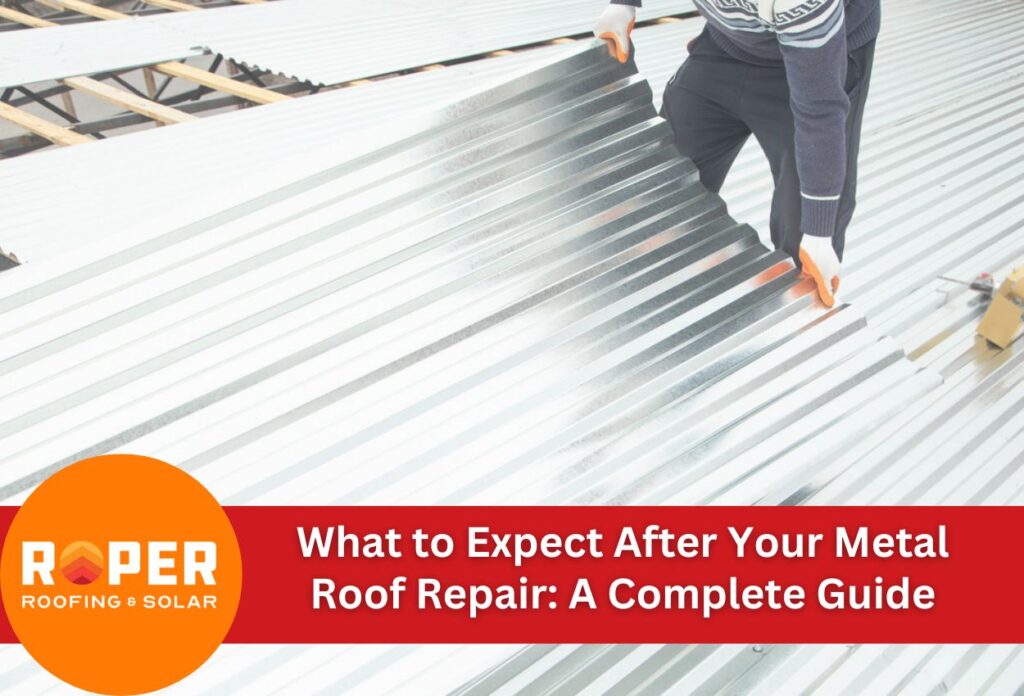
Once metal roof repairs are complete, a professional post-repair inspection is essential to verify the quality of the workmanship. This inspection should include a thorough examination of repaired seams, proper fastener installation, and secure flashing placement. Professionals will check that all penetrations are properly sealed, panels are correctly aligned, and that no debris remains on the roof’s surface that could cause future damage. They’ll also verify that water drainage paths remain unobstructed and that all repair materials match the existing roofing system.
As a homeowner, you can conduct your own visual assessment after the professionals leave. Check for consistent colors across repaired areas, even spacing between fasteners, and smooth transitions between old and new materials. Watch for signs of incomplete work such as loose metal edges, visible gaps in seams, or misaligned panels. During the next period of rainfall, check for any water intrusion around the repaired areas, as this indicates potential sealing problems.
Denver’s extreme weather conditions make proper post-repair inspections particularly critical. Metal roof repairs that aren’t properly completed can quickly break down when exposed to intense levels of UV radiation, the heavy weight of snow, and dramatic temperature fluctuations. By carefully evaluating the repair work, you help ensure your metal roof will provide the long-lasting protection your Colorado home needs while maximizing your investment in roof maintenance.
Understanding Your Roof Repair Warranty Coverage
After completing metal roof repairs on your Denver property, understanding warranty coverage that stems from your most recent project is essential for long-term peace of mind. Most metal roof repairs come with two distinct warranty types: manufacturer warranties and contractor workmanship guarantees. Manufacturer warranties typically cover the physical roofing materials against defects, corrosion, and premature deterioration, usually ranging from 10 to 50 years, depending on the manufacturer of the product. Workmanship guarantees come from the contractor who carried out your repairs, protecting you against installation errors and typically lasts 2 to 10 years.
Properly documenting your metal roof repair is a big part of maintaining warranty protection. Keep all invoices, contracts, warranty certificates, and material specifications in a dedicated folder. Take photos of the completed repairs for your records. Most importantly, register your warranty with both the manufacturer and contractor within the specified timeframe, usually 30 to 90 days after the work is complete. Many Colorado homeowners miss this critical step, potentially voiding their coverage.
If issues come up after the repair, contact your roofing contractor immediately with documentation ready. Describe the problem, provide photos, and reference your warranty information. Most reputable Denver contractors will inspect warranty-related concerns at no cost. Remember that regular maintenance is often required to keep warranties valid, including clearing debris and scheduling professional inspections following severe weather events.
Essential Maintenance Following Metal Roof Repairs
After investing in metal roof repairs for your Denver home, implementing a consistent maintenance routine is crucial to protect and extend the life of your investment. The first year following repairs requires special attention as the new materials fully integrate with your existing roof. During this period, schedule seasonal inspections that align with Colorado’s distinct weather patterns, such as spring checks, summer inspections, and fall preparation before winter weather returns.
For long-term protection, develop a maintenance calendar that includes regular gutter cleaning to prevent ice dam formation and issues with backed-up water common during Denver winters. Remove debris, especially from roof valleys and around penetrations where moisture can collect. In high wind areas, check for loose fasteners that may have worked free during Colorado’s unpredictable weather events. Apply appropriate metal roof sealants to vulnerable areas as recommended by your roofing professional in order to prevent corrosion along seams and joints.
Snow management becomes important for Denver homeowners with metal roofs. While metal roofs generally shed snow effectively, excessive accumulation during harsh storms can put stress on repaired areas. Consider installing snow guards above repaired sections to prevent dangerous snow slides. Regular maintenance not only preserves your repair investment but also helps identify minor issues before they require costly additional repairs, ensuring your metal roof continues protecting your home through Colorado’s challenging climate conditions.
Sealing and Weatherproofing Your Newly Repaired Metal Roof
Proper sealing and weatherproofing after metal roof repairs are critical steps that many Denver homeowners overlook. Once repairs are complete, your roofing contractor should apply specialized sealants designed to withstand Colorado’s extreme temperature swings, which can range from below-freezing winters to scorching summer days. Quality metal roof sealants create watertight barriers at seams, fasteners, and flashing details while remaining flexible enough to accommodate thermal expansion and contraction that metal roofs experience throughout our region’s dramatic seasonal changes.
For the best protection in our high-altitude climate, look for polyurethane or silicone-based sealants with UV-resistant properties. These products better withstand the intense amount of solar exposure common along the Front Range while maintaining adhesion during freeze-thaw cycles. Your contractor may recommend additional weatherproofing measures like applying protective coatings over repaired areas to match existing roof surfaces and provide an extra moisture barrier. These coatings can also help reflect solar heat, potentially improving your home’s energy efficiency during hot Colorado summers.
Pay special attention to weatherproofing around roof penetrations such as vents, skylights, and chimneys, as these areas remain the most vulnerable after repairs. Professional contractors will ensure these areas receive extra sealant and may install new flashing to direct water away from these critical zones.
Extend Your Metal Roof’s Lifespan After Repairs
Successfully extending the lifespan of your metal roof after repairs requires strategic protective measures specifically designed for Colorado’s unique weather patterns. The intense UV exposure at our higher elevations, frequent hailstorms, and heavy snow loads all threaten to undermine even the best repair work. That’s why smart Denver homeowners implement a comprehensive protection plan that includes applying specialized protective coatings to shield repaired areas from oxidation and UV damage. These coatings create a sacrificial layer that bears the full force of environmental wear instead of your metal panels.
Professional-grade treatments offer significant advantages for Colorado homes. Elastomeric coatings provide excellent waterproofing while remaining flexible during our extreme temperature fluctuations. Reflective coatings reduce heat absorption, potentially lowering cooling costs during summer months while reducing thermal stress on repaired sections. For areas particularly vulnerable to hail damage, impact-resistant coatings add an extra layer of protection against the severe storms that frequently hit the Denver metro area.
Regular professional inspections also play a crucial role in maximizing your roof’s longevity after repairs. These inspections can identify areas where protective treatments may need to be reapplied before problems develop. Many roofing contractors offer maintenance programs specifically designed for metal roofs in our region, with scheduled treatments timed to address seasonal wear patterns unique to Colorado’s climate. This proactive approach transforms your repair investment into decades of reliable protection for your home.
When to Schedule Follow-Up Professional Assessments
Knowing when to schedule follow-up professional assessments is key to ensuring any repairs made to your metal roof remain effective long-term. In Denver’s climate, we recommend scheduling your first post-repair inspection approximately 6 months after completion, ideally before winter weather arrives. Spring assessments are crucial after heavy snow seasons, as the freeze-thaw cycles common to Colorado can stress newly repaired areas. Additionally, schedule inspections after severe weather events like the hailstorms that frequently target the Front Range.
Denver’s unique seasonal patterns create specific timing considerations. Fall inspections help prepare your repaired roof for winter snow loads, while early summer evaluations can detect any damage from spring storms. Most reputable roofing contractors offer annual maintenance programs tailored to metal roofing systems that include these strategically timed assessments, often providing priority scheduling for previous customers.
Certain warning signs should prompt immediate professional evaluation regardless of your regular inspection schedule. These include visible rusting around repair areas, water stains on interior ceilings, loose or missing fasteners, unusual noises during temperature changes, or visible panel separation. While some minor settling is normal after repairs, persistent issues indicate potential problems that require you to act quickly. Early intervention on these warning signs can prevent minor issues from escalating into major repair needs, preserving both your roof and your investment.
Secure Your Home with Roper Roofing & Solar Post-Repair Services
Now that your metal roof has been expertly repaired, it’s crucial to maintain its condition and ensure it continues to protect your home against Denver’s harsh weather. Roper Roofing & Solar is committed to extending the lifespan of your roof investment, as we recommend scheduling a follow-up professional assessment to verify the quality of the repairs and address any potential concerns before they turn into major issues.
To guarantee your peace of mind, don’t hesitate to contact us for comprehensive maintenance services and expert advice on keeping your metal roof in good condition. Call Roper Roofing & Solar today at (720) 475-1065 to schedule your post-repair inspection and secure the lasting durability of your roof.