


The Best Roofing Materials for Colorado Climate: Weather-Resistant Options That Last
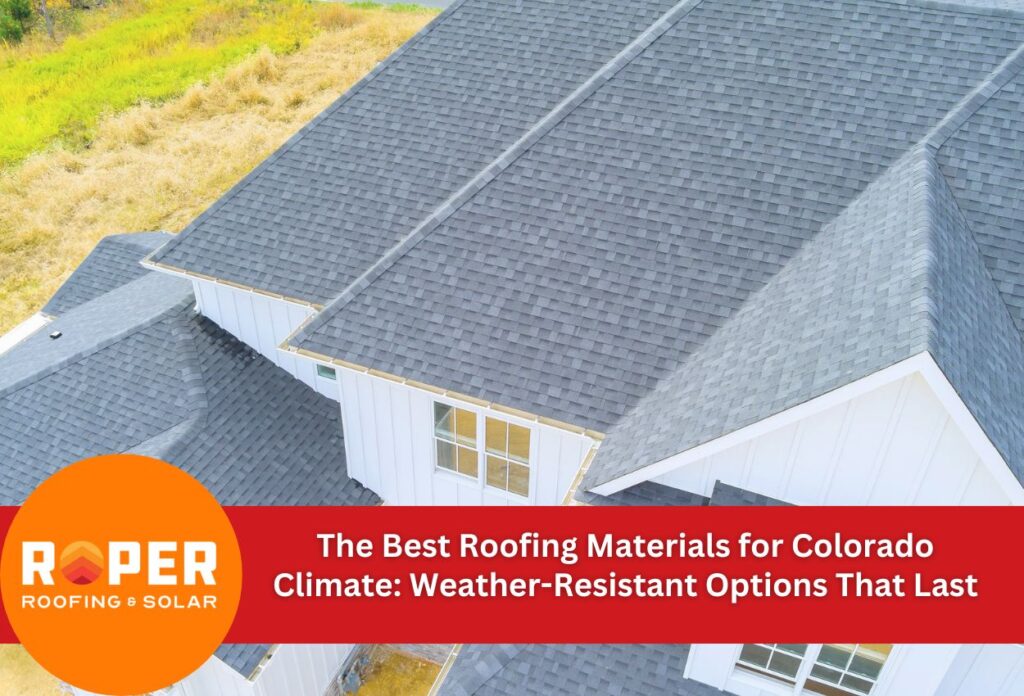
Colorado’s climate has challenges that need careful consideration when selecting roofing materials. The state’s weather patterns include dramatic temperature swings that can shift from scorching summer heat to freezing winters. Heavy snowfall creates substantial weight on roofs, while intense UV radiation at high altitude quickens material deterioration. Frequent hailstorms pose additional threats, with some areas experiencing baseball-sized hail that can devastate unprepared roofing systems.
These demanding conditions make choosing the best roofing materials for Colorado’s climate essential for protecting your home and investment. The wrong roofing choice can result in premature failure, expensive repairs, and increased energy bills. Colorado weather-resistant roofing materials must withstand temperature extremes, resist UV damage, handle heavy snow loads, and survive impact from hail.
Property owners who select appropriate hail and UV-resistant roofing materials benefit from reduced maintenance costs and improved energy efficiency. The snow load capacity of a roof becomes important during the winter when accumulated snow and ice create tremendous structural stress. Understanding how different materials perform under these specific conditions helps homeowners make informed decisions that provide long-term protection and value. Energy-efficient roofing materials also play a vital role in managing heating and cooling costs throughout Colorado’s varied seasons.
Metal Roofing Systems for Colorado’s Extreme Conditions
Metal roofing systems excel in Colorado’s environment by offering exceptional structural strength to handle heavy snow loads without compromising structural integrity. The smooth surface design prevents ice dams from forming while allowing snow to slide off naturally, reducing dangerous buildup that can damage gutters and fascia boards. These systems demonstrate resilience against hail impact, with many metal profiles earning Class 4 impact resistance ratings that satisfy insurance requirements for hail-resistant roofing materials.
Temperature fluctuations that stress other materials don’t cause as many issues with metal roofs. The expansion and contraction properties of modern metal systems accommodate Colorado’s dramatic weather shifts without cracking or warping. Metal roofing systems maintain their snow load capacity and performance throughout decades of freeze-thaw cycles that deteriorate conventional materials.
Energy-efficient options are another big advantage of metal roofing systems in Colorado’s climate. Reflective coatings on metal surfaces bounce solar radiation off their surface, reducing cooling needs during intense summer heat when UV exposure reaches extreme levels. This UV-resistant roofing solution reflects up to 70% of solar energy, substantially lowering air conditioning costs. The thermal properties of energy-efficient roofing materials like metal also provide insulation benefits that reduce heating expenses during the winter, making them among the best roofing materials for Colorado climate conditions.
Asphalt Shingles Engineered for Mountain State Weather
Modern asphalt shingles have evolved significantly to address harsh weather through specialized engineering and advanced material science. Impact-resistant asphalt shingles incorporate polymer-modified bitumen and have a reinforced mat construction to withstand hail damage that commonly affects Colorado properties. These hail-resistant roofing materials earn UL 2218 Class 3 and Class 4 ratings by surviving standardized impact tests that simulate severe hailstorms.
Premium asphalt shingles designed for Colorado weather-resistant roofing applications feature enhanced granule adhesion that prevents UV degradation at higher altitudes. The specialized ceramic granules contain reflective properties that combat intense solar radiation while maintaining color stability throughout extended exposure periods. These UV-resistant roofing solutions incorporate modified asphalt that remains flexible during temperature extremes, preventing cracks during rapid weather transitions.
The insulation properties of these asphalt shingles contribute to the performance of energy-efficient roofing materials through improved thermal barriers. Multi-layer construction creates air pockets that reduce heat transfer, helping maintain consistent indoor temperatures year-round. These energy-efficient roofing materials work with proper ventilation systems to minimize ice dam formation while reducing heating and cooling costs. Snow load capacity requirements are met through reinforced backing materials and proper installation techniques that distribute weight evenly across roof structures, making engineered asphalt shingles viable options among the best roofing materials for our area’s climate challenges.
Clay and Concrete Tiles Built to Last Decades
Clay and concrete tiles are another premium roofing solution that can withstand Colorado’s challenging high-altitude environment. These materials offer exceptional UV-resistance for homes due to their fired ceramic composition and mineral-based manufacturing processes. The dense structure of clay tiles naturally resists ultraviolet radiation degradation that rapidly deteriorates other roofing materials at high elevations, where solar intensity increases significantly.
The thermal mass of concrete and clay tiles provides superior temperature regulation, making them outstanding energy-efficient roofing materials. These tiles absorb heat during warm days and release it gradually, creating natural insulation that reduces heating and cooling costs throughout Colorado’s changing seasons. The thermal mass helps maintain consistent indoor temperatures despite extreme outdoor temperature fluctuations common across the state.
Concrete tiles specifically engineered for mountain climates can handle substantial snow accumulation while keeping their waterproofing properties. The interlocking design prevents wind uplift and creates secure attachment points that distribute weight effectively across the roof’s structure.
Freeze-thaw resistance makes tile roofing among the best roofing materials for Colorado’s climate. The low water absorption rates of properly manufactured clay and concrete tiles prevent moisture that causes damage during freeze-thaw cycles. This weather-resistant roofing solution maintains structural integrity through decades of seasonal temperature cycling while also acting as a hail-resistant roofing material, protecting your roof from impact damage.
Slate: The Ultimate Material for Weather Protection
Slate roofs deliver unmatched durability against Colorado’s most severe weather through their natural stone composition and exceptional density. The rock structure of slate creates an incredibly hard surface that withstands hail impact far better than conventional roofing materials. When baseball-sized hail strikes slate tiles, the stone’s inherent strength absorbs and disperses impact energy with minimal, if any, cracking or chipping, making it one of the most effective hail-resistant roofing materials available for Colorado properties.
The density of slate provides superior protection during intense thunderstorms that frequently develop across Colorado’s Front Range and mountain regions. Wind-driven rain cannot get in through the tight molecular structure of quality slate, while the material’s weight creates exceptional wind resistance that prevents uplift during severe storms. This weather-resistant roofing solution maintains its protective barrier even under extreme weather that compromises lighter materials.
Thermal properties of slate contribute significantly to energy-efficient benefits across Colorado’s diverse climate zones. The natural stone absorbs solar heat during sunny mountain days and releases it slowly during cool evenings, moderating indoor temperature fluctuations. This thermal mass effect reduces heating demands in winter while reflecting excess heat during summer. The performance of slate is versatile with Colorado’s different elevations, from communities experiencing temperature extremes to mountain locations where consistent insulation and wind protection matter most. These characteristics make slate one of the best roofing materials for Colorado’s climate.
Synthetic Materials Combining Performance with Value
Advanced synthetic roofing materials have revolutionized Colorado’s roofing industry by combining the curb appeal of traditional materials with enhanced performance characteristics. These polymer composite systems replicate the appearance of slate, wood shake, and tile while delivering hail-resistance at more accessible price points. Modern synthetic materials utilize recycled content and advanced manufacturing processes to create products that can outperform their natural counterparts in many different areas.
Polymer-based roofing systems demonstrate exceptional impact resistance through engineered flexibility that absorbs hail without fracturing. These roofing systems maintain their structural integrity during severe storms while protecting underlying roof structures from damage. The lightweight characteristics of synthetic materials reduce structural load requirements while providing higher snow load capacity and roofing performance comparable to heavier traditional materials.
Energy efficiency is a significant advantage of synthetic roofing options designed specifically for Colorado’s climate challenges. Advanced composite materials incorporate reflective pigments and thermal barrier properties that reduce heat absorption during intense summer months. These UV-resistant roofing Colorado solutions resist fading and degradation at high altitudes where solar radiation is a big issue. The insulation properties of multi-layer synthetic construction help maintain consistent indoor temperatures, reducing heating and cooling demands throughout Colorado’s seasons.
Making Your Final Material Decision
Selecting the best roofing material for Colorado requires careful evaluation of how different options perform under the state’s specific environmental stressors. Each type of material demonstrates specific advantages and limitations when subjected to heavy snow loads, hailstorms, UV exposure, and extreme temperature variations. Property owners must weigh durability ratings against maintenance requirements to see which solution provides the best long-term value for their specific situation.
Durability ratings for Colorado weather-resistant roofing materials vary significantly based on impact resistance, thermal cycling performance, and UV degradation resistance. Metal roofing systems can have a 30 to 50-year performance with minimal maintenance needs, while premium asphalt shingles provide reliable protection for about 20 to 30 years with moderate upkeep. Clay and concrete tiles deliver exceptional longevity, spanning 50 to 100 years, but need the underlayment to be occasionally inspected. Slate roofs provide 100 or more years of performance with virtually no maintenance, though initial installation complexity increases project requirements.
Geographic location within Colorado significantly influences material selection priorities. Properties in hail-prone corridors require maximum impact resistance, making Class 4-rated options essential investments. Mountain locations need superior weight capacity to handle heavy snowfall. High-altitude installations need enhanced UV-resistant roofing solutions to combat intense solar radiation. Energy-efficient roofing materials become particularly valuable in areas experiencing extreme temperature swings, where thermal performance directly impacts utility costs throughout the year.
Explore Top Roofing Solutions with Roper Roofing & Solar
Choosing the right roofing material is important for any homeowner in Colorado, given the state’s history of unpredictable weather. At Roper Roofing & Solar, we understand the challenges posed by Colorado’s climate and offer a range of roofing options tailored to withstand hail, heavy snow, and intense UV rays. Whether you’re considering metal, slate, or specially engineered asphalt shingles, our experts are here to guide you through the selection process to ensure your roof is durable, energy-efficient, and weather-resistant.
Call us today at (720) 475-1065 to discuss the best roofing materials for your Colorado home and to schedule a consultation. Let Roper Roofing & Solar help you make an informed decision that will protect your investment and enhance the comfort of your living space for decades to come.