

When Storm Damage Strikes Your Roof: Knowing If You Need Emergency Help
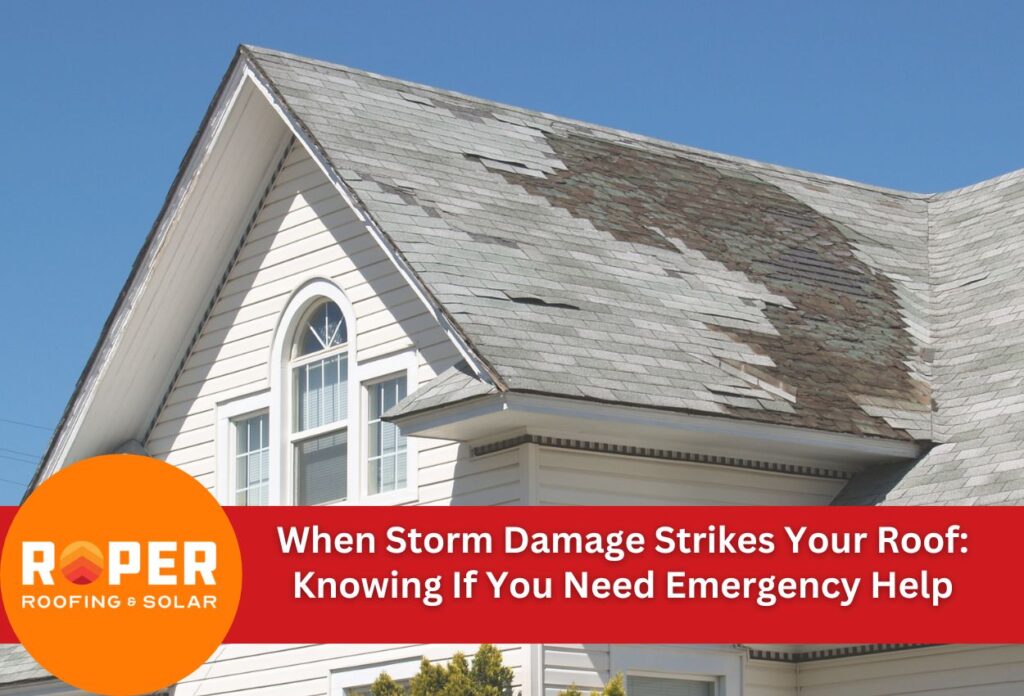
Storm damage can transform a minor roof issue into a major emergency within hours. When severe weather hits Denver, homeowners face critical decisions about whether immediate roof repairs are necessary or if the damage can wait. Understanding what constitutes a roofing emergency versus routine storm damage determines how quickly homeowners should act to protect their property and family.
Emergency roof repair signs include visible water intrusion, large sections of missing shingles, structural sagging, or exposed roof decking. These conditions require immediate attention because they allow leaks that can cause extensive interior damage, mold growth, and structural compromises. Wind damage roof inspections often reveal torn flashing, lifted shingles, or punctures from flying debris that may not be immediately obvious from ground level.
Roof leaks after a storm present the most urgent concern for homeowners. Even small leaks can quickly escalate into significant water damage affecting insulation, drywall, flooring, and personal belongings. Storm damage roof assessment helps homeowners distinguish between cosmetic damage and structural threats requiring emergency intervention.
Critical Warning Signs That Need Immediate Attention
Identifying when storm damage requires emergency repair versus routine maintenance can mean the difference between minor fixes and catastrophic property damage. Certain warning signs indicate immediate action is necessary to prevent further deterioration and protect the home’s interior structure.
External damage indicators visible from ground level include missing or displaced shingles, torn or lifted roofing materials, and debris puncturing the roof surface. Large sections of exposed underlayment or roof decking signal urgent repair needs, as these areas allow direct leaks. Damaged gutters, downspouts, or flashing around chimneys and vents also compromise the roof’s protective barrier against moisture intrusion.
Interior warning signs often provide the clearest evidence that emergency roof repair is needed. Water stains on ceilings or walls, active dripping, or pooling water indicate the roofing system has been compromised and requires immediate attention. Sagging ceiling areas suggest structural damage that could lead to collapse if left unaddressed. Unexplained increases in humidity levels or musty odors may signal hidden leaks requiring a professional storm damage roof assessment.
These emergency roof repair signs require swift action to prevent escalating damage. Even seemingly minor roof leaks after a storm can rapidly expand, causing extensive interior damage and creating conditions for mold growth that threaten both property value and occupant health. Temporary roof protection measures should be implemented immediately when these warning signs appear.
How to Safely Assess Storm Damage to Your Roof
Proper storm damage roof assessment begins with a systematic ground-level inspection that prioritizes homeowner safety while gathering essential information for insurance claims and professional evaluation. Never attempt to climb onto a damaged roof, as storm-compromised structures may be unstable and present serious injury risks.
Start the wind damage roof inspection by walking around the property’s perimeter, examining the roof from multiple angles. Look for obvious signs like missing shingles, damaged flashing, dented gutters, or debris embedded in roofing materials. Use binoculars to inspect higher areas and hard-to-see sections without climbing ladders or accessing dangerous positions.
Document everything with detailed photographs showing both wide shots of entire roof sections and close-up images of specific damage areas. Include reference points like nearby trees or structures to provide scale and context for insurance adjusters. Take notes describing the extent of visible damage, approximate sizes of affected areas, and any emergency roof repair signs requiring immediate attention.
Interior inspection provides crucial evidence of roof compromise. Check attic spaces for water stains, dampness, or visible daylight coming through damaged areas. Examine ceilings throughout the house for discoloration, sagging, or active roof leaks after a storm. Document interior damage with photographs and detailed descriptions linking interior problems to exterior roof damage.
The Hidden Dangers of Waiting to Address Storm Damage
Delaying repairs after storm damage creates a cascade of problems that multiply rapidly, turning manageable issues into extensive structural damage. What appears as minor roof damage initially can compromise the entire home’s integrity within days or weeks, especially when leaks occur.
Small roof leaks after a storm allow water to seep into insulation, wooden framing, and interior spaces, where it causes rot, mold growth, and structural weakening. Emergency roof repair signs that seem insignificant often indicate larger underlying problems that worsen with each passing day. Water damage spreads beyond the initial leak point, affecting electrical systems, flooring, and personal belongings throughout the home.
A storm damage roof assessment reveals that postponed repairs frequently result in secondary damage. Roof inspections after wind damage show how loose or damaged shingles create entry points for moisture, allowing water to penetrate deeper into the roof system. Without temporary roof protection measures, even brief rain showers can cause extensive interior damage to previously unaffected areas.
Health risks develop quickly when compromised roofs allow moisture accumulation. Mold spores begin growing within 24 to 48 hours in damp conditions, creating respiratory hazards and allergic reactions for occupants. Structural instability from water-damaged support beams poses serious safety threats that emergency roof repair could have prevented with prompt attention.
Addressing storm damage immediately prevents these escalating problems and protects both property value and occupant safety from deteriorating conditions.
Immediate Steps to Protect Your Home After Storm Damage
Taking swift protective action after storm damage can prevent thousands of dollars in additional repairs while maintaining safety until professional help arrives. Homeowners should focus on emergency measures that stop further water intrusion and secure loose materials without putting themselves at risk.
A few things should happen quickly to reduce the amount of damage that is done to your home:
- Move valuable items and furniture away from active leaks.
- Place buckets or tarps to collect dripping water.
- Remove standing water immediately to prevent it from seeping into the flooring or spreading to unaffected areas.
For accessible areas showing signs needing an emergency roof repair, carefully install temporary roof protection measures like heavy-duty tarps secured with sandbags or rope. Never climb onto wet or damaged roofing surfaces, as they present serious fall hazards. Instead, focus on interior protection by covering exposed areas with plastic sheeting to redirect water flow away from furniture and belongings.
Contact emergency services immediately if structural sagging, exposed electrical wires, or gas line damage accompany the roof damage. Document all emergency measures taken with photographs for insurance purposes, including timestamps showing when protective actions were implemented.
Professional Storm Damage Inspection: What to Expect
Professional roofing contractors bring specialized expertise and equipment to storm damage roof assessment that reveals problems homeowners typically cannot detect during initial evaluations. Experienced inspectors identify subtle signs of wind and hail damage that may not manifest as visible leaks or obvious structural issues immediately after a storm.
Contractors use advanced tools like moisture meters, thermal imaging cameras, and drones to detect hidden damage within roofing systems. These instruments reveal compromised areas where a leak has begun but hasn’t yet caused visible interior damage. Professional roof inspections include examining granule loss on shingles, checking for micro-fractures in roofing materials, and assessing the integrity of underlayment layers that protect against moisture intrusion.
The inspection process typically takes between 2 to 4 hours, depending on the roof size and the extent of the damage. Contractors evaluate both immediate emergency roof repair signs and potential problems that could develop over time. They assess whether temporary roof protection measures are sufficient or if urgent repairs are necessary to prevent further deterioration.
Professional inspectors determine repair priority by examining structural integrity, leak risks, and weather exposure factors. They identify which roof leaks after a storm require immediate attention versus damage that can wait for scheduled repairs. This professional storm damage roof assessment provides homeowners with clear timelines and priority levels for addressing different types of damage, ensuring the most critical issues receive prompt attention while less urgent repairs are properly planned.
Making the Right Decision: Emergency Repair vs. Scheduled Maintenance
Determining whether storm damage requires emergency intervention or can wait for scheduled repairs depends on several critical factors that affect both property safety and repair costs. The decision hinges on damage severity, weather exposure, and the potential for rapid deterioration if repairs are delayed.
Active water intrusion represents the primary factor requiring emergency roof repair. A storm damage roof assessment can reveal that any compromised area allowing leaks needs immediate attention, regardless of the size of the leak or its location. Emergency roof repair signs include visible water entry, structural instability, or exposed roof decking that threatens the home’s weather barrier. Roof inspections after wind damage often uncover lifted materials or torn flashing that may not leak immediately, but create vulnerability during subsequent weather events.
Scheduled maintenance becomes appropriate when damage affects only surface materials without compromising the underlying protective barrier. However, temporary roof protection measures should still be implemented to prevent minor damage from escalating during weather exposure.
Weather forecasts play a crucial role in timing decisions. Approaching storms or seasonal weather patterns may elevate seemingly minor damage to an emergency status. Professional contractors evaluate roof leaks after a storm within the context of expected weather conditions, ensuring repairs address both current damage and future weather resistance requirements for optimal home protection.
Denver’s Top Choice for Emergency Roof Repairs: Roper Roofing & Solar
When your home suffers from storm damage, it’s crucial to address any roofing concerns immediately to prevent further structural damage and protect your family. Visible signs such as missing shingles or interior leaks are clear indicators that your roof may require emergency repairs. If you’re facing any of these issues, it’s essential to act swiftly to reduce the risks of escalating repair costs and potential safety hazards.
Roper Roofing & Solar specializes in quickly assessing and repairing storm-damaged roofs in Denver. Our experienced team is equipped to handle all types of roofing emergencies, ensuring your home remains safe and secure. Don’t wait until it’s too late; if you suspect your roof has been compromised, call us immediately at (720) 475-1065 for a professional inspection and urgent repair services. Your safety is our priority, and we’re here to help restore your roof promptly.