


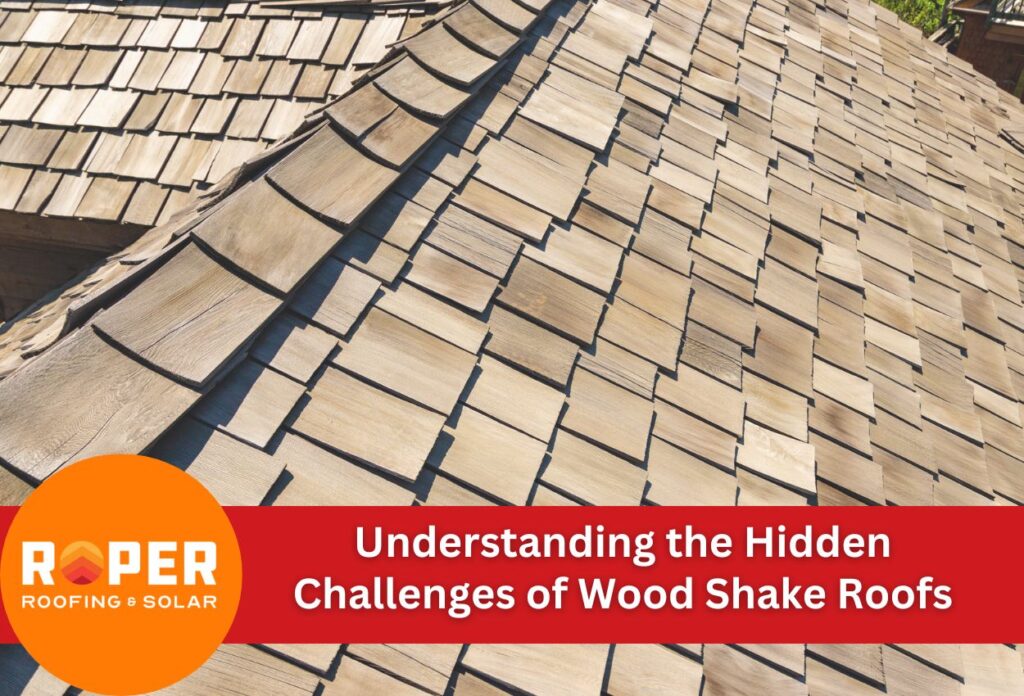
Key Points:
- Wood shake roofs face significant problems including rapid weather deterioration, serious fire risks, and damaging pest infestations.
- They demand extensive, consistent maintenance and are highly susceptible to moisture retention, leading to rot and mold growth.
- These inherent challenges often lead to expensive repairs or premature replacement, impacting overall home value and safety.
Wood shake roofs continue to attract homeowners with their natural beauty and rustic charm, creating an appealing look that complements both traditional and contemporary home designs. However, wood shake roof maintenance requirements and their disadvantages often remain overlooked during the initial selection process, leading to unexpected complications down the road.
Wood shake roof problems typically emerge gradually, starting with minor weathering issues that can turn into significant structural concerns. Shake roof fire hazards pose serious safety risks, while natural weathering creates ongoing maintenance demands that many property owners underestimate.
These natural roofing materials face constant exposure to environmental elements, creating conditions where moisture infiltration, pest infestations, and accelerated deterioration become inevitable challenges. Understanding these potential complications helps homeowners make informed decisions about roof installation, maintenance schedules, and long-term property protection strategies.
Weather-Related Deterioration and Its Long-Term Effects
Denver’s high-altitude climate creates particularly harsh conditions for wood shake roofs, where intense UV radiation, dramatic temperature fluctuations, and moisture cycles accelerate the deterioration process. The combination of over 250 sunny days annually and elevation-related UV exposure causes wood fibers to break down rapidly, leading to surface cracking and structural weaknesses that compromises the roof’s protective capabilities.
Freeze-thaw cycles present significant challenges for cedar shake roof maintenance, as moisture penetrates wood pores during warmer periods and expands when temperatures drop below freezing. This repeated expansion and contraction creates splitting, warping, and cupping that allows water infiltration into underlying structures. Issues show themselves at this time through visible signs including gray discoloration, raised grain patterns, and loose or missing shakes.
These weather-induced problems build up over time, creating cascading effects where initial surface damage progresses to structural deterioration. Cracked shakes allow moisture to enter that promotes rot, while warped materials create gaps that compromise the roof’s weather-tight seal.
Fire Safety Concerns and Reducing Risk
The fire hazards that wood-shake roofs can pose is one of the most serious problems, particularly in wildfire-prone regions where ember exposure creates significant safety risks. Untreated wood shakes receive Class C fire ratings, the lowest classification available, while treated wood shakes achieve Class B ratings with added fire resistance properties.
These treatments involve chemical applications that reduce the potential for the shakes to ignite and slow the rate of flames spreading across a surface. flame spread rates. These treatments require periodic reapplication as part of comprehensive cedar shake roof maintenance programs, adding to the long-term costs associated with wood roofing systems.
Building codes increasingly restrict untreated wood shake installations in high-risk fire zones, requiring either fire-resistant treatments or alternative roofing materials that meet specific safety standards. The combination of shake roof fire hazards and evolving safety regulations creates compliance challenges for property owners considering wood shake installations.
The disadvantage of wood shakes extends beyond initial fire ratings to include the risk of ember spread due to debris collecting in gaps between shakes and creating additional ignition sources. Understanding these fire safety limitations helps homeowners evaluate whether wood shake roofs align with their property protection priorities and local safety requirements.
Pest Infestations and Structural Damage
Wood shake roofs attract various pests that cause extensive structural damage through boring, nesting, and feeding activities. Carpenter ants represent one of the most destructive threats, creating tunnels through moisture-damaged wood shakes while establishing colonies that expand throughout the roofing system. These insects prefer softened wood fibers found in weathered or water-damaged areas, making poorly maintained cedar shake roofs particularly vulnerable to infestation.
Termites pose equally serious risks to wood shake roofing systems, consuming cellulose fibers within the wood structure and compromising the structural integrity of individual shakes and underlying support materials. Insect damage along shake roofs from termites often goes undetected until significant deterioration occurs, as these pests work internally while leaving exterior surfaces relatively intact.
Woodpeckers create additional challenges by drilling holes in wood shakes while searching for insects or creating nesting cavities. These birds target areas where carpenter ants or other insects have established colonies, creating larger openings that allow moisture to enter and accelerate wood rot.
The interconnected nature of these wood shake roofing problems means that pest damage spreads rapidly through roofing systems once established. Initial insect infestations weaken wood fibers, creating conditions that attract additional pests while compromising the roof’s ability to shed water effectively and protect underlying structures from weather-related damage.
Maintenance Requirements That Many Homeowners Overlook
Cedar shake roof maintenance demands consistent attention to prevent minor issues from developing into major problems. Regular inspections should occur twice a year, focusing on loose or damaged shakes, moss growth, and debris accumulation in valleys and gutters.
Professional cleaning services address moss and algae growth that retains moisture against wooden surfaces, creating conditions that promote rot and attract insects. Power washing requires specialized techniques to avoid damage, while chemical treatments help prevent biological growth without compromising wood integrity. These preventive measures significantly extend roof lifespan when performed consistently.
Preventing damage from pests along wood shake roofs involves regularly applying protective treatments and conducting quick repairs of damaged areas where pests typically establish colonies. Wooden roof weathering issues require periodic staining or sealing to maintain water resistance and UV protection. Many homeowners attempt these tasks independently but lack the expertise to identify early warning signs of structural problems or apply treatments effectively, making professional maintenance services essential for long-term roof performance and protection.
Moisture Issues and Mold Development
Wood shake roofs create environments where leaks become a persistent problem, leading to various complications that affect both structural integrity and indoor air quality. The porous nature of wooden materials allows water absorption during rain events and snow melt, while the natural gaps between shakes provide additional pathways for moisture infiltration into underlying roof systems.
Maintenance becomes critical when addressing moisture-related deterioration, as trapped water promotes wood rot that weakens individual shakes and compromises their protective capabilities. This retained moisture creates ideal conditions for mold growth, which spreads rapidly through organic wood fibers and surrounding insulation materials, reducing thermal efficiency and creating health concerns for building occupants.
Ventilation problems unique to wood shake roofing systems make these moisture issues worse. The irregular surface created by overlapping shakes disrupts proper airflow, preventing adequate moisture evacuation from roof cavities and attic spaces. Poor ventilation traps humid air against wooden surfaces, accelerating the development of mold while increasing energy costs as HVAC systems work harder to maintain comfortable indoor temperatures.
These wood shake roofing problems create ongoing effects where a decrease in insulation effectiveness leads to higher heating and cooling expenses, while mold spores circulate through ventilation systems and compromise indoor air quality throughout the building.
Making Informed Decisions About Wood Shake Roof Replacement
Determining whether or not to replace a wood shake roof with a better material requires careful evaluation of the damage and associated costs to fix it. Minor issues like isolated shake replacement or moss removal are inexpensive to fix while widespread pest damage or significant weathering issues often justify complete replacement. Professional assessment helps identify whether problems affect isolated areas or indicate systemic failure throughout the roofing system.
Wood shingle roof disadvantages become more pronounced as damage accumulates, making replacement the preferred option when repair costs approach 50% of replacement value. Shake roof fire hazards and ongoing maintenance requirements should factor into long-term financial planning, as alternative materials often provide better value over time.
Qualified roofing contractors provide essential expertise in evaluating wood shake roofing problems and recommending appropriate solutions. These professionals can assess structural integrity, identify hidden damage, and explain alternative roofing materials that address fire safety concerns and reduce maintenance demands.
Expert Solutions for Wood Shake Roofing Problems in Denver
If you’re experiencing issues with your wood shake roof, don’t wait for the problems to become worse. Wood shake roofs, while aesthetically appealing, can face a range of challenges, particularly in Denver’s unique climate. From weather-related deterioration such as cracking and warping due to UV damage and moisture, to increased fire risks and pest infestations, these issues can significantly impact the integrity and safety of your roof.
Roper Roofing & Solar specializes in addressing and resolving wood shake problems, replacing them to ensure your roof remains in top condition while enhancing your home’s safety and value. Don’t let minor issues turn into major expenses. Call us today at (720) 475-1065 to schedule a comprehensive roof inspection and consultation. Protect your home with the help of Denver’s trusted roofing experts at Roper Roofing & Solar.