


Multi Family Roofing in Boulder, CO
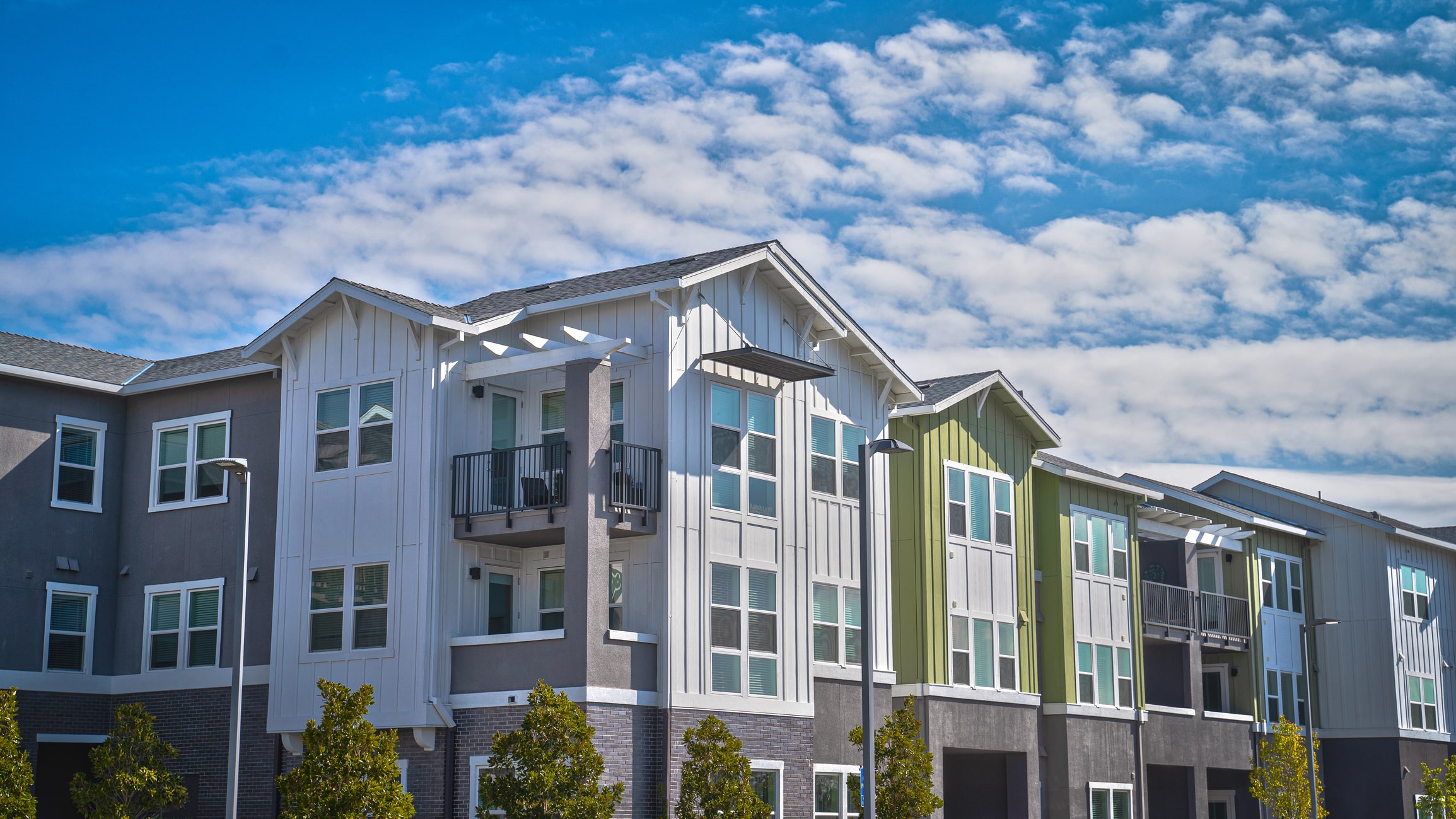
Boulder’s mountain weather patterns create serious challenges for apartment complexes and multi-unit properties. Frequent summer thunderstorms bring hail that damages shingles, wind gusts over 60 mph that lift roofing materials, and intense high-altitude UV exposure that accelerates deterioration. Roughly three quarters of Boulder’s new residential construction consists of multi-family housing, with properties ranging from small multiplexes to large complexes with 500 units or more. Many of these buildings, particularly the aging inventory from the 1960s through 1980s, have roofs over 20 years old showing granule loss, UV damage, and increasing vulnerability to wind-driven debris. The wildland-urban interface fire safety requirements add another layer of complexity, with local codes requiring Class A fire-rated materials for properties near Boulder’s mountainous borders. When multi-family roofs fail under these conditions, property managers face not only expensive repairs but also tenant complaints, potential vacancy issues, and liability concerns.
Professional multi-family roofing addresses these unique demands with systems built to withstand Boulder’s specific weather conditions while minimizing disruption to tenants and rental operations. Roper Roofing & Solar understands both the climate challenges and the property management priorities that matter most to Boulder building owners: durable installations that protect your investment, efficient project phasing that keeps tenants comfortable, and reliable performance that reduces long-term maintenance costs across your entire portfolio.
Our Multi Family Roofing Process in Boulder, CO
Property managers need clarity on how a roofing project will unfold across multiple buildings without disrupting tenants or operations. Our structured process removes uncertainty and keeps your project on schedule.
- Step 1: Existing Condition Inspection
We evaluate the current roof system across all buildings in your complex, documenting granule loss, seam integrity, flashing conditions, and UV degradation. Our inspection focuses on the specific damage patterns caused by Boulder’s high-altitude exposure and identifies which buildings need immediate attention versus those that can wait. - Step 2: Honest Recommendation
We provide a transparent evaluation of repair versus replacement options for each building. If targeted repairs can extend your roof’s service life by several years, we’ll explain that option even when replacement would generate more revenue for us. You’ll understand exactly why some aging roofs warrant full replacement while others don’t. - Step 3: Options, Materials, and Quote
We present roofing systems with enhanced wind and hail resistance, superior UV protection, and Class A fire ratings that meet wildland-urban interface requirements. For large complexes, we develop phased replacement schedules that minimize tenant disruption during peak rental seasons and allow you to budget the project across multiple fiscal periods. - Step 4: Professional Installation
We coordinate execution from late spring through early fall to avoid heavy snow and winter freezes. Property managers and tenants receive clear communication about timelines, noise expectations, and parking adjustments throughout the installation. - Step 5: Quality Verification and Walkthrough
Before final sign-off, we conduct a complete inspection of seams, flashing on taller buildings, and all wind and hail resistant features. You receive documentation of the completed work for your property records.
Replacement vs. Repair for Multi Family Properties in Boulder, CO
Deciding between full replacement and targeted repairs depends on your property’s age, building count, and exposure to Boulder’s mountain weather. Older complexes from the 1960s through 1980s often face granule loss and UV degradation that make replacement more practical than ongoing repairs. Newer properties with isolated damage may only need flashing work or seam reinforcement.
| Consideration | Full Replacement | Targeted Repairs |
|---|---|---|
| Best For | Roofs over 20 years old with widespread granule loss, multiple leaks, or wind-damaged seams across several buildings | Roofs under 15 years old with isolated flashing failures, localized hail damage, or minor seam separations on one or two buildings |
| Material Options | Enhanced wind and hail resistant systems with superior UV protection, Class A fire ratings for wildland-urban interface properties | Matching existing materials for flashing, seam reinforcement, or small section replacement to maintain warranty coverage |
| Timing Window | Late spring through early fall to avoid heavy snow and winter freezes, with phased scheduling for 100+ unit properties during lower vacancy periods | More flexible scheduling year-round except during winter freezes, completed quickly to minimize tenant disruption |
| Tenant Impact | Requires coordination for noise, parking, and access over several weeks, best phased by building to reduce inconvenience during peak rental seasons | Limited disruption, often completed in days rather than weeks, minimal impact on daily operations |
Protecting Your Multi Family Investment in Boulder, CO
Managing apartment complexes and multi-unit properties means making decisions that balance long-term durability with immediate operational needs. Boulder’s combination of severe hail, damaging winds, and relentless UV exposure requires roofing systems that perform reliably year after year without constant maintenance. Property managers who address aging roofs proactively avoid emergency repairs during winter storms, reduce tenant complaints about leaks, and maintain occupancy rates without weather-related disruptions. Scheduling installation from late spring through early fall ensures work happens during ideal conditions while avoiding Boulder’s heavy snow season.
Roper Roofing & Solar helps Boulder property owners protect their investment with roofing solutions built for mountain Front Range conditions. When you’re ready to discuss your multi-family property, reach out to schedule an inspection and receive an honest evaluation of your options.
Frequently Asked Questions
Got questions about your roof? We’ve got answers. From maintenance tips to insurance claims and repair timelines, our FAQ section covers the most common concerns homeowners have. Get informed and make confident decisions about protecting your home.
How long does a typical multi-family roofing project take in Boulder?
Project duration depends on building count and size, but most multi-family replacements take 2 to 6 weeks from start to finish. Smaller complexes with 20 to 40 units can often be completed in under two weeks, while larger properties with 100+ units require phased scheduling to manage tenant impact. Weather delays from afternoon thunderstorms during summer can add time, so we build buffer days into the schedule.
What factors influence the cost of replacing a multi-family roof in Boulder?
Building count, total square footage, roof pitch, and height are the primary pricing factors. Properties requiring Class A fire-rated materials due to wildland-urban interface location carry higher material costs, as do roofs needing enhanced hail resistance or additional underlayment for wind protection. Access challenges on taller buildings and the need for phased work to minimize tenant disruption can also affect overall project cost.
How should property managers prepare tenants for a roofing project?
Give tenants at least two weeks’ advance notice about start dates, expected noise levels, parking restrictions, and satellite dish disruptions. Inform them that vibrations from tear-off work may shake walls and recommend securing wall hangings, and remind them to keep windows closed during installation days to prevent dust entry. Clear communication about which buildings are affected each week helps tenants plan around the work schedule.