

Key Points About TPO Roof Coating
- Mastering the TPO roof coating application process involves meticulous surface preparation, precise coating techniques, and understanding curing conditions for optimal results.
- Selecting the right TPO coating material and thoroughly preparing the roof’s surface are critical steps for ensuring strong adhesion and long-lasting protection.
- Successful TPO coating application requires appropriate tools, careful management of environmental factors, and consistent quality control for durability.
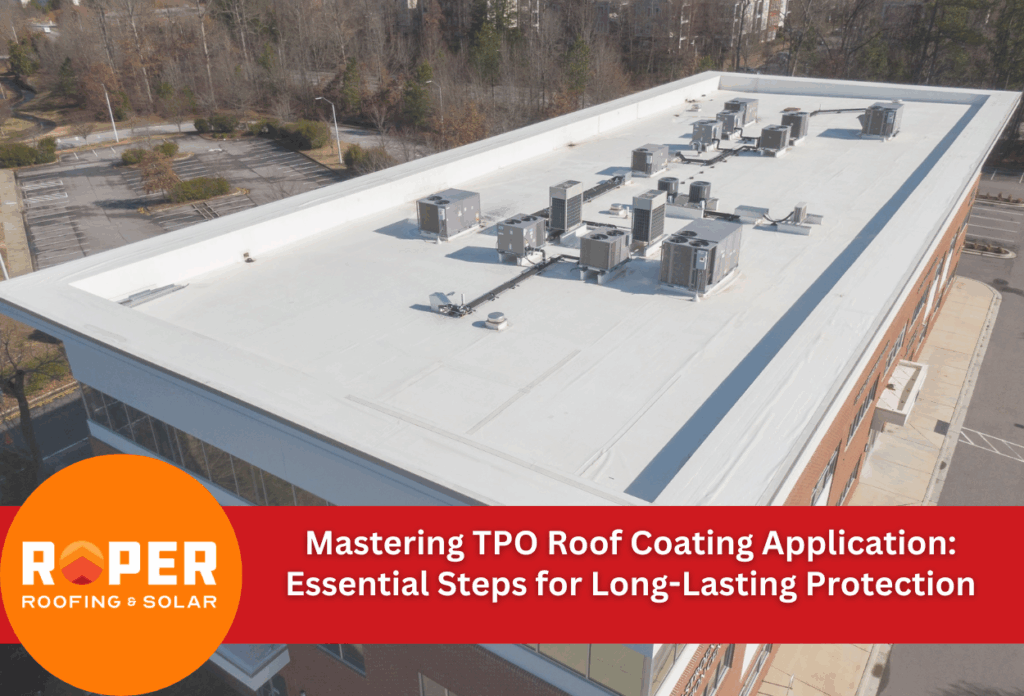
The TPO coating process requires precise execution and attention to detail to achieve the best possible results for commercial and residential properties. This specialized membrane coating system provides exceptional weather resistance and extends the lifespan of the roof when applied correctly using proven techniques and proper preparation methods.
Understanding the different types of TPO roof coatings available helps property owners select the most suitable option for their specific roofing needs. TPO roof coatings are commonly applied over existing TPO membranes to enhance UV resistance and weather durability when the underlying membrane remains structurally sound.
The benefits of coating a TPO membrane go beyond basic weather protection, delivering an improvement in energy efficiency through reflective properties that reduce cooling costs. Successful application depends on thorough preparation, including surface cleaning, primer application, and using specialized roof coating tools designed for membrane installation.
Choosing the Right TPO Coating Material for Your Project
Selecting the right type of TPO roof coating materials depends on the condition of the existing roof, its exposure to the climate, and performance requirements. Acrylic roof coatings are sometimes applied over properly prepared TPO membranes due to their ease of application and performance in moderate climate conditions. Polyurethane options deliver enhanced durability for high-traffic areas and severe weather exposure.
Coating thickness directly impacts the longevity and level of protection, with standard applications ranging from 20 to 40 mils depending on substrate conditions. Reflectivity ratings influence energy efficiency, with higher solar reflectance values reducing cooling needs and extending the life of the membrane.
Environmental factors are important to consider when selecting materials, including average rainfall, temperature extremes, and UV intensity levels. Aged or weathered TPO membranes may require specialized primers or thicker coatings to achieve proper adhesion and performance.
Preparing Your Roofing Surface
The process of applying a TPO roof coating directly impacts the long-term performance of the coating. The preparation for a coating application begins with thorough debris removal, eliminating leaves, dirt, and loose materials that can create issues for the adhesion of the material. Power washing can effectively remove accumulated grime, mold, and surface contaminants using appropriate pressure settings that clean without damaging the existing membrane.
Oil stains and chemical residues require specialized cleaning agents designed for TPO surfaces to ensure they are completely removed before the coating is applied. These contaminants significantly compromise the bond between the membrane and the coating, leading to premature failure and reduced protection. Professional roof coating tools include specialized brushes, solvents, and cleaning equipment that address stubborn stains without harming the substrate.
Surface inspections can reveal damage to the membrane, loose seams, and irregularities requiring repair before the coating can be applied. Small punctures, torn sections, and lifted seams must be properly patched and sealed to prevent leaks and coating delamination. Addressing these issues during preparation maximizes the benefits of TPO membrane coatings and prevents future failure points that compromise system integrity and performance.
Essential Tools and Equipment for Professional TPO Coating Application
The professional TPO roof coating application process requires specialized roof coating application tools that ensure uniform coverage and proper mil thickness across varying roofing surfaces. High-quality brushes with synthetic bristles provide excellent control for detail work around gaps and edges, while rollers apply the coating in a consistent pattern on larger membrane areas. Spray equipment offers the most efficient coverage for extensive commercial installations, requiring proper calibration to maintain consistent coating thickness.
Achieving the best results with different types of TPO roof coatings depends on selecting the appropriate application methods for specific coating formulas. Acrylic-based coatings typically work best with rollers, while silicone may require specialized spray equipment to prevent application difficulties. After applying, mil thickness gauges and wet film thickness tools help maintain proper coverage rates that maximize the benefits of a TPO membrane coating.
Safety equipment represents a critical component of a professional installation, including OSHA-compliant protection systems to reduce the chance of falling, non-slip footwear, and respiratory protection when working with coating materials.
Application Techniques for Even Coverage
Achieving uniform coverage during the TPO roof coating application process requires mixing procedures and precise application techniques. Thorough material mixing ensures consistent coating properties, using mechanical agitators or paddle mixers to blend components according to the manufacturer’s specifications. Proper mixing eliminates color variations and maintains the coating viscosity that supports smooth, even distribution across membrane surfaces.
Maintaining wet edges prevents visible lap marks and ensures seamless coating distribution by working in manageable sections that allow proper overlap before the material begins curing. Working from low points toward high areas prevents the coating from accumulating in valleys and helps distribute the thickness of the material evenly.
Application technique varies among different types of TPO roof coatings, with spray methods requiring consistent speed and distance to prevent streaking or thin spots, and roller applications requiring consistent pressure to avoid coating buildup or insufficient coverage. Back-rolling sprayed coatings can improve the adhesion of the product and eliminate surface irregularities, and managing challenging areas such as roof gaps, seams, and edges requires additional coating layers applied with specialized tools designed for precise work.
Curing Time and Environmental Factors That Affect Results
The curing time for a TPO coating depends heavily on temperature, humidity, and air circulation conditions during and after the application. Curing requirements depend on manufacturer specifications, with most products requiring application within defined temperature ranges and humidity conditions to ensure proper adhesion. Higher temperatures accelerate the curing process, while cooler conditions extend curing times significantly, potentially requiring 72 hours or longer for complete adhesion and membrane development.
Humidity levels directly impact the performance of the coating, with excessive moisture in the air causing surface blistering, poor adhesion, and extended curing periods. Wind speed can affect the evaporation rate of the solvent, with moderate winds not harming the curing process, while excessive wind can cause rapid drying and could make the material not set properly. Morning dew and unexpected precipitation during curing can compromise the structural integrity of the coating and require complete reapplication of the affected areas.
Signs of proper curing include a uniform surface appearance, complete adhesion without lifting edges, and resistance to light finger pressure after the manufacturer’s recommended curing time. Blistering, soft spots, or tacky surfaces indicate incomplete curing or application problems requiring professional assessment.
Quality Control and Maintenance for Long-Term Performance
Visual inspection identifies missed spots, thin areas, and application defects that compromise the effectiveness of the coating and long-term protection. Professional inspectors use mil thickness gauges to confirm proper coverage rates across the entire surface of the membrane, documenting results for warranty validation and performance tracking.
Inspections include checking the seam’s structural integrity at its edges, where coating failures commonly occur first. Testing the adhesion at multiple locations verifies proper bond strength, ensuring the benefits of TPO membrane coatings achieve expected performance levels.
Establishing regular maintenance schedules maximizes the coating and extends membrane protection beyond standard warranty periods. Annual inspections identify early signs of coating degradation, including chalking, cracking, or wear patterns that indicate recoating needs. Addressing minor issues promptly prevents extensive damage requiring complete roof replacement, maintaining the energy efficiency and weather resistance that different types of TPO roof coatings provide through proper maintenance protocols.
Ensure Your Roof’s Longevity with Roper Roofing & Solar
Mastering the TPO roof coating application process is essential for enhancing the durability and efficiency of your roofing system. At Roper Roofing & Solar, we specialize in applying high-quality TPO coatings that provide superior weather resistance and longevity. Our expert team is equipped to handle every phase of the application process, from initial roof preparation to the final quality control checks, ensuring that your roof is well-protected against Denver’s unique climate challenges.
Call us today at (720) 475-1065 for a consultation and see how our skilled professionals can help you achieve the best results for your roofing project. Protect your investment with the right expertise and the best materials in the industry.