

Avoiding Roof Repair Scams: Protecting Your Home and Wallet
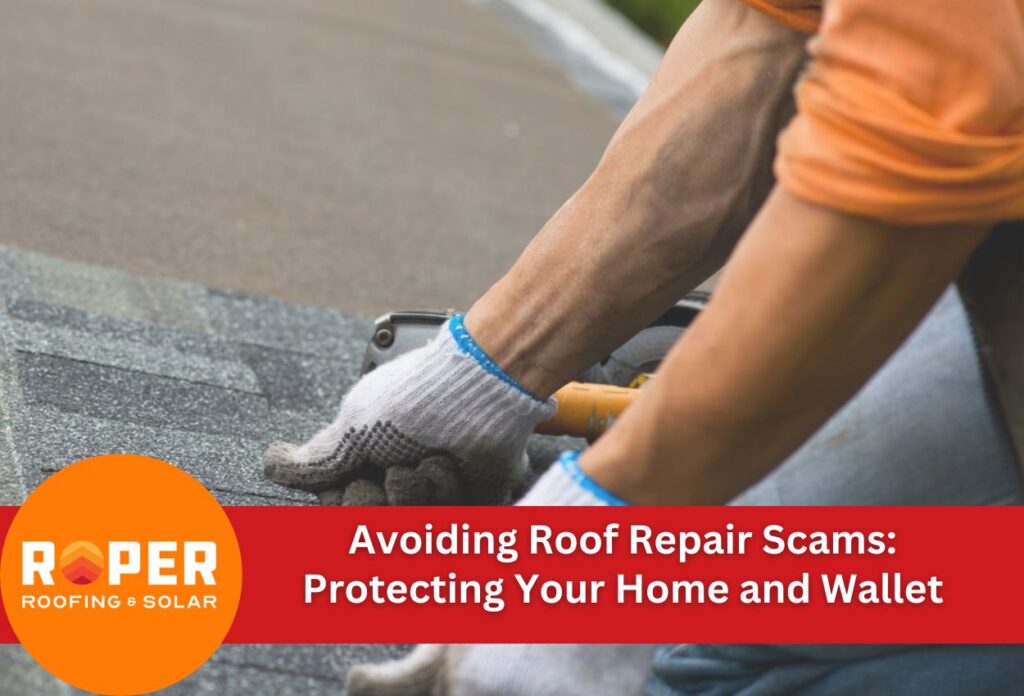
Denver homeowners face a persistent threat that arrives along with destructive storms: roof repair scams. After severe weather events sweep through Colorado’s Front Range, neighborhoods often see an influx of so-called storm chasers, who are unethical individuals posing as legitimate roofing contractors. These scammers target vulnerable homeowners dealing with roof damage, promising quick repairs while delivering work that is way below quality, if they complete any work at all.
The consequences of falling victim to these fraudulent operations extend beyond financial loss. Improper roof repairs can ruin your home’s structural integrity, lead to water damage, and create safety hazards for your family. Many Denver residents have reported paying thousands of dollars for roofing work that actually decreased their home’s value and required legitimate contractors to fix the resulting damage.
Spotting fake roofing contractors requires vigilance and knowledge about how reputable Denver roofing companies operate. From unsolicited door knocking to high-pressure sales tactics, warning signs of roofing scams are often visible before any contracts are signed. Protecting yourself starts with understanding these red flags and knowing the right questions to ask before hiring roof repair services.
Red Flags: How to Identify Potential Roofing Scammers at Your Doorstep
After a severe hailstorm or wind event hits Denver, homeowners should be wary of unexpected visitors offering roof inspections or repair services. Legitimate roofing contractors typically don’t go door-to-door soliciting business. If someone appears unannounced, claiming your roof needs immediate attention, this should trigger caution.
Watch for high-pressure tactics like “today-only” discounts, demands for large upfront cash payments, or contractors who state they can start immediately. Reputable Denver roofing companies provide detailed written estimates, allow time for decision-making, and follow established business practices, including proper contracts and reasonable payment schedules.
Legitimate contractors will readily present their credentials, including a valid Colorado contractor’s license, proof of insurance (both liability and workers’ compensation), and local business references. They’ll typically also have professional business cards, company vehicles, and established contact information, not just a cell phone number.
Be suspicious of anyone offering to handle your insurance claim or suggesting they can waive your deductible, both of which may constitute insurance fraud. Trustworthy roofing professionals may assist with the claims process but won’t promise to “get you a new roof for free” or make similar guarantees about insurance outcomes.
When verifying legitimate roof repair companies, check for online reviews, proper business registration with the state of Colorado, and membership in professional associations like the Colorado Roofing Association. Taking these precautions helps ensure you’re working with qualified professionals rather than opportunistic scammers.
Credentials Matter: Verifying Your Roofing Contractor’s Legitimacy
Ensuring your roofing contractor has proper credentials is your strongest defense against scams. In Colorado, legitimate roofing contractors must hold a state contractor license and appropriate insurance coverage. Start by asking for their license number and verifying it through the Colorado Department of Regulatory Agencies (DORA). Valid contractors should have both general liability insurance (minimum $1 million coverage) and workers’ compensation insurance to protect you from liability if accidents occur on your property.
Denver homeowners can also check if contractors are registered with the Denver Building Department, which is required for pulling permits. Any reputable roofer will gladly provide documentation upon request. Be skeptical of contractors who become defensive or provide excuses when asked for verification.
Several resources exist specifically for Denver residents to confirm contractor legitimacy. The Colorado Roofing Association (CRA) maintains a directory of pre-screened, qualified roofers who meet their strict membership requirements. The Denver-area Better Business Bureau offers reports on contractor complaint histories and resolution rates. Additionally, the Colorado Secretary of State’s business database allows you to verify how long a company has been operating, which is an important factor since many scammers use newly created business names.
The Contract Checklist: Essential Elements of Legitimate Roofing Agreements
A proper roofing contract serves as your protection against scams and ensures both parties understand their obligations. Every legitimate roofing agreement should contain detailed specifications about the scope of work, including precise measurements, areas to be repaired or replaced, and specific techniques to be used. Material descriptions should list exact products, manufacturers, colors, and warranty information. If the storm chaser is using vague terms like standard shingles in the contract, without any further detail, this is a red flag.
Payment schedules in reputable contracts typically also follow industry standards: a reasonable deposit (usually 10% to 30%), followed by clearly defined progress payments, with final payment due only upon satisfactory completion. Be wary of contractors demanding full payment upfront or large deposits exceeding 50% of the total cost.
Warning signs of potential roofing fraud include contracts missing crucial elements like the contractor’s physical address, license numbers, or detailed timelines. Legitimate Denver roofing contractors also tend to provide written manufacturer warranties on materials, plus separate workmanship guarantees. If these warranty details are absent or described only verbally, consider it a serious concern.
Professional roofing companies in Colorado will include clear language about cleanup procedures, potential additional costs, and specific exclusions. Remember that verbal promises not documented in your written agreement may be unenforceable if disputes arise later.
Smart Questions Every Denver Homeowner Should Ask Before Hiring a Roofer
Knowing the right questions to ask potential roofing contractors can help Denver homeowners avoid scams and identify truly qualified professionals. Begin by asking about specific experience with Colorado’s unique weather challenges:
- “How many hail damage repairs have you completed in Denver over the past two years?” Legitimate contractors will provide detailed answers rather than vague reassurances.
- “Can you show me three roofs you’ve installed within five miles of my home?” This verifies their familiarity with local building codes and weather patterns.
- Follow up with: “What specific roofing materials do you recommend for Denver’s climate, and why?” Listen for explanations that address extreme temperature fluctuations, UV exposure, and hail resistance.
Pay attention to how contractors respond. Qualified professionals answer confidently with specific details. Be cautious if you notice evasiveness, topic changing, or excessive technical jargon meant to confuse rather than clarify. When contractors respond with questions about your understanding or insurance coverage rather than answering your questions directly, this often indicates they’re more focused on securing payment than delivering quality work.
Using Local Resources to Find Trustworthy Roofing Professionals
When searching for reliable roofing contractors in Denver, your strongest allies are often right in your own community. Start by asking neighbors who have recently completed roofing projects about their experiences. These firsthand recommendations provide valuable insights about workmanship, professionalism, and follow-through that online reviews might miss.
The Denver-based Colorado Roofing Association offers a searchable directory of pre-screened, qualified contractors who adhere to strict ethical standards. Similarly, the Metro Denver Home Builders Association maintains lists of reputable roofing professionals who have demonstrated a commitment to quality work. These organizations vet their members carefully, providing an additional layer of protection for homeowners.
Local review platforms like Nextdoor often feature discussions about neighborhood contractors, including warnings about spotting fake roofing contractors who have operated in specific areas. Denver’s Department of Community Planning and Development can verify if contractors have active permits and compliance history within city limits.
Choosing established Denver roofing companies offers significant advantages over traveling contractors. Local professionals understand regional building codes, weather patterns, and material requirements specific to our high-altitude environment. They maintain physical offices you can visit and rely on repeat business and referrals, giving them strong incentives to provide quality service.
Perhaps most importantly, local contractors remain accessible if warranty issues arise. Unlike traveling storm chasers who disappear after completing work, established Denver roofers have reputations to protect and will be available to address any concerns that develop after your project is complete.
What to Do If You’ve Been Scammed by a Roofing Contractor
Despite your best efforts, if you discover you’ve fallen victim to a roofing scam in Denver, immediate action is crucial. Start by documenting everything with photos of incomplete or substandard work, gather all paperwork, including contracts and receipts, and record any communication with the contractor. If they’re still on site, request that they stop work immediately while keeping interactions professional and calm.
Report the situation to multiple authorities, like your local Attorney General’s office, and contact your homeowner’s insurance company to determine if your policy offers any protection. For significant financial losses, consult with an attorney specializing in construction fraud—many offer free initial consultations to Denver residents.
Going forward, implement stronger protective measures. Maintain a contractor verification checklist that includes license verification, insurance confirmation, and multiple reference checks. Consider using escrow services for larger projects rather than direct payments, and join neighborhood groups where residents share information about local contractors’ performance and warn each other about potential scammers operating in the area.
Remember that spotting fake roofing contractors becomes easier with knowledge. The recovery process may be challenging, but by taking prompt action and warning others, you not only protect yourself but also help shield your Denver community from similar scams.
Ensure Your Denver Roof is in Trusted Hands with Roper Roofing & Solar
Don’t let roofing scams compromise your home and safety. If you’re navigating the challenges of roof repairs in Denver, it’s crucial to partner with a trustworthy and experienced contractor. Roper Roofing & Solar has been serving the Denver community with integrity and professionalism. Protect your investment by choosing a local company that understands the unique demands of Denver weather and roofing needs.
By ensuring you work with a legitimate, well-reviewed company like Roper Roofing & Solar, you can avoid the pitfalls of fraudulent contractors. Make the smart choice for your home’s safety and your peace of mind. Call us today at (720) 475-1065 to schedule a consultation and secure your roof with a team you can trust.