

How to Compare Commercial Roofing Companies in Denver
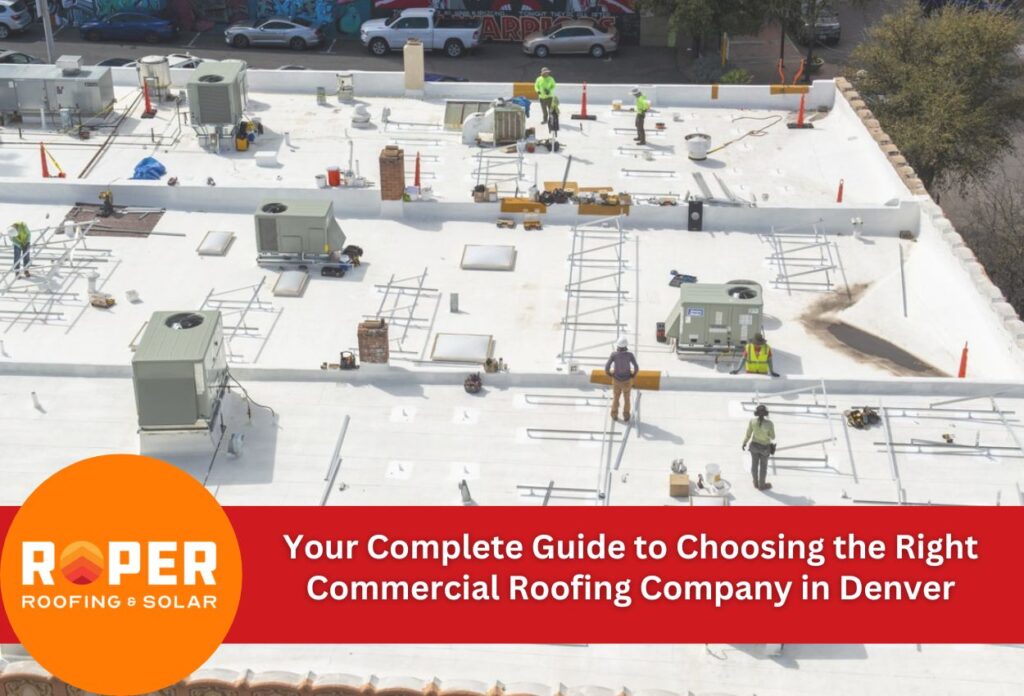
Selecting the right commercial roofing contractor can make the difference between decades of reliable protection and years of repeated repairs. Business owners who understand how to compare commercial roofing companies in Denver position themselves to make better decisions that protect their properties and avoid expensive mistakes.
The commercial roofing industry includes contractors with vastly different levels of experience, qualifications, and reliability. Some companies deliver exceptional craftsmanship backed by licensing and insurance coverage, while others may lack the credentials or expertise needed for complex commercial projects. Having a list of commercial roofing contractor selection criteria helps property owners identify which companies deserve serious consideration.
Evaluating roofing company credentials involves examining multiple factors beyond initial cost estimates. Commercial roof installation experience, licensing status, insurance coverage, and verified project references all play roles in determining contractor quality. Companies with strong track records typically demonstrate their capabilities through documented commercial projects and satisfied client testimonials.
The stakes are high when choosing commercial roofing contractors. Poor contractor selection often leads to substandard installations, warranty disputes, and unexpected repair expenses that far exceed any initial savings from choosing lower-quality providers. Smart business owners invest time in thorough contractor evaluation to ensure their roofing projects succeed from start to finish.
What Credentials to Look for in a Commercial Roofing Contractor
Legitimate commercial roofing contractors must maintain specific credentials that demonstrate their ability to legally operate and protect clients during projects. These credentials create your basis for evaluating roofing companies and separating qualified professionals from unqualified operators.
Denver requires commercial roofing projects to be managed by an individual who has a Class D Roof Covering and Waterproofing Supervisor Certificate. This process verifies that contractors understand building codes, safety requirements, and industry standards. Property owners should always verify current licensing status before signing contracts, as unlicensed contractors cannot legally perform commercial roofing work.
Insurance coverage is another non-negotiable component. Professional commercial roofing contractors need to have general liability insurance that protects property owners from potential damages during installation or repair work. Workers’ compensation coverage protects businesses from liability if contractor employees suffer injuries on commercial roofing projects.
Verifying insurance coverage requires requesting current certificates of insurance directly from contractors or their insurance providers. These certificates should specify coverage amounts, policy effective dates, and covered activities. Your selection criteria should include minimum coverage requirements that align with project scope and property values. Contractors who cannot provide current insurance documentation lack essential protection that responsible businesses require for commercial roofing projects.
Evaluating Experience and Specialization in Commercial Roofing Systems
Assessing a contractor’s track record with different commercial roofing materials and systems reveals their capability to handle specific project requirements. Your commercial roofing contractor selection criteria should include companies with demonstrated experience with materials commonly used in our region. TPO, EPDM, modified bitumen, and metal roofing systems each require specialized installation techniques and material knowledge that contractors develop through hands-on project experience.
Contractors specializing in commercial roof installation typically maintain portfolios of completed projects across different building types and roofing materials. These portfolios provide valuable insight into company capabilities and help property owners evaluate whether contractors have relevant experience for their specific needs. Companies with many commercial roofing project references from similar building types demonstrate their competency in handling your specific roof work.
Property owners should ask targeted questions about project complexity to gauge contractor expertise. Inquiring about experience with multi-story buildings, complex drainage systems, or specialty features like rooftop equipment helps determine if contractors possess the necessary skills. Questions about warranty procedures, material sourcing, and project timeline management reveal operational competencies that impact project success.
Building type experience matters significantly when evaluating roofing companies. Contractors experienced with retail buildings may lack expertise for industrial facilities or office complexes. Understanding how to compare commercial roofing companies in Denver requires matching contractor specializations with specific property requirements to ensure optimal project outcomes and long-term roof performance.
Checking References and Past Project Performance
Gathering detailed information from previous commercial clients provides crucial insights into contractor reliability and workmanship quality that online reviews cannot reveal. When evaluating roofing company credentials, property owners should request lists of recent projects similar in scope and complexity to their planned work.
When contacting commercial contractor references, ask specific questions about project timelines, communication quality, cleanup procedures, and long-term roof performance. Previous clients can reveal whether contractors consistently meet deadlines, handle unexpected challenges professionally, and provide adequate project updates throughout installation processes. Questions about warranty responsiveness and post-installation service help determine if contractors maintain relationships after project completion.
Commercial roofing project references should include contact information for property managers, building owners, or facility directors who directly supervised roofing work. These individuals possess firsthand knowledge about contractor performance and can provide honest feedback about their experience. Contractors who hesitate to provide recent references or offer only limited contact information may be concealing performance issues that could affect future projects.
Several red flags indicate potential problems when reviewing past project performance. Contractors with multiple unfinished projects, frequent warranty disputes, or recurring complaints about cleanup and site management demonstrate operational deficiencies that compromise project success. During their search, building owners should eliminate companies with patterns of poor communication, missed deadlines, or substandard workmanship that previous clients report during reference conversations.
Understanding Warranties and Service Guarantees
Commercial roofing warranties vary significantly between contractors and directly impact long-term property maintenance costs and responsibilities. Understanding different warranty types helps property owners make the right decisions when comparing commercial roofing companies in Denver.
Material warranties typically come from manufacturers and cover defects in roofing products themselves. These warranties range from 10 to 30 years, depending on material type and quality grade. Labor warranties come directly from contractors and cover installation workmanship for generally up to 10 years. Comprehensive system warranties combine both material and labor coverage under unified terms that simplify warranty claims and responsibility determination.
Service guarantees extend beyond basic warranty coverage to include ongoing maintenance support and emergency response commitments. Some contractors offer annual inspection services, priority scheduling for repairs, and discounted maintenance rates as part of extended service agreements. These guarantees provide valuable support for property owners who prefer established relationships with experienced commercial roofing contractors rather than searching for new providers when issues arise.
When comparing warranty terms, look carefully at coverage exclusions, claim procedures, and transferability provisions. Contractors with strong commercial roofing project references typically offer comprehensive warranties backed by established business operations and adequate insurance coverage. Property owners should verify warranty terms in writing and understand exactly what actions void coverage before making their final choice of a contractor.
Getting Accurate Estimates and Comparing Costs
Comprehensive commercial roofing estimates should include detailed breakdowns of materials, labor, permits, disposal fees, and project timelines. Professional contractors provide itemized proposals that specify roofing material grades, installation methods, and warranty coverage rather than presenting simple lump-sum figures that do not include important project details.
Complete estimates address site preparation requirements, structural repairs, drainage improvements, and equipment access considerations that affect total project costs. Contractors with extensive commercial roof installation experience typically identify potential complications during initial inspections and include appropriate allowances in their pricing. Estimates lacking these details often result in change orders that increase final project expenses beyond original expectations.
Property owners should be cautious of estimates that seem unusually low compared to other qualified contractors, as these often indicate missing components or substandard materials that compromise long-term roof performance. Similarly, estimates without specific material specifications, installation timelines, or cleanup procedures may signal that contractors lack thorough project planning, which is essential for successful commercial roofing projects.
When learning how to compare commercial roofing companies in Denver, focus on total project value rather than initial cost alone. Contractors offering superior materials, comprehensive warranties, and maintenance services after installation may justify higher upfront costs. Evaluating roofing company credentials alongside pricing information ensures that cost comparisons account for quality differences that impact long-term ownership costs and building protection.
Making Your Final Decision and Moving Forward Confidently
After thoroughly researching potential contractors, property owners need to evaluate candidates objectively to ensure their final selection meets all project requirements. Commercial roofing contractor selection criteria should be weighted according to project priorities, including licensing compliance, insurance coverage, and roof installation experience.
Creating evaluation scorecards helps organize your decision-making by focusing on measurable contractor qualities. Assign number values to key factors such as licensing status, insurance coverage limits, years of commercial experience, and reference quality. Weight these scores according to project importance — safety-critical factors like licensing and insurance should carry more weight than subjective considerations like company size or marketing presentation quality.
Before signing contracts, conduct final verification checks that confirm all previously gathered information remains current and accurate. Verify roofing contractor licensing and insurance status directly with issuing agencies, as coverage can lapse between initial research and contract signing. Contact recent references one final time to confirm satisfaction levels and ask about any post-completion issues that may have developed.
Discuss how you will communicate and project milestone expectations with your contractor before work begins. Define specific contact persons, regular update schedules, and documentation requirements that ensure smooth project coordination. Document all agreements regarding timeline expectations, site access requirements, and cleanup responsibilities to prevent misunderstandings. Contractors who communicate effectively throughout projects generally deliver better overall experiences and superior results for property owners.
Choose Roper Roofing & Solar for Trusted Commercial Roofing Services in Denver
As you evaluate your options for commercial roofing companies in Denver, consider the expertise and reliability of Roper Roofing & Solar. We meet all licensing and insurance requirements of Colorado and Denver’s municipal codes, ensuring your project adheres to all legal standards. Our extensive experience with various roofing systems means your commercial property is in skilled hands.
Don’t just take our word for it — we encourage you to verify our strong track record through our references and past project reviews. Roper Roofing & Solar is committed to transparency and excellence, offering detailed, fair pricing and robust service guarantees. Make the right decision for your commercial roofing needs by calling us today at (720) 475-1065 for a personalized consultation and estimate.