

Essential Flat Roof Maintenance Tips for Denver Property Owners
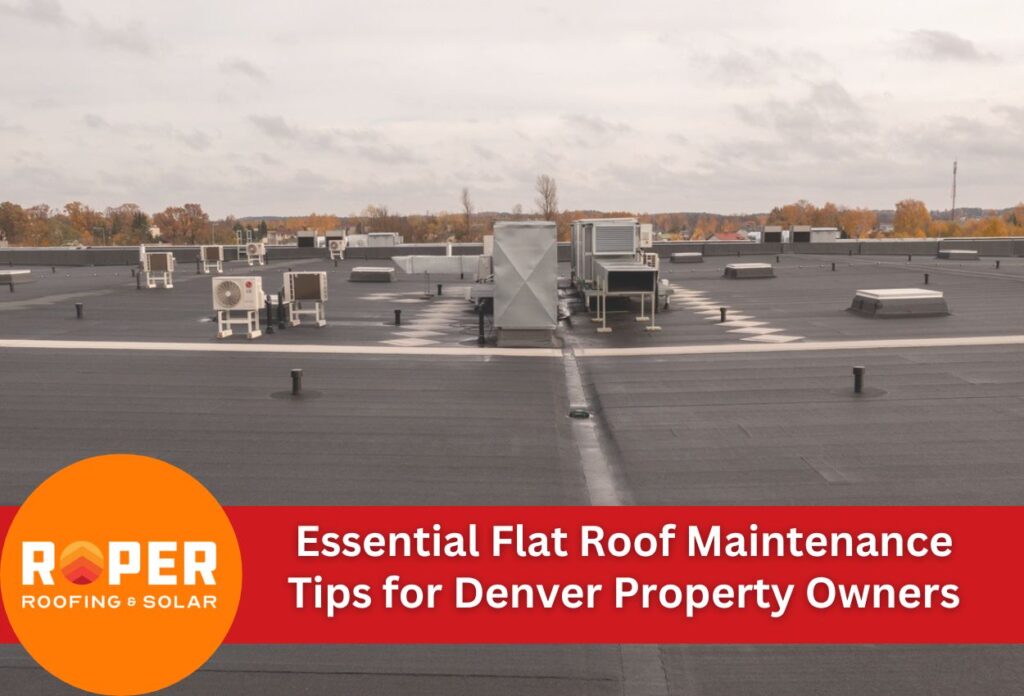
Denver’s sometimes extreme weather conditions create specific problems for flat roofing systems, including dramatic temperature fluctuations that cause expansion and contraction, heavy snow during winter, and intense UV exposure from high-altitude sun. These environmental factors accelerate wear on roof membranes and create opportunities for water infiltration if preventive roof maintenance practices are not followed.
Effective flat roof maintenance tips focus on regular inspections, proper membrane care, and maintaining adequate drainage. Property owners who implement consistent maintenance routines can extend their roof’s lifespan while avoiding emergency repairs that disrupt business operations. Temperature swings from scorching summer heat to freezing winter conditions stress roofing materials, making routine inspections essential for identifying potential problems before they develop into major issues.
Roof leak prevention requires understanding how water behaves on flat surfaces and ensuring drainage systems function properly year-round. Snow accumulation adds substantial weight to flat roof structures, while freeze-thaw cycles create expansion that can compromise membrane integrity. Property owners who prioritize systematic maintenance protect their buildings from water damage and expensive structural repairs while maximizing their roofing system’s performance in Colorado’s demanding climate.
Seasonal Inspection Strategies That Prevent Major Problems
Developing a systematic approach to flat roof inspections protects property investments and prevents minor issues from becoming expensive repairs. Professional inspectors generally focus on three critical areas during routine assessments: membrane condition, drainage functionality, and structural integrity. Surface damage often appears as cracks, blisters, or punctures in the roofing material, while ponding areas indicate drainage problems that require immediate attention. Membrane deterioration signs include exposed reinforcement layers, discoloration, and seam separation that compromise the roof’s waterproofing capabilities.
Creating an inspection schedule aligned with seasonal weather patterns maximizes the effectiveness of preventive roof maintenance efforts. Spring inspections should focus on assessing winter damage and clearing the drainage system after snow melt. Summer evaluations look for UV damage and thermal stress on roof membrane systems. Fall preparations involve debris removal and ensuring adequate flat roof drainage before winter weather arrives. Winter inspections concentrate on snow load monitoring and ice dam prevention.
Property owners should schedule professional assessments twice annually, typically in spring and fall, while conducting regular visual inspections themselves. Warning signs that require an immediate professional evaluation include standing water lasting more than 48 hours, visible membrane damage, or interior water stains. These flat roof maintenance tips help identify problems early, preventing roof leaks and extending the overall system’s lifespan.
Protecting Your Roof Membrane From Weather Damage
Roof membranes require specific cleaning techniques and protective treatments designed to withstand Colorado’s extreme weather conditions. Regular cleaning removes debris, dirt, and organic growth that can deteriorate membrane materials over time. Property owners should schedule professional membrane cleaning twice annually using appropriate cleaning solutions that won’t damage roofing materials. High-pressure washing should be avoided as it can force water under membrane seams and cause separation. Instead, gentle cleaning methods with soft brushes and mild detergents effectively remove accumulated contaminants without compromising membrane integrity.
Protective coatings provide an additional barrier against UV radiation and temperature extremes that accelerate membrane aging. These specialized treatments reflect sunlight, reduce thermal stress, and extend the membrane’s lifespan when applied correctly. Reflective coatings are particularly beneficial for flat roofs in high-altitude environments where UV exposure is intensified. Application timing matters significantly, with ideal conditions being moderate temperatures and low humidity.
Early warning signs of membrane deterioration include surface chalking, color fading, minor cracking, and slight membrane shrinkage around penetrations. Fixing these issues as soon as they are noticed through preventive roof maintenance prevents water infiltration and structural damage. Small membrane repairs using compatible patching materials can effectively seal minor defects before they expand. Regular flat roof inspections help identify these early indicators, allowing property owners to implement roof leak prevention strategies before significant problems require complete membrane replacement.
Drainage System Maintenance for Optimal Water Management
Drainage system care is a major part of effective flat roof maintenance and prevents water-related damage throughout the year. Regular cleaning of gutters, drains, and scuppers ensures adequate water flow while preventing debris accumulation that leads to clogs. Property owners should schedule drainage system cleaning multiple times a year, especially before heavy precipitation seasons. Leaves, branches, and sediment can quickly obstruct drainage paths, creating backup conditions that stress roofing systems and compromise structural integrity.
Scupper maintenance requires special attention since these critical drainage components handle significant water volumes during storms and snowmelt periods. Clear scupper openings allow water to flow freely from roof surfaces, preventing the formation of ice dams during winter. When drainage paths become blocked, water accumulates and freezes, creating expanding ice that can damage membranes and create entry points for leaks. Regular scupper inspections should check for proper sizing, clear openings, and adequate downspout connections that direct water away from building foundations.
Identifying ponding water issues early prevents serious structural problems. Areas where water remains standing longer than 48 hours after precipitation indicate drainage deficiencies that need professional attention. These problematic zones can develop into permanent weak points where the roof membrane is compromised. Professional flat roof inspection services can identify subtle problems and recommend solutions such as tapered insulation systems or additional drain installations that improve flat roof drainage performance and prevent subsequent roof leaks.
Proactive Leak Prevention Techniques
Roof penetrations require specialized attention since these areas account for the majority of flat roof leaks. Proper sealing around HVAC units, vents, and equipment supports prevents water infiltration that can cause extensive interior damage. Regular inspection of flashing materials ensures these protective barriers maintain their waterproof integrity against thermal expansion and weather exposure. Metal flashing components should be checked for corrosion, loose fasteners, and separation from adjacent surfaces that create entry points for moisture.
Edge details along parapet walls and roof perimeters need meticulous maintenance because these transition zones experience significant stress from temperature fluctuations and wind uplift. Sealant materials deteriorate over time and require periodic replacement using compatible products that bond effectively with existing roofing materials. Property owners should examine caulk lines for cracking, shrinkage, or adhesion failure that compromises the waterproof barrier. Professional application of high-quality sealants ensures proper adhesion and longevity in Colorado’s four-season climate.
Interior condensation often mimics leak damage but originates from inadequate ventilation and moisture control rather than roof membrane failure. Proper attic ventilation prevents warm, humid air from condensing against cold roof surfaces during winter. Installing vapor barriers and maintaining balanced air circulation reduces condensation that can cause ceiling stains and mold growth. Understanding the difference between actual roof leaks and condensation problems helps property owners implement appropriate solutions and avoid unnecessary roof repairs while maintaining healthy indoor air quality.
Year-Round Maintenance Tasks for Peak Performance
Implementing consistent monthly and seasonal maintenance activities ensures flat roof systems deliver optimal performance throughout the year. Monthly tasks include visual inspections for surface damage, debris removal from drains and gutters, and checking equipment mounting points for stability. These routine activities prevent small problems from needing major repairs that disrupt building operations. Seasonal maintenance schedules should align with weather patterns, addressing specific concerns that arise during different times of the year while supporting roof leak prevention strategies.
Spring maintenance focuses on assessing winter damage and preparing drainage systems for increased precipitation. Property owners should clear accumulated debris, inspect membrane surfaces for freeze-thaw damage, and verify proper water flow through all drainage components. Summer activities emphasize UV protection and thermal stress management through surface treatments and reflective coating applications. Fall preparations involve comprehensive cleaning, sealing minor defects, and ensuring adequate flat roof drainage capacity before winter weather arrives.
Winter maintenance requires monitoring snow accumulation levels and preventing ice dam formation through ventilation management. Regular removal of excess snow prevents structural overloading while maintaining clear drainage paths. Surface treatments applied during appropriate weather conditions protect roof membrane systems from accelerated aging caused by temperature extremes. This preventive roof maintenance can add years to a roof’s lifespan and maintain building integrity throughout the year.
Developing a comprehensive maintenance log system transforms routine upkeep from reactive repairs to proactive protection strategies. Digital tracking systems record completed tasks, document problem areas, and schedule upcoming maintenance needs based on professional recommendations and local climate conditions. Detailed logs include inspection dates, weather conditions during assessments, repair activities performed, and photographs of roof conditions over time. This approach enables property owners to identify recurring issues, track membrane degradation patterns, and optimize their flat roof maintenance schedule.
Knowing When Professional Intervention Is Required
Recognizing warning signs that exceed typical maintenance capabilities protects property owners from attempting repairs beyond their expertise. Structural sagging indicates serious load-bearing problems that require immediate professional assessment and intervention. Multiple leak locations suggest widespread membrane failure that cannot be addressed through simple patching techniques. Extensive ponding areas covering large roof sections signal drainage system failures requiring specialized equipment and engineering solutions. These conditions need professional roofing contractors who possess the technical knowledge and equipment necessary for comprehensive repairs.
Professional intervention becomes essential when a flat roof inspection reveals membrane delamination, where roofing layers separate from underlying substrates. Standing water that persists despite clear drainage paths indicates structural settlement or inadequate slope conditions requiring specialized correction techniques. Visible deck deterioration, including soft spots or visible wood damage, compromises building integrity and is a significant safety hazard. Energy efficiency problems, such as increased heating costs or interior temperature inconsistencies, often indicate insulation failures that require professional diagnosis and correction.
Selecting qualified roofing contractors requires verifying their licensing, insurance coverage, and local experience with flat roof systems. Professional services should include comprehensive assessments using specialized equipment, detailed repair proposals with material specifications, and warranty coverage for completed work. Qualified contractors provide preventive roof maintenance programs that combine regular inspections with repairs, ensuring the roof membrane receives appropriate professional attention. These ongoing service relationships help property owners prevent roof leaks while extending their system’s lifespan through expert maintenance strategies that complement routine property management activities.
Keep Your Flat Roof in Top Shape with Roper Roofing & Solar
Flat roofs require specialized care to combat Denver’s unique weather challenges. From heavy snowfalls to intense UV rays, your roof is constantly under siege. Roper Roofing & Solar offers comprehensive flat roof maintenance services that protect your investment and extend your roof’s lifespan.
If you’re noticing signs of wear or just want peace of mind that your roof is in top condition, don’t wait for the damage to worsen. Take action today to secure the functionality and durability of your roof. Call us at (720) 475-1065 for a professional inspection and tailored maintenance plan. Trust Roper Roofing & Solar to keep your property safe and dry through every season.