

Say Goodbye to Foggy Windows: Understanding Replacement Options for Denver Homeowners
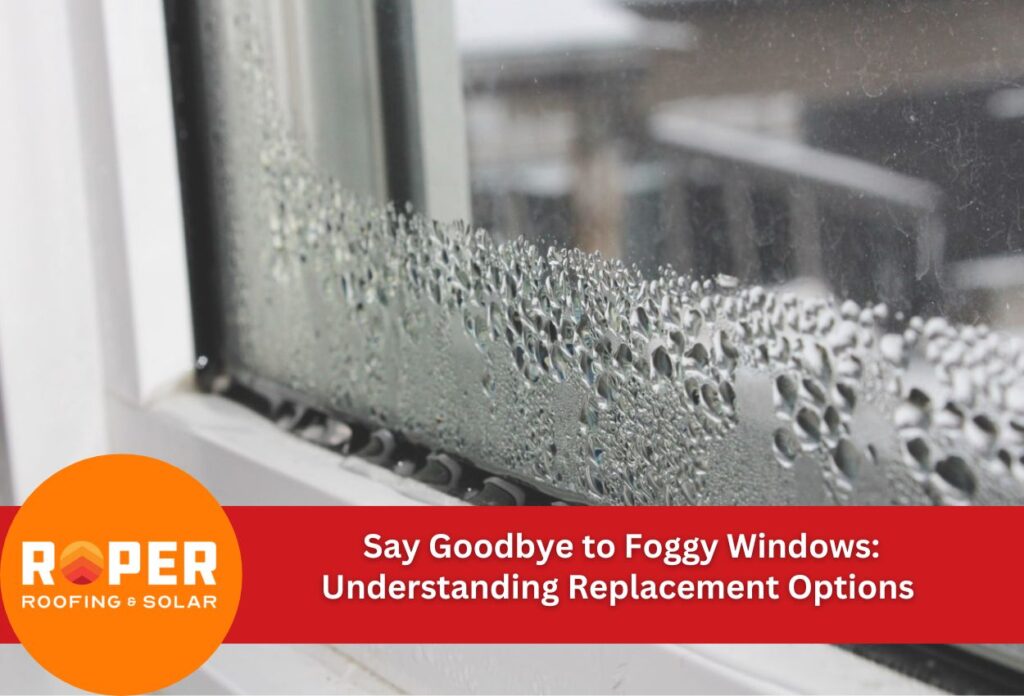
Living in Denver means experiencing dramatic temperature shifts that can take a toll on your home’s windows. When frost forms on the outside while warm air circulates inside, the resulting condensation can lead to foggy windows, a frustrating problem for many Colorado homeowners. This cloudiness isn’t just an aesthetic issue — it signals that your window seals have failed, reducing energy efficiency and potentially allowing moisture to damage surrounding materials.
While temporary fixes exist, most Denver homeowners find that replacement is the most effective long-term solution for foggy or cloudy windows. When double-pane window condensation appears between glass layers, it indicates seal failure that can’t be repaired without disassembly. Modern replacement windows not only eliminate the fog but also provide superior insulation against Colorado’s extreme temperatures.
Window seal failure solutions range from full replacement to defogging services, but understanding which option makes sense for your home requires weighing several factors. Many homeowners consider DIY foggy window replacement, though professional installation often provides better long-term results, especially in Denver, where proper sealing is essential for energy efficiency.
For homes experiencing window condensation issues, addressing the problem promptly can prevent more significant damage and energy loss during both winter cold snaps and summer heat waves.
What Causes Window Fogging? Identifying the Root Problem
Window fogging occurs primarily due to seal failure in double-pane windows. These windows are designed with two glass panes separated by an insulating gas, typically argon or krypton, that provides thermal efficiency. Over time, the seals around these panes deteriorate, allowing the insulating gas to escape and moist air to infiltrate the space between the glass. Once moisture enters, it condenses when temperature differences occur between indoor and outdoor environments, creating that familiar cloudy appearance that’s impossible to wipe away.
Denver’s climate accelerates window seal deterioration in several ways. The Mile High City’s elevated altitude creates a pressure differential that stresses window seals more than at lower elevations. Additionally, Colorado’s dramatic temperature swings, from sub-zero winter nights to over 90-degree summer days, cause the window materials to expand and contract repeatedly, gradually weakening the seals. The intense UV exposure at higher altitudes further degrades the sealants and spacers holding the glass panes together.
When double-pane window condensation appears, it signals declining energy efficiency and potential moisture problems that can affect your home’s comfort and utility bills. Understanding these root causes helps homeowners choose between window seal failure solutions and replacement options.
Assessing Your Foggy Windows: When Replacement is Necessary
Determining whether your foggy windows require full replacement or can be salvaged through less invasive methods depends on several factors. Start your assessment by noting when the fogging occurs: is it constant regardless of weather conditions, or does it only appear during temperature extremes? Permanent cloudiness that persists despite temperature changes typically indicates complete seal failure requiring replacement, while temporary fogging might be addressable through other means.
Next, examine the affected windows for moisture accumulation. When water begins pooling at the bottom of the glass or frame, this signals advanced deterioration that simple repairs cannot fix. Denver homeowners should also monitor their energy bills — a sudden increase often correlates with window seal failure, as your heating and cooling systems work harder to compensate for lost efficiency.
Warning signs that make replacement the most sensible option include visible water damage on surrounding frames, multiple foggy panes throughout your home, and windows more than 15 to 20 years old. While DIY foggy window replacement might seem appealing, professional installation ensures proper sealing. Most double-pane window condensation repair attempts only provide temporary results when the seal has completely failed.
Remember that fixing cloudy windows promptly not only improves your home’s appearance but also restores energy efficiency, potentially saving hundreds in utility costs annually in Denver’s extreme seasonal conditions.
DIY Window Replacement: Is It Right For Your Home?
Tackling foggy window replacement on your own can be a viable option for Denver homeowners with the right skills and tools, but it’s not a project to undertake lightly. Before deciding on DIY foggy window replacement, honestly assess your comfort level with precise measurements, handling glass safely, and working with specialized tools. Most DIY window projects require, at minimum, a tape measure, pry bar, level, caulking gun, drill, utility knife, and appropriate safety equipment.
The process begins with exact measurements of the existing window opening, not just the glass portion. Remember that an error of even 1/8 inch can lead to improper fitting and seal failures down the road. After ordering the correct replacement, you’ll need to carefully remove trim and siding to access the window frame, extract the old window without damaging surrounding materials, clean the opening thoroughly, and install the new window with sufficient insulation and sealing.
For Denver homeowners, sealing is particularly critical due to our extreme temperature fluctuations. Improper installation often leads to air leaks that reduce energy efficiency or, worse, water infiltration that can damage your home’s structure. While fixing cloudy windows through DIY methods can save money upfront, weigh this against the potential long-term costs of mistakes, especially when addressing double-pane window condensation issues that require precise installation techniques.
Professional Window Replacement: What to Expect
Hiring professionals for window replacement offers countless advantages for Denver homeowners dealing with foggy windows. Professional installers understand how altitude, temperature fluctuations, and intense UV exposure affect window installation and can properly seal units to prevent future condensation issues.
One major benefit of professional installation is warranty protection. While DIY foggy window replacement might save money initially, professional installation typically includes comprehensive warranties covering both materials and labor. This protection can extend up to 20 years or more, providing valuable peace of mind. Professionals also complete projects more efficiently — what might take a homeowner several weekends can often be completed in a single day by experienced installers.
When selecting a window installation contractor in Denver, ask about their experience specifically with double-pane window condensation repair and replacement. Ask for examples of projects from previous clients with similar foggy window issues. Reputable contractors should provide detailed written quotes specifying window types, installation methods, cleanup procedures, and warranty terms.
It is also important to ask potential contractors about their approach to energy-efficient window replacement, as installation quality can impact performance over time. Quality contractors will explain how they’ll address the specific causes of your window seal failure and implement solutions that prevent future fogging issues.
Energy-Efficient Window Options for Colorado Homes
When replacing foggy windows in your Denver home, selecting energy-efficient options designed for Colorado’s climate can prevent future condensation problems. The most important rating to consider is the U-factor, which measures how well a window prevents heat transfer. For Denver’s cold winters, windows with a low U-factor of 0.30 or less are often recommended to minimize heat loss and reduce energy bills.
Solar heat gain coefficient (SHGC) is equally important in our sunny climate, which measures the amount of solar radiation that passes through a window. In Denver, a moderate SHGC provides a balance that allows beneficial solar heating in winter while preventing overheating in summer. Low-E (low emissivity) coatings are essential as they reflect infrared light, keeping heat inside during winter and outside during summer.
For frame materials, vinyl offers excellent insulation and requires minimal maintenance, making it popular for windows in Colorado homes. Fiberglass frames provide superior strength and thermal performance, withstanding Denver’s extreme temperature fluctuations without expanding or contracting. Wood frames with exterior coatings combine traditional aesthetics with modern protection against our harsh elements.
Triple-pane glass packages, though more expensive, provide maximum energy efficiency and are particularly effective at preventing the window seal failure that leads to fogging in Colorado’s challenging climate conditions.
Maintaining Your New Windows: Preventing Future Fogging Issues
After investing in replacement windows to solve foggy glass problems, maintenance is essential to prevent history from repeating itself. Denver’s weather conditions require specific care to maximize your windows’ lifespan. Start by regularly inspecting the seals around your windows, particularly after extreme weather events. Look for any cracks in caulking or weatherstripping that could allow moisture in.
Controlling indoor humidity levels is crucial in preventing condensation that can stress window seals. During winter, maintain indoor humidity between 30% and 40%, using dehumidifiers if necessary. Ensure bathroom and kitchen exhaust fans vent properly to remove excess moisture. When cleaning your windows, avoid harsh ammonia-based cleaners that can deteriorate seals over time. Instead, use mild soap solutions recommended by your window manufacturer.
Your window warranty deserves careful attention. Most quality replacement windows come with warranties ranging from 10 to 25 years, specifically covering seal failure. Keep all documentation and understand exactly what’s covered. Address issues as soon as you spot them — if you notice even slight fogging beginning at window edges, contact a professional immediately, as this early intervention can prevent complete seal failure.
Seasonal maintenance checks should become routine for Denver homeowners. The dramatic temperature shifts between seasons create expansion and contraction that particularly stress window components, making preventive care essential for extending the life of your energy-efficient windows.
Denver’s Premier Choice for Foggy Window Replacement
If you’re struggling with foggy windows in your Denver home, don’t let the problem persist. Roper Roofing & Solar specializes in replacing foggy windows that not only clear up your view but also enhance your home’s energy efficiency. Dealing with window seal failures or condensation issues? Our expert team uses the latest materials and techniques designed to withstand Denver’s climate. Don’t settle for temporary fixes. Call Roper Roofing & Solar today at (720) 475-1065 and take the first step towards crystal clear windows and improved home comfort.