

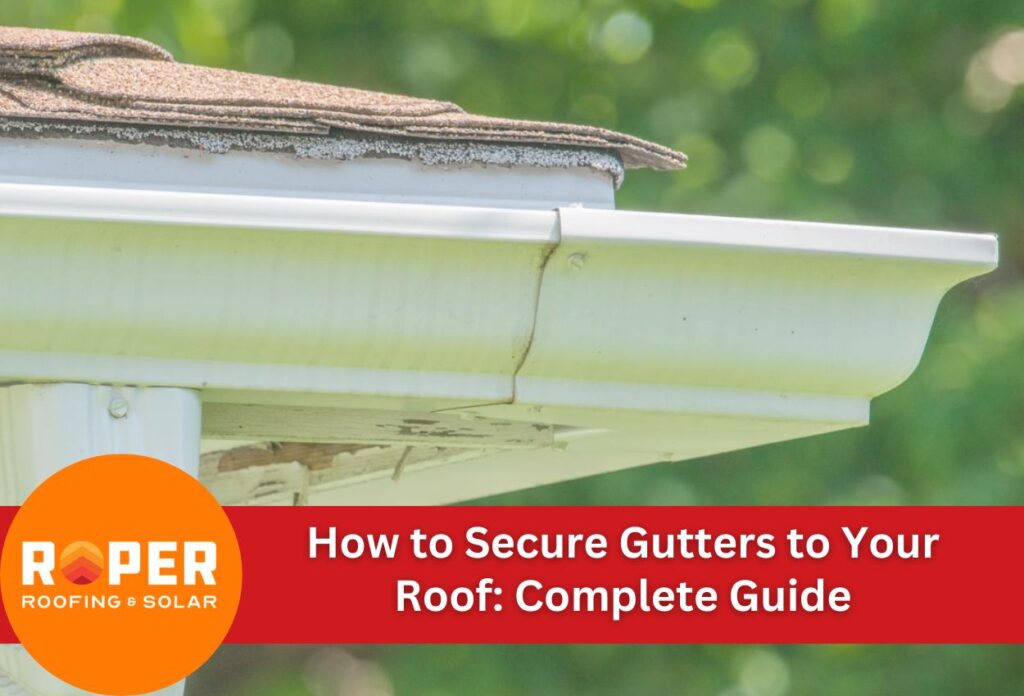
Properly secured gutters are an essential component of any well-maintained roofing system, especially in Denver, where heavy rainfall and snow melt can test even the most robust installations. When gutters aren’t correctly attached to your roof, they can sag, pull away, or completely detach, leading to foundation damage, basement flooding, and expensive repairs. Securing gutters properly isn’t just about preventing these problems — it’s about protecting your entire home.
For homeowners in Colorado, understanding the right gutter attachment methods is particularly important due to the region’s unique weather challenges. Strong gutter brackets and appropriate mounting techniques ensure your drainage system can handle everything from spring downpours to winter ice dams. Whether you’re installing new gutters or reinforcing existing ones, using the correct DIY gutter installation fasteners makes all the difference between a temporary fix and a lasting solution.
Before climbing any ladder or purchasing materials, it’s vital to understand the various roof edge gutter mounting techniques available and which one suits your specific home. This knowledge helps prevent common issues like gutter sagging and detachment that plague many Denver-area homes. With professional techniques and quality materials, securing gutters to your roof becomes a manageable project that delivers significant returns through home protection and reduced maintenance.
Assessing Your Roof Type and Choosing the Right Fastening System
Different roof materials require specific gutter attachment methods to ensure a secure, long-lasting installation. For Denver homes with asphalt shingles, the most common roofing material in our area, hidden hangers that attach to the fascia board work exceptionally well. These fasteners slide under the shingles without penetrating them, preventing potential leaks while providing strong support for your gutter system.
Metal roofs, increasingly popular for their durability in Colorado’s climate, typically require special brackets designed to clamp onto the standing seams or attach with non-penetrating methods. This preserves the roof warranty while still offering robust gutter support. For tile roofs, specialty mounting systems that work around the profile of the tiles prevent damage to these more fragile materials.
Proper spacing of your gutter fasteners is critical to prevent gutter sagging and detachment. In Denver’s climate, where heavy snow can stress your gutter system, fasteners should generally be placed every 24 inches rather than the standard 36 inches used in milder climates. For homes in higher elevation areas with greater snowfall, consider even closer spacing at 18 inches.
When calculating the appropriate number of brackets, measure your total gutter length and divide by your desired spacing. Then add extra support at corners and downspout locations where weight concentration is greatest. Remember that strong gutter brackets positioned correctly will substantially extend the lifespan of your entire drainage system.
Step-by-Step Gutter Bracket Installation Techniques
Installing gutter brackets properly is critical to ensuring your gutter system can handle Denver’s heavy mountain snowmelt and sudden downpours. Beginning with accurate measurements creates the foundation for a successful installation. Start by measuring the entire length of your fascia board where gutters will be attached. Mark bracket positions at 24-inch intervals for standard installations, or 18-inch intervals for homes in higher elevations where snow loads are heavier.
When securing brackets to the fascia, proper slope is essential for effective drainage. The general rule is to create a ¼-inch slope for every 10 feet of gutter length. Establish your highest point (usually furthest from the downspout), and mark a chalk line that gradually descends toward the downspout location. This slight angle ensures water flows properly and doesn’t pool in your gutters.
Use corrosion-resistant screws designed specifically for gutter installation when attaching brackets. Make sure to match the gutter material to the screws you use to prevent galvanic corrosion. Position each bracket along your chalk line, verify it’s level with your slope measurements, then secure it with at least two screws per bracket. Test the strength of each bracket by applying moderate pressure — if there’s any movement, additional reinforcement is needed.
For older homes or those with deteriorating fascia boards, consider using bracket extenders that reach back to the rafter tails for additional support. This roof edge gutter mounting technique provides superior strength against the pulling forces created by ice and snow weight common in Colorado winters.
Fascia Mount vs. Roof Mount Methods: Pros and Cons
When securing gutters to your Denver home, choosing between fascia mount and roof mount methods can affect their performance during extreme weather. Fascia mounting, the most common technique, attaches gutters directly to the vertical fascia board using hidden hangers or spike and ferrule systems. This method creates a clean appearance and works well for homes with maintained fascia boards. The main advantage is installation simplicity and accessibility for cleaning, but it places all the weight stress on the fascia, which can lead to problems during heavy snow.
Roof mounting, alternatively, uses brackets that extend up under the shingles and attach to the roof decking. This method distributes weight more effectively across the stronger roof structure rather than concentrating it on the fascia. For Denver homes dealing with substantial snow accumulation and spring runoff, roof-mounted systems often demonstrate superior stability. However, they require a more complex installation that may impact roofing materials and warranties.
Homes without fascia boards present special challenges that typically require customized bracket solutions. These specialized roof edge gutter mounting techniques may involve extending mounting brackets to reach rafters or using roof-mounted hangers exclusively. Similarly, houses with architectural features like crown molding or decorative fascia elements need custom bracketing systems. A professional roofing contractor can evaluate your home’s specific requirements and recommend the most appropriate gutter attachment method.
Reinforcing Gutter Attachments for Colorado’s Heavy Snow
Colorado’s Front Range winter conditions demand extra consideration when securing gutters to your roof. Standard gutter attachments that work perfectly in milder climates often fail under the weight of ice and snow. To prevent this common issue, consider installing heavy-duty brackets specifically designed for snow-prone regions. These reinforced brackets typically feature additional support arms that transfer weight to the structural elements of your roof rather than relying solely on fascia board strength.
Integrating ice and snow shields with your gutter system provides another layer of protection against winter damage. These shields, installed along the roof edge, prevent ice dams from forcing water under shingles. When installing these shields, ensure they overlap with gutter attachment points to create a seamless barrier against moisture intrusion. The key is securing both elements to the structural rafters rather than just the fascia board.
Denver homeowners should consider heat trace systems along gutters in areas particularly prone to ice buildup. These systems, when properly installed with reinforced attachment points, prevent the freeze-thaw cycles that often weaken gutter connections. Remember to secure cable clips to the underside of gutters rather than along edges where they might interfere with water flow. By combining these reinforcements with correct bracket spacing, your gutter system will maintain integrity throughout Colorado’s challenging winter conditions.
Troubleshooting Common Gutter Attachment Problems
Regular inspections after heavy storms or snowmelt are essential to catch gutter problems early. Sagging gutters and pulling away from the fascia are warning signs that should never be ignored. When you notice uneven water flow, visible gaps between gutters and fascia, or water spilling over the sides during rain, your gutter attachments are likely failing. Left unaddressed, these issues can lead to serious water damage to your Denver home’s foundation, landscaping, and exterior walls.
Correcting a sagging gutter typically involves replacing damaged hangers and ensuring proper spacing. For gutters pulling away from the house, the solution often requires installing additional brackets at closer intervals or upgrading to stronger bracket systems. If water pools in certain sections rather than flowing to downspouts, check for proper slope — the recommended pitch is ¼ inch for every 10 feet of gutter run.
Older Denver homes present unique challenges for gutter attachment. When deteriorated fascia boards are the issue, the best approach is often to install mounting straps that reach back to secure to solid rafter tails. For homes with crown molding or decorative trim, specialized offset brackets create the proper angle while preserving architectural features. Unusual roof lines might require custom-fabricated hangers that accommodate steep pitches or curved edges. These solutions ensure even historic homes can benefit from properly secured, functional gutter systems.
Maintaining Your Gutter Attachments for Long-Term Performance
Ensuring your gutter attachments remain secure through Denver’s diverse weather patterns requires consistent maintenance and attention. From summer hailstorms to winter freezes, our region’s climate constantly tests the integrity of your gutter system. A well-maintained gutter attachment system protects your home from water damage and extends the lifespan of both your gutters and roof structure.
Implementing a seasonal inspection checklist helps spot signs of issues throughout the year. In spring, check all brackets and fasteners for winter damage and clear debris that may have accumulated. Summer inspections should focus on damage from hailstorms, looking for dents or loose connections. Fall maintenance is critical — remove leaves and debris before winter, and verify all mounting hardware is tight. During winter, monitor for ice dams and excessive snow weight that might stress your gutter attachments.
Knowing when to call a professional vs. handling maintenance yourself can save time and prevent accidents. Simple tasks like cleaning gutters and tightening visible brackets can typically be handled by homeowners. However, when you notice significant sagging, multiple detachment points, or damage to your fascia boards, it’s time to contact a professional roofing contractor. Denver roofing specialists have the equipment and expertise to safely access high points, evaluate structural concerns, and implement lasting solutions that match your specific roof configuration and local weather challenges.
Secure Your Gutters with Confidence in Denver
When it comes to protecting your Denver home from water damage, ensuring your gutters are securely attached is crucial. Poorly secured gutters can lead to serious issues, including water damage to your foundation and roof. At Roper Roofing & Solar, we specialize in reinforcing gutter attachments to withstand heavy snow and prevent ice dam formation, typical of Front Range winters.
Whether you’re dealing with deteriorated fascia boards, unusual roof configurations, or simply need a seasonal inspection, trust your home to the experts. Call Roper Roofing & Solar today at (720) 475-1065 for a professional consultation and ensure your gutters are as secure as possible. Let us help you maintain your gutter system for long-term performance and peace of mind.