

How to Install a Metal Roof: Complete Guide for Denver Homeowners
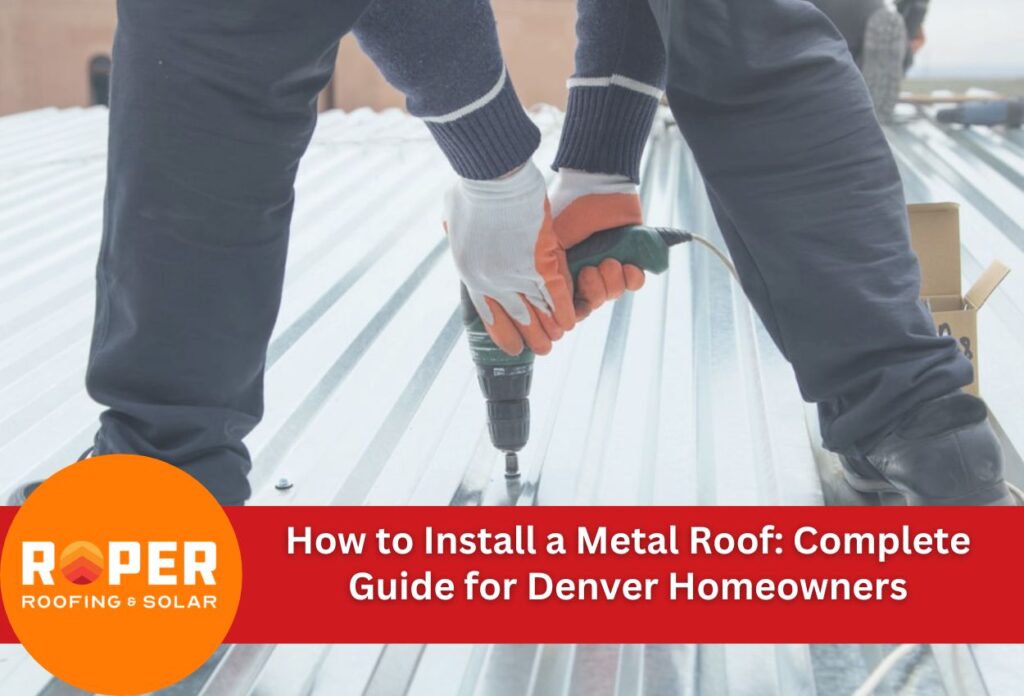
Metal roofs are a top choice for homeowners looking for durable, long-lasting protection against harsh weather conditions. The installation process requires careful planning, professional roofing tools and equipment, and attention to detail to optimize the roof’s performance. Understanding how to install a metal roof properly is the difference between a successful project that lasts decades and extensive repairs down the road.
Colorado’s extreme weather patterns, including heavy snow, hail storms, and rapid temperature fluctuations, require several roof preparation steps and precise installation techniques. Metal roofing materials offer exceptional resistance to these challenging conditions when installed correctly. The key lies in selecting appropriate materials and following proven installation methods.
Professionals ensure correct metal roof flashing installation around penetrations, valleys, and roof edges where leaks commonly occur. The installation process involves multiple phases, from initial roof preparation through final inspection, creating a comprehensive weather barrier for your home.
Homeowners considering this roofing option should understand the complexity involved and recognize when professional expertise is necessary. Proper installation protects the investment and maximizes the longevity that metal roofing systems are designed to provide.
Tools and Equipment You Need for Metal Roof Installation
Successful metal roof installation requires specific roofing tools and equipment designed to handle the unique properties of this roofing material. Professional contractors rely on both standard construction tools and specialized equipment to achieve precise cuts, secure fastening, and complete seals throughout the installation process.
Essential hand tools include metal snips for trimming panels, chalk lines for accurate layout, measuring tapes, and drill bits specifically designed for metal applications. Power tools are necessary for efficient installation: circular saws equipped with metal-cutting blades, impact drivers for fastener installation, and nibblers for detailed cutting work around roof penetrations and complex areas.
Safety equipment is a non-negotiable aspect of any metal roof installation project. Fall protection harnesses, safety ropes, and non-slip footwear protect workers from the inherent risks of working on elevated surfaces. Metal panels can become extremely slippery when wet, making safety gear essential during roof preparation and installation.
Specialized roofing tools significantly improve installation quality and efficiency. Panel lifts help position large sheets safely, seaming tools create weatherproof connections between panels, and magnetic sweeps collect metal debris that could damage gutters or landscaping. Quality fasteners designed specifically for metal roofs ensure long-term performance and prevent common issues like thermal expansion problems or water infiltration around attachment points.
Choosing the Right Metal Roofing Materials for Your Project
Selecting appropriate metal roofing materials is the first step of a successful installation project. The three most common panel types include standing seam, corrugated, and ribbed panels, each bringing advantages for different applications. Standing seam panels provide superior weather protection through concealed fasteners and interlocking edges, while corrugated and ribbed panels offer cost-effective coverage for simpler roof designs.
Metal gauge selection directly impacts durability and performance over time. Residential installations typically use 26-gauge or 29-gauge steel, with thicker 24-gauge material recommended for areas experiencing severe weather conditions. Aluminum options range from .032 to .040 inches thick, providing excellent corrosion resistance and lighter weight compared to steel alternatives.
Finish options significantly affect both appearance and longevity of metal roofing materials. Galvanized coatings protect against rust, while painted finishes add color variety and additional weather protection. Premium finishes like Kynar 500® or similar coatings resist fading and chalking better than standard paint systems.
Proper fastener selection ensures secure panel attachment throughout changing weather conditions. Self-drilling screws with rubber washers create watertight seals, while clips accommodate thermal movement in standing seam systems. Underlayment choices include synthetic materials that provide superior moisture protection compared to traditional felt paper. Ice and water shield is especially important around roof edges, valleys, and penetrations where roof flashing is installed.
Preparing Your Roof Structure for Metal Panel Installation
Roof structure preparation creates the base for successful metal panel installation. Before any metal roofing materials can be positioned, the existing roof deck and framing need to be inspected to ensure they can support the new system. Metal panels, while lightweight compared to traditional materials like tile or slate, still need structurally sound attachment points and proper load distribution.
The roof deck inspection includes examining sheathing for damage, rot, or weak areas. OSB or plywood decking should be a consistent thickness to provide adequate fastener retention for metal panels. Any damaged sections need to be replaced before proceeding with installation. Rafters and trusses need to be checked for spacing and structural integrity, as metal roofing systems rely on consistent support across the entire surface area.
Installing appropriate underlayment is a critical roof preparation step that protects against moisture infiltration. Synthetic underlayment materials offer superior performance compared to traditional felt, providing better tear resistance and weather protection during installation delays. The underlayment creates a secondary barrier beneath the metal panels, preventing water damage if moisture seeps below the primary roofing surface.
Creating ventilation channels creates adequate airflow beneath the metal roofing panels, preventing condensation issues that can lead to structural damage over time. Ridge vents, soffit vents, and intake channels work together to maintain air circulation. This ventilation system is especially important with metal roofs because temperature differentials can create condensation problems without proper airflow throughout the roof assembly.
Installation Steps for Metal Roof Panels
Accurate measurement and positioning are crucial for metal roof installations. The initial panel must align perfectly with the roof edges and remain square to prevent cascading alignment issues throughout the remaining installation. Professional contractors begin by marking chalk lines parallel to the eaves, typically positioning the first panel with a slight overhang beyond the drip edge for water drainage.
Cutting metal roofing materials requires precision to maintain clean edges and prevent damage to protective coatings. Sharp metal shears work best for straight cuts, while nibblers handle curved or intricate cuts around roof penetrations. Each cut should be measured twice and executed carefully, as mistakes in panel sizing can compromise the entire installation sequence and waste expensive materials.
Panel overlap techniques vary depending on the specific metal roofing materials being installed. Standing seam panels interlock through mechanical seaming, while corrugated panels require specific overlap measurements to maintain weather protection. Side overlaps are specified by the manufacturer, while end laps require minimum distances to prevent wind uplift and water infiltration.
Fastener placement directly affects the long-term performance and weather resistance of the completed roof system. Screws must go completely into the roof deck while avoiding over-tightening that could damage sealing washers. Consistent spacing between fasteners prevents panel movement during thermal expansion and contraction cycles. Each fastener should be installed perpendicular to the panel surface, with rubber washers properly compressed to create watertight seals.
Installing Flashing and Weatherproofing Components
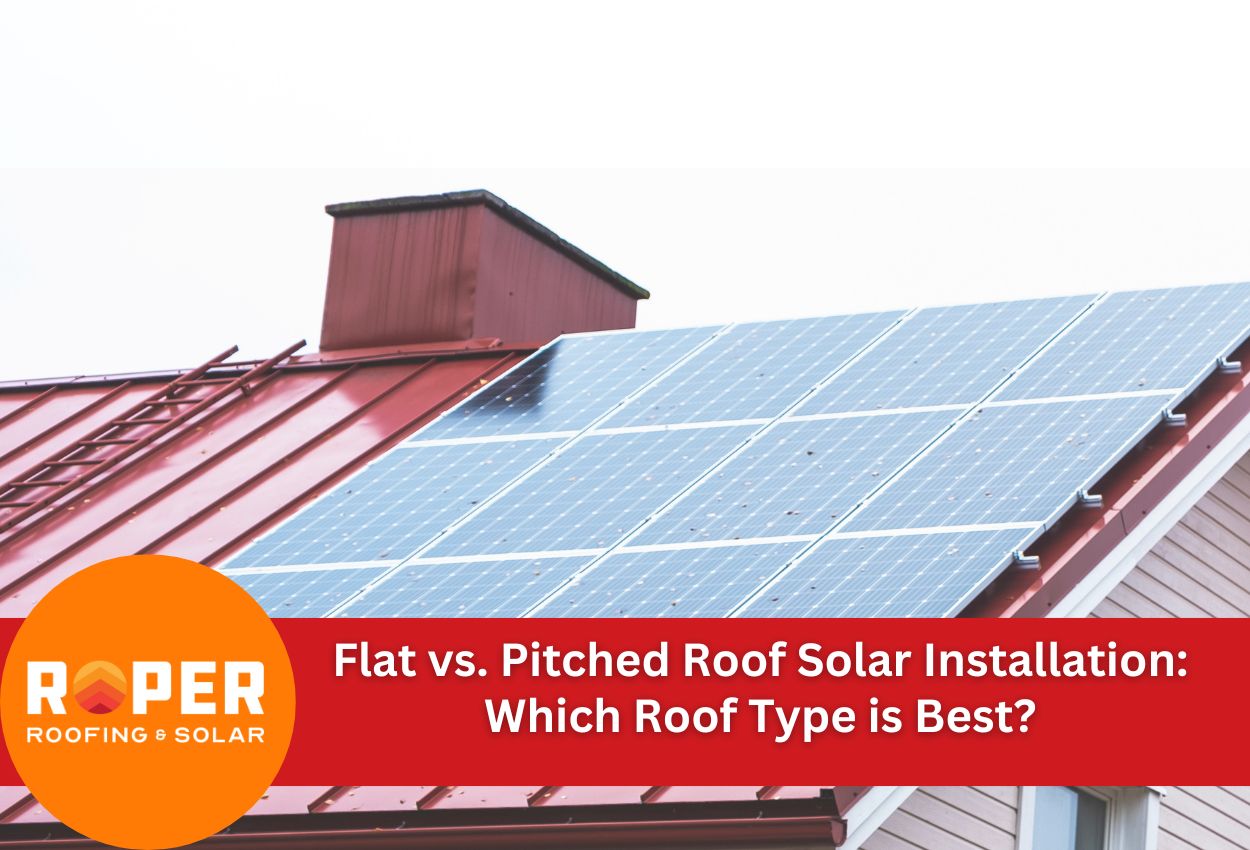
Metal roof flashing installation around critical areas prevents water infiltration that can cause extensive structural damage over time. Chimneys are one of the most vulnerable points on any roof system, requiring step flashing along the sides and back flashing across the top to direct water away from the intersection. The flashing material must match or complement the metal roofing materials to ensure compatible thermal expansion rates and prevent galvanic corrosion between dissimilar metals.
Valley flashing installation needs close attention to water flow patterns and debris management. Open valley systems use wide flashing that extends beneath adjacent roof panels, creating a visible channel for water drainage. The valley flashing should extend under the metal panels on each side, directing water toward gutters rather than allowing pooling that can lead to ice buildup during winter.
Roof penetrations for plumbing vents, electrical conduits, and HVAC equipment require specialized flashing components designed specifically for metal roofing systems. Boot-style flashing accommodates round penetrations, while custom-formed flashing handles irregular shapes. Each penetration point must be sealed with compatible sealants that remain flexible through temperature cycling while maintaining adhesion to both the metal panels and flashing materials.
Trim installation around roof edges, gables, and eaves completes the weatherproofing system by sealing potential entry points for wind-driven rain. Drip edge flashing prevents water from backing up under panel edges, while ridge caps cover the peak intersection where opposing roof planes meet. Proper fastener placement through trim pieces creates secure attachment without creating additional penetration points that compromise the roof’s weather barrier.
Final Inspection and Long-Term Metal Roof Maintenance
Completing a comprehensive post-installation inspection ensures the metal roof system performs as designed and identifies any issues requiring immediate attention. The inspection process begins with examining all metal panel connections for alignment and secure fastening. Each panel should lie flat against the roof deck without visible gaps or raised edges that could allow water infiltration or wind uplift during severe weather.
All metal roof flashing points require careful examination to verify proper sealing and overlap. Valley flashing, ridge caps, and pipe boots should have complete coverage with no exposed edges or inadequate sealant. Fastener inspection involves checking each screw for proper depth and washer compression, ensuring the rubber seals create watertight barriers without being over-compressed or damaged during installation.
Seasonal maintenance tasks help preserve the investment and extend the service life of metal roofing materials. Fall maintenance includes clearing debris from gutters and valleys, removing accumulated leaves that could trap moisture against panel surfaces, and inspecting for any loose or damaged components before winter weather arrives. Spring inspections focus on identifying any fasteners that may have loosened during freeze-thaw cycles and checking sealants around penetrations for cracking or separation.
Common troubleshooting issues include addressing thermal expansion noise, resealing minor leaks around flashing, and replacing damaged or missing fasteners. Regular maintenance performed with appropriate roofing tools and equipment prevents minor issues from requiring extensive repairs. Professional inspection every few years helps identify maintenance needs before they compromise the roof system’s integrity.
Trust Roper Roofing & Solar for All Your Metal Roofing Needs
Installing a metal roof involves precise techniques and the right materials to effectively shield your home from Colorado’s diverse weather conditions. Whether you’re tackling the project yourself or considering professional installation, understanding the importance of each step is crucial. From selecting the best metal roofing materials to alignment and securing, each phase contributes to a robust, long-lasting roof.
Don’t risk your home’s integrity by overlooking critical installation steps. If you’re unsure about the correct procedures or need expert guidance, Roper Roofing & Solar is here to help. With years of experience in metal roof installations, our skilled team ensures your roof is installed correctly and efficiently, providing maximum protection for your home. Take the first step towards a durable and weather-resistant roof. Call us today at (720) 475-1065 to discuss your roofing needs and schedule a consultation.