

Flat vs. Pitched Roof Solar Installation: Which Roof Type is Best?
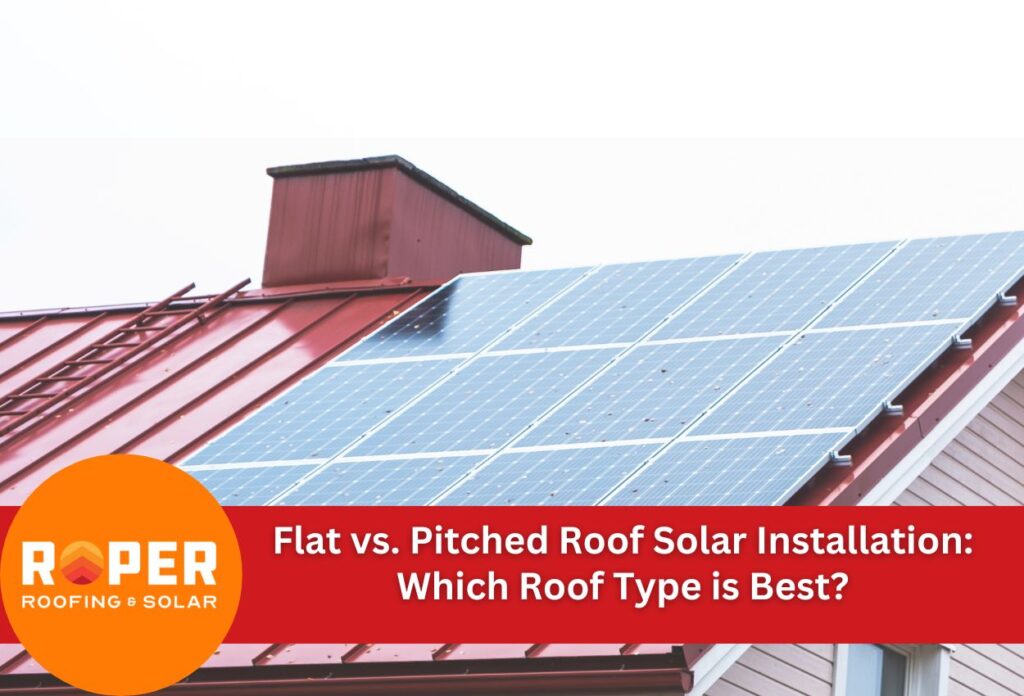
The type of roof on a home significantly impacts solar panel performance and energy production. Homeowners considering solar energy face an important decision about how their existing roof structure will affect their solar installation. Both flat and pitched roofs have advantages and potential issues when it comes to solar panel placement.
Roof structure directly influences solar efficiency through factors like panel angle, sun exposure, and installation complexity. The flat vs. pitched roof solar installation debate centers on maximizing energy output while working within existing architectural constraints. Pitched roofs naturally provide angled surfaces that can optimize sun capture, while flat roofs offer flexibility in panel positioning and maintenance access.
Solar panel roof compatibility depends on multiple structural and environmental factors. Solar panel performance varies based on the angle at which panels can be mounted and their orientation toward the sun. Installation requirements differ significantly between roof types, affecting both the mounting system needed and the overall project approach.
It’s important for homeowners to understand how roof type relates to residential solar panel placement. Roof angle plays a crucial role in determining how much electricity the system will generate throughout the year. Each roof type presents unique opportunities to harness solar power.
How Roof Angle Affects Solar Panel Energy Production
The angle at which solar panels are positioned directly determines how much sunlight they capture throughout the day. Optimal tilt angles for solar panels typically range between 30 and 45 degrees, allowing maximum exposure to the sun’s rays during peak hours. Solar panel performance improves significantly when panels are angled properly to intercept sunlight perpendicular to their surface.
Denver’s geographic location at 39.7 degrees north latitude creates specific conditions that influence optimal residential solar panel placement. The sun travels across the southern sky at varying heights throughout the seasons, making certain roof angles more productive than others. Roof angle optimization is particularly important during winter when the sun sits lower on the horizon.
Pitched roofs often provide natural advantages for solar panels because their sloped surfaces can closely match ideal tilt angles. However, the specific pitch of each roof determines whether additional adjustments are needed to maximize energy production. Roofs with slopes between 4/12 and 9/12 pitch typically offer excellent conditions for panel installation.
Flat roofs require mounting systems that create artificial tilt angles, allowing installers to achieve optimal positioning regardless of the existing roof structure. This flexibility means flat vs. pitched roof solar installation decisions often depend on factors beyond just the roof angle, including available space and maintenance considerations.
Solar Panel Compatibility with Flat Roof Systems
Flat roofs have several advantages that make them attractive options for residential solar panel placement. The level surface provides easier maintenance access, allowing homeowners and technicians to safely walk around panels for cleaning and inspections. This accessibility extends the system’s lifespan through better upkeep and reduces long-term maintenance expenses.
The flexibility of flat roofs enables optimal panel positioning regardless of the building’s orientation. Installers can arrange panels to face true south and achieve the ideal solar installation roof angle through adjustable mounting systems. This positioning control often results in superior energy efficiency compared to pitched roofs that face suboptimal directions.
Flat roof solar mounting can be challenging and requires careful engineering solutions. Proper drainage remains critical since panels and mounting equipment cannot obstruct water flow across the roof surface. Installation teams must design systems that maintain adequate clearance for water runoff while securing panels against wind uplift forces.
Weight distribution is a primary consideration for solar installation projects. Flat roofs typically require ballasted mounting systems that distribute the weight of the panels evenly across the structure. Engineers must evaluate the roof’s load-bearing capacity to ensure the additional weight won’t compromise structural integrity.
Solar panel installation on flat surfaces often allows for higher panel density since installers can minimize shading between rows. The ability to space panels optimally maximizes the available roof area for energy production, making flat roofs highly efficient for residential solar systems.
Pitched Roof Solar Installation Benefits and Challenges
Pitched roofs provide natural advantages for solar energy systems because their sloped design enhances both panel performance and roof protection. The angled surface allows gravity to assist water drainage, preventing moisture buildup around panel mounting points and reducing potential leak risks. This natural water runoff capability makes pitched roofs particularly well-suited for solar panels in areas with significant precipitation.
The slope of pitched roofs often aligns closely with optimal solar angles, reducing the need for complex mounting adjustments. When the roof orientation faces south or southwest, residential solar panel placement becomes straightforward since the existing pitch can provide ideal sun exposure throughout the day. This natural angle advantage frequently results in excellent solar energy efficiency without additional tilt mechanisms.
However, pitched roofs present specific limitations that can impact roof angle optimization. Homes with north-facing slopes or steep pitches may experience reduced energy production due to suboptimal sun exposure. East and west-facing roof sections receive less direct sunlight during peak production hours, potentially limiting overall system performance.
Shading concerns become more complex on pitched roofs where dormers, chimneys, and roof lines create shadows that move across panel surfaces. These obstructions can significantly reduce solar panel performance if not considered during system design. Installation teams must carefully evaluate shading patterns throughout different seasons to maximize energy output.
The flat vs. pitched roof solar installation decision often depends on balancing these natural benefits against other constraints that may limit panel placement options and overall system capacity.
Comparing Energy Efficiency Between Roof Types
Energy output differences between flat and pitched roof solar installations depend on several interconnected factors that influence overall system performance. Panel orientation, tilt angle, and shading patterns all contribute to the total electricity generation potential of each roof type. Understanding these variables helps determine which roof structure delivers superior long-term energy production.
Pitched roofs typically achieve higher energy efficiency when properly oriented toward the south with optimal slope angles. The natural tilt of these roofs can closely match ideal solar angles, resulting in consistent energy production throughout the day. However, this advantage diminishes significantly when the roof orientation faces suboptimal directions or when structural elements create shading issues.
Flat roof systems often compensate for their horizontal design through strategic panel positioning and adjustable mounting systems. The ability to orient panels independently of the roof structure allows installers to maximize sun exposure regardless of building orientation. This flexibility frequently results in superior solar efficiency compared to poorly oriented pitched roofs.
Temperature considerations also affect energy output between different roof types. Flat roof installations typically have better air circulation around panels, helping maintain optimal operating temperatures. Pitched roof systems may trap more heat against the roof surface, potentially reducing panel efficiency during peak summer months.
Your choice between flat vs. pitched roof solar installation ultimately depends on your property’s specific conditions, including roof orientation, available space, and local climate.
Solar Installation Requirements and Structural Considerations
Mounting system requirements vary dramatically between flat and pitched roof installations, with each roof type needing specialized hardware and installation techniques. Pitched roofs typically utilize rail systems that attach directly to roof rafters through the existing roofing material. These mounting points require careful sealing to maintain weatherproofing while providing secure attachment points for the solar array.
Flat roof installations generally employ ballasted mounting systems that rely on weight distribution rather than roof penetrations. These systems minimize potential leak points by avoiding unnecessary holes in the roof membrane. However, the additional weight requires thorough structural analysis to ensure the roof can support both the panels and the ballast materials without exceeding load limits.
Structural load requirements differ significantly between roof types, affecting the complexity of pre-installation assessments. Flat roofs must accommodate both dead loads from equipment weight and live loads from wind uplift forces. Engineers evaluate the roof’s ability to handle concentrated loads at mounting points while maintaining proper drainage around equipment.
Pitched roof installations distribute weight more evenly across the roof structure through rafter attachment points. The angled surface helps distribute wind pressure naturally, but installers must account for increased uplift on the panel edges. Roof condition assessments are critical for identifying any structural weaknesses that could compromise solar panel roof compatibility.
A professional evaluation of roof age, material condition, and underlying structural integrity is essential for both flat and pitched roof solar installation projects to ensure a safe, long-lasting renewable energy system.
Making the Best Decision for Your Home’s Solar Future
Several questions will guide homeowners toward the most appropriate solar solution for their specific roof type. Consider how long the current roof will last before requiring replacement, as installing solar panels on an aging roof may result in additional costs when roofing work becomes necessary. Evaluate whether the existing roof structure can support the additional weight and mounting requirements of a solar system.
Assess the roof’s current condition, including any signs of wear, water damage, or structural issues that could complicate installation. Determine whether the roof orientation and angle naturally support solar panels or if additional mounting adjustments will be needed. Consider accessibility for ongoing maintenance and cleaning, as this affects long-term solar efficiency.
Think about available roof space and whether it provides sufficient area for meeting energy production goals. Examine potential shading from trees, neighboring buildings, or roof features that could impact the effectiveness of your solar panels. Consider local weather patterns and how they might affect different installation approaches for the specific roof type.
The next step involves scheduling a roof inspection with a qualified professional who can evaluate structural capacity and installation requirements. This assessment determines whether repairs or reinforcements are needed before solar installation begins. Contact experienced solar installers who can provide a detailed analysis of how flat vs. pitched roof solar installation will impact energy production and system costs.
A professional consultation ensures that all factors affecting solar installation are considered before homeowners make their final decision about residential solar panel placement.
Discover the Best Roof Type for Your Denver Solar Panel Installation
Deciding between a flat or pitched roof for your solar installation in Denver? Each roof type has advantages for solar efficiency, but can also impact your system’s performance over time. Flat roofs provide a versatile platform for solar panels, allowing for adjustable angles and orientations to maximize sun exposure. Conversely, pitched roofs naturally facilitate optimal sunlight capture due to their slope, enhancing energy production throughout the year.
Understanding how each roof type interacts with Denver’s unique sun patterns and latitude is crucial. Whether you are considering the flexibility of flat roof systems or the efficient drainage and exposure offered by pitched roofs, Roper Roofing & Solar can guide you through the best options tailored to your home’s needs.
Contact Roper Roofing & Solar today at (720) 475-1065 to schedule a professional roof assessment and discover the most effective solar solutions for your property.