

Complete Home Roof Care Guide for Denver Area Homeowners
Following a residential roof maintenance checklist helps homeowners protect one of their most significant investments. Regular roof inspections and preventive care prevent small issues from turning into major damage that threatens the structural integrity of homes.
Denver area homeowners face challenges to their roofs throughout the year. Hailstorms can damage shingles in minutes, while heavy snow tests structural limits during winter. The intense ultraviolet radiation at high altitude accelerates material deterioration, making consistent homeowner roof upkeep essential for long-term protection.
Seasonal roof maintenance is an effective way to prevent roof damage. Spring inspections reveal winter damage before summer storms arrive. Fall preparations ensure roofs can withstand upcoming snow and ice conditions. These routine maintenance practices generally extend a roof’s lifespan by 10 to 15 years while preventing emergency repairs during Colorado’s most severe storms.
Understanding basic maintenance requirements means homeowners can identify potential problems early. Simple visual inspections, gutter cleaning, and debris removal form the core of effective roof care. Professional assessments complement homeowner efforts, ensuring comprehensive protection against Colorado’s unpredictable weather patterns.
Visual Inspection Techniques You Can Do Safely
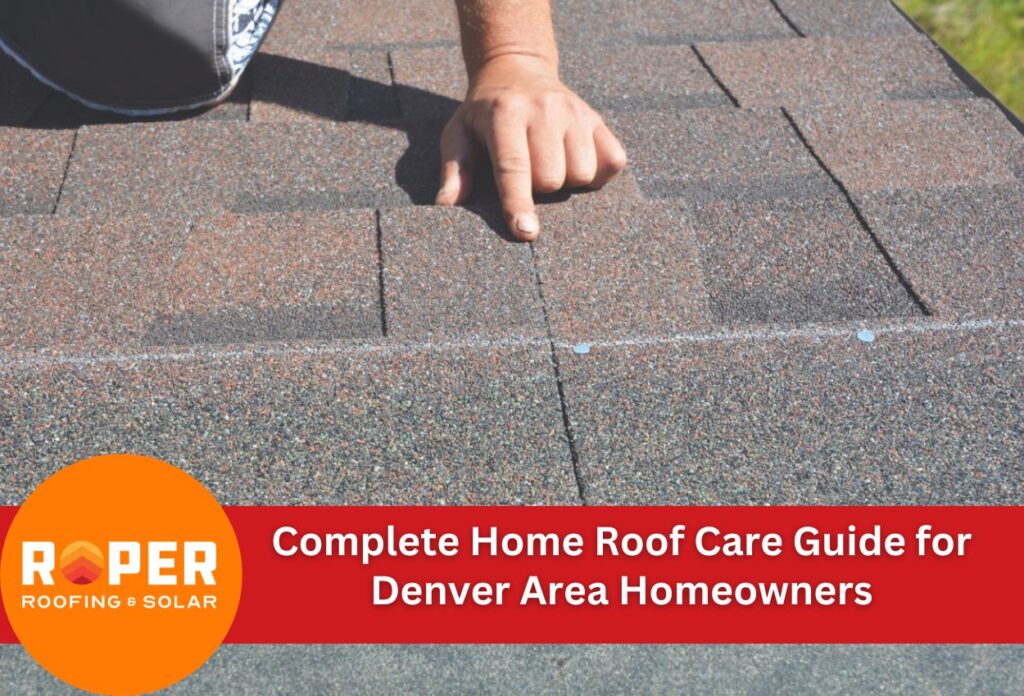
Ground-level visual inspections form the cornerstone of effective residential roof maintenance. Using binoculars provides detailed views of roof surfaces without compromising safety. Homeowners should examine shingles systematically, looking for curling edges, missing granules, or exposed nail heads that indicate deterioration. Dark streaks or discoloration often signal moisture infiltration requiring immediate attention.
Roof inspection tips include checking for sagging areas that suggest structural problems or water damage. Examine gutters for excessive granule accumulation, which indicates accelerated shingle wear. Flashing around chimneys, vents, and roof valleys requires careful scrutiny since these areas commonly develop leaks. Missing or damaged flashing creates vulnerabilities that worsen rapidly during weather events.
Safety concerns should discourage homeowners from climbing onto roofs without proper equipment and experience. A professional evaluation is necessary if you spot multiple damaged shingles, significant sagging, or compromised flashing. These red flags indicate problems beyond typical homeowner capabilities that require professional expertise to address safely.
Preventive roof care through regular visual inspections helps homeowners document changes over time. Photographing concerning areas during seasonal roof maintenance creates records for insurance claims and professional consultations. This enables early intervention before minor issues compromise entire roofing systems during severe weather.
Interior Warning Signs That Signal Roof Problems
Interior inspections reveal critical roof problems that external visual checks often miss. Water stains on ceilings and walls indicate active leaks that compromise structural integrity and create health hazards. These discolored patches typically appear as brown or yellow rings that expand over time, signaling ongoing moisture infiltration through damaged roofing materials.
Attic examinations show another side of roof condition and ventilation effectiveness. Damp insulation loses thermal efficiency and promotes mold growth that threatens indoor air quality. Homeowners should look for dark spots or fuzzy growth on wooden rafters and decking, which indicate moisture problems requiring immediate professional attention.
Musty odors throughout upper floors often signal hidden water damage from roof leaks. Temperature fluctuations between rooms suggest compromised insulation or ventilation issues that increase energy costs. These interior warning signs typically develop before visible exterior damage appears, making regular attic inspections an essential part of your residential roof maintenance checklist.
Pests in attics frequently indicate roof vulnerabilities that worsen during harsh weather. Small holes or gaps around roof penetrations allow rodents and insects to enter while permitting moisture infiltration. Addressing these access points through preventive roof care protects both structural integrity and energy efficiency.
Gutter System Maintenance and Drainage Care
Gutter maintenance is a critical component of any residential roof maintenance checklist, protecting both roofing systems and foundations from water damage. Clogged gutters create standing water that backs up under shingles, causing rot and compromising roof integrity. Regular cleaning means debris does not accumulate and lead to overflow during heavy rainfall and snowmelt.
Effective cleaning techniques for removing leaves, twigs, and organic debris begin with safety equipment and tools. Homeowners should use sturdy ladders with stabilizers and work gloves to protect against sharp edges. Starting at downspouts and working toward corners, remove large debris by hand or use a trowel. A garden hose helps flush remaining particles while testing water flow through the entire system.
Ice buildup in gutters can be challenging to deal with and requires specialized approaches to remove. Ice dams form when trapped water in gutters freezes, forcing moisture under roofing materials. Removing snow from gutters before temperatures drop helps prevent ice formation. Heated cables installed along gutter edges provide consistent melting during the extended winter months.
Downspouts keep water flowing away from foundation walls, preventing basement flooding and structural settling. Extensions should direct water at least 5 feet from foundation perimeters. Seasonal roof maintenance includes checking downspout connections for looseness or separation that reduces drainage effectiveness. These roof inspection tips help homeowners identify drainage problems before they compromise both the roofing system and the house foundation.
Seasonal Maintenance Tasks Throughout the Year
Seasonal roof maintenance should align with Colorado’s distinct weather patterns and their impact on roofing systems. Spring assessments focus on documenting winter damage while preparing for summer’s intense sun exposure and severe hailstorms. Fall preparations concentrate on structural readiness for snow buildup and ice dam prevention before the harsh winter conditions arrive.
Spring and summer preparation begins with a thorough assessment, as snowmelt often reveals hidden problems. Homeowners should examine shingles for granule loss accelerated by high-altitude UV radiation that degrades materials faster than at lower elevations. Heat protection measures include ensuring adequate ventilation to prevent thermal expansion damage. Checking attic temperatures helps identify ventilation deficiencies that reduce shingle lifespan and increase cooling costs during the hot summer months.
Fall and winter should center around preparing for snow accumulation, which can exceed 30 pounds per square foot during heavy storms. Homeowner roof upkeep includes removing debris that traps moisture and creates ice buildup. Weatherproofing tasks involve sealing minor gaps around flashing and vents before freezing temperatures make repairs difficult. Installing snow guards prevents dangerous avalanche conditions that damage gutters and landscaping.
This approach to seasonal roof maintenance means roof damage is caught before the weather changes. These preventive roof care practices maintain structural integrity while extending the roof’s lifespan. Professionals generally recommend scheduling detailed assessments during spring and fall when weather conditions allow for safe evaluations and necessary repairs.
Professional Maintenance Services Worth Considering
Professional roof inspections provide comprehensive assessments that complement homeowner maintenance efforts, particularly following the major storms common throughout Colorado. Certified inspectors identify structural issues and hidden damage that standard visual checks cannot detect. Scheduling professional evaluations twice yearly, typically in spring and fall, allows problems to be fixed before extreme weather arrives.
Professional services bring equipment and expertise for complex roofing needs that exceed typical homeowner capabilities. Thermal imaging detects moisture infiltration that is invisible during standard examinations. Drone technology can take detailed assessments of steep or dangerous roof sections while maintaining contractor safety. These advanced evaluation techniques identify developing problems early, preventing extensive damage down the line.
Insurance policies frequently require professional documentation for coverage validation, particularly for storm damage claims. Many manufacturers mandate certified inspections to maintain warranty protection on roofing materials and installation work. Professional maintenance records establish compliance with coverage requirements while providing detailed condition reports that support future insurance claims and warranty service requests.
Combining professional services with consistent homeowner roof upkeep creates the most effective approach. Seasonal roof maintenance performed by homeowners between professional visits maintains system integrity while reducing long-term repair costs.
Creating Your Personal Maintenance Schedule and Records
Tracking your roof maintenance tasks over time transforms reactive repairs into proactive residential roof management. Organized record-keeping ensures warranty compliance while documenting maintenance history that insurance companies require during claims processing. Digital calendars and smartphone apps provide automated reminders for seasonal roof maintenance tasks, preventing oversight during busy periods.
Simple tracking systems record inspection dates, identified problems, and completed repairs in chronological order. Homeowners should document weather events that impact roofing systems, noting hail size, wind speeds, and precipitation amounts. Photographs paired with written observations create comprehensive maintenance records that support warranty claims and insurance documentation. Regular entries help track recurring issues that indicate deeper problems that require professional attention.
Building relationships with qualified local contractors allows homeowners to benefit from rapid responses during emergency situations caused by extreme weather. Maintaining current contact information for roofing professionals, including after-hours numbers, prevents delays when storm damage occurs. Establishing these connections before emergencies arise allows homeowners to vet credentials, compare services, and understand pricing structures without pressure from immediate repair needs.
Protect Your Home with Roper Roofing & Solar’s Expert Maintenance Services
Don’t wait for severe weather to expose vulnerabilities in your roof. Regular maintenance is key to prolonging the life of your roof and ensuring your home remains safe and dry, despite Colorado’s notorious weather. At Roper Roofing & Solar, we specialize in comprehensive roof maintenance that can safeguard your home from the unpredictability of Denver’s climate. From preparing for heavy snow to hail damage assessments, our team ensures your roof is ready to handle anything.
If you’re unsure about the condition of your roof or need professional guidance on creating a personalized maintenance schedule, call Roper Roofing & Solar today at (720) 475-1065. Let us help you maintain your roof year-round with our expert services for Denver area homeowners.