

How Long Does Underlayment Last, and What Affects Its Durability?
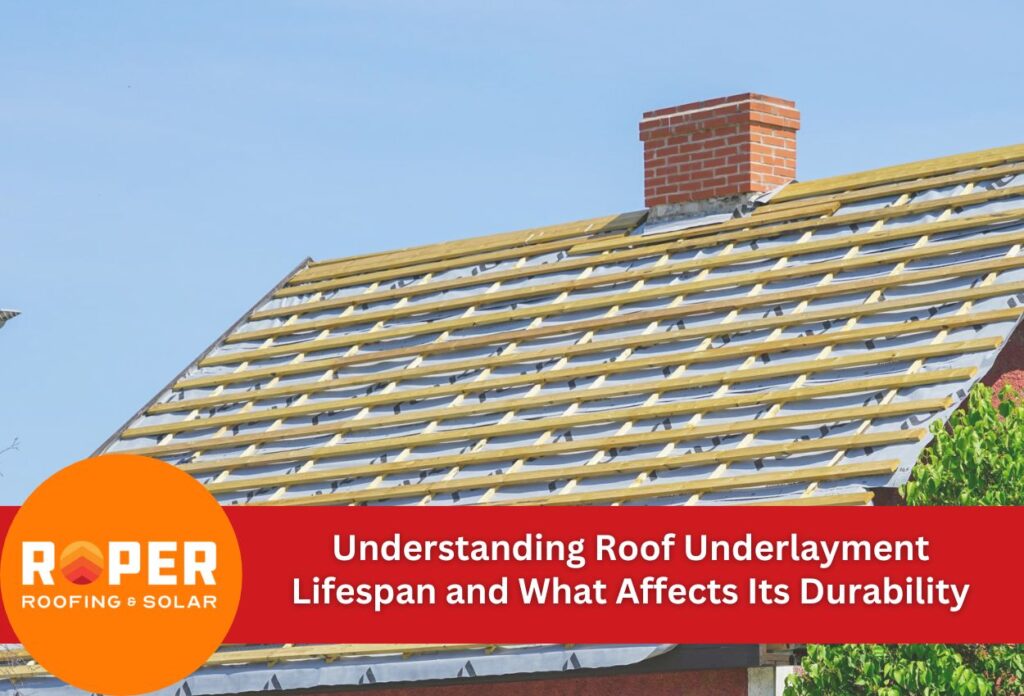
Roof underlayment is an important protective barrier between your home’s structural deck and the visible roofing materials above. This secondary defense system shields your property from water infiltration, wind-driven rain, and ice dams that could otherwise cause significant damage to your home’s interior and structural components. Most homeowners rarely think about underlayment durability until problems arise, yet understanding how long underlayment lasts directly impacts maintenance planning and budget decisions.
The lifespan of this essential component varies based on several factors.Climate conditions play a major role in underlayment longevity. Extreme temperature fluctuations, heavy precipitation, and UV exposure accelerate material breakdown over time. Installation quality significantly affects performance, as improper techniques can reduce expected lifespan by years. Material selection is equally important, with synthetic and felt options having different durability and replacement timelines.
Recognizing signs of underlayment failure helps prevent water damage and structural issues. Professional roof underlayment replacement is necessary when these protective barriers deteriorate beyond their effective service life. Understanding these factors helps property owners plan maintenance schedules and choose materials that offer long-term protection.
Types of Underlayment Materials and Their Lifespans
Understanding the different underlayment options available helps property owners make the best decision for their homes’ needs. Two primary categories dominate the market, each offering different advantages and durability characteristics.
Traditional felt underlayment remains a popular choice for many roofing projects due to its affordability and proven track record. Standard #15 felt typically provides reliable protection for 15 to 20 years under normal conditions, while heavier #30 felt extends this timeline to 20 to 30 years. The weight and quality of felt directly correlate with its resistance to tearing and moisture penetration, making heavier options more suitable for areas experiencing severe weather conditions.
Modern synthetic underlayment has revolutionized roof protection with superior performance. These advanced materials often last over 30 years, significantly outperforming traditional felt options. Synthetic underlayment generally has enhanced weather resistance, improved tear strength, and better UV protection, holding its integrity longer and reducing the need for replacements over time.
Material composition affects long-term performance significantly. Synthetic options resist moisture absorption, preventing the degradation that commonly affects felt materials. This enhanced durability makes synthetic underlayment the better option for long-term roof protection, though initial investment costs typically exceed traditional felt alternatives. Recognizing signs of underlayment failure is crucial regardless of the material selected.
Climate Impact on Underlayment Longevity in Colorado
Colorado’s climate can stress roofing materials, significantly influencing when roof underlayment replacement is needed. Denver’s elevation and continental climate produce extreme temperature swings that can exceed 80 degrees between winter lows and summer highs, causing materials to expand and contract repeatedly throughout the year.
Hailstorms pose another serious threat to underlayment durability in the region. Colorado experiences some of the nation’s most severe hail activity, with impacts that can compromise underlayment integrity even when visible roofing materials appear undamaged. These storms often create micro-tears and punctures that accelerate water infiltration and material breakdown over time.
High-altitude UV exposure can be very damaging to exposed roof underlayment. Denver’s thin atmosphere provides less protection from solar radiation, causing organic materials in felt underlayment to deteriorate faster than in lower elevation areas. Synthetic underlayment materials handle UV exposure better, extending their service life in Colorado’s harsh sun.
Seasonal freeze-thaw cycles accelerate underlayment deterioration compared to milder climates. Water that penetrates small gaps or tears repeatedly freezes and expands, widening these openings and compromising the protective barrier. Recognizing signs of underlayment failure is critical for Colorado homeowners, as material breakdown often occurs more rapidly than manufacturer estimates suggest for moderate climate zones.
Warning Signs That Your Underlayment Needs Replacement
Knowing when to replace roof underlayment requires looking at both external and internal warning signs that indicate material failure. Regular roof inspections can reveal several visible indicators that signal compromised underlayment and the need for replacement.
Visible tears, cracks, or brittleness in exposed underlayment areas provide clear evidence of material degradation. During roof inspections, professionals look for sections where underlayment has separated from the decking or developed holes that compromise water resistance. These physical signs of underlayment failure often appear along edges, around penetrations, or in areas subjected to heavy foot traffic during maintenance activities.
Interior warning signs frequently appear before exterior damage becomes obvious. Water stains on ceilings or walls indicate moisture has penetrated the underlayment barrier, allowing water into living spaces. Attic inspections may reveal mold growth, dampness, or discoloration on wooden structural components that suggest ongoing moisture problems caused by failing underlayment.
Ice dam damage creates obvious signs that the underlayment has been compromised. Homeowners may notice water infiltration during winter months when ice prevents proper drainage, forcing moisture under roofing materials. This winter water intrusion often indicates that the underlayment has deteriorated beyond its protective capacity, making replacement necessary to restore moisture protection.
Installation Quality and Its Effect on Underlayment Durability
Proper installation techniques significantly influence underlayment durability and determine whether materials reach their expected service life. Even premium synthetic materials will fail prematurely when installed incorrectly, making professional expertise essential.
Correct overlap patterns form the foundation of effective underlayment installation. Standard practice requires horizontal overlaps of at least 4 inches and vertical overlaps of 6 inches to prevent water infiltration. Insufficient overlap creates vulnerable seams where moisture can seep through, reducing underlayment durability and accelerating the need for replacement.
Fastening methods directly impact long-term performance and material integrity. Proper nail placement, spacing, and depth prevent tears while securing materials against wind uplift. Over-driven fasteners create holes that compromise water resistance, while under-driven nails allow movement that can cause material fatigue and premature failure.
Common installation mistakes dramatically reduce expected lifespan and create signs of underlayment failure years ahead of schedule. Inadequate sealing around roof penetrations, improper valley installation, and failure to use appropriate adhesives in critical areas lead to water infiltration problems. Walking on the underlayment inappropriately during installation can create micro-tears that expand over time. These errors often make synthetic underlayment vs. felt comparisons irrelevant, as poor installation negates the advantages of premium materials and necessitates early replacement regardless of the material selected.
Maintenance Practices That Extend Underlayment Life
Proactive maintenance can significantly extend underlayment durability. Property owners who have regular inspections and fix minor issues quickly can maximize their investment and avoid premature roof underlayment replacement costs.
Regular roof inspections enable early detection of conditions that threaten underlayment integrity. Biannual inspections should focus on identifying loose or damaged shingles, clogged gutters, and debris accumulation that can trap moisture against roofing materials. Addressing these issues as soon as possible prevents water from reaching the underlayment and causing deterioration.
Roof ventilation systems also work to maintain optimal conditions for underlayment longevity. Adequate attic ventilation prevents moisture buildup and reduces temperature extremes that accelerate material breakdown. Ridge vents and soffit vents work together to create airflow that keeps the underlayment dry and within safe temperature ranges.
Gutter maintenance directly impacts underlayment durability by preventing water backup and ice dam formation. Clean gutters and downspouts ensure seamless drainage during rain and snow melt, reducing the likelihood of water seeping under the roofing materials and reaching the underlayment barrier. Professional gutter cleaning and repair services help maintain this critical drainage system. These preventive measures benefit both synthetic and felt underlayment significantly, reducing moisture exposure and temperature stability.
Making Smart Replacement Decisions for Long-Term Protection
Strategic timing for roof underlayment replacement prevents emergency repairs and water damage that occurs when materials fail completely. Property owners who plan proactive replacement schedules avoid the higher costs and structural complications associated with emergency replacement situations.
Proactive replacement timing depends on material type, installation quality, and local climate conditions. Felt underlayment typically requires replacement after 20 years, while synthetic options may last 30 years or more. However, severe weather events, poor installation, or signs of underlayment failure may necessitate earlier replacement regardless of age. Professional inspections help determine optimal replacement timing before complete material breakdown occurs.
The decision between repair and full replacement requires thinking about multiple factors. Localized damage affecting less than 30% of the roof area often justifies targeted repairs, particularly when the remaining underlayment shows good condition. However, widespread deterioration, age beyond recommended service life, or recurring problems typically make complete roof underlayment replacement more cost-effective than repeated patch repairs.
A long-term cost analysis favors replacement when multiple repairs exceed the cost of a full replacement. Deciding when to replace roof underlayment should account for planned roof renovations, energy efficiency improvements, and warranty considerations that affect overall project value and durability expectations.
Ensure Long-Term Roof Protection with Roper Roofing & Solar
Understanding the lifespan of your roof underlayment is crucial for maintaining your entire roofing system. At Roper Roofing & Solar, we specialize in assessing and replacing underlayment to ensure your roof withstands Colorado’s harsh weather conditions. Whether you’re dealing with the aftermath of a hail storm or preparing for the seasonal freeze-thaw cycles, our expert team is equipped to help.
If you notice signs of underlayment failure, such as water stains in the attic or visible deterioration during an inspection, it’s time to act. Delaying replacement can lead to more significant damage and higher costs in the future. Don’t wait for a complete failure. Call us today at (720) 475-1065 for a professional evaluation and to discuss your best options for underlayment replacement. Secure your home with Roper Roofing & Solar, where quality meets durability.