


Multi Family Roofing in Colorado Springs, CO
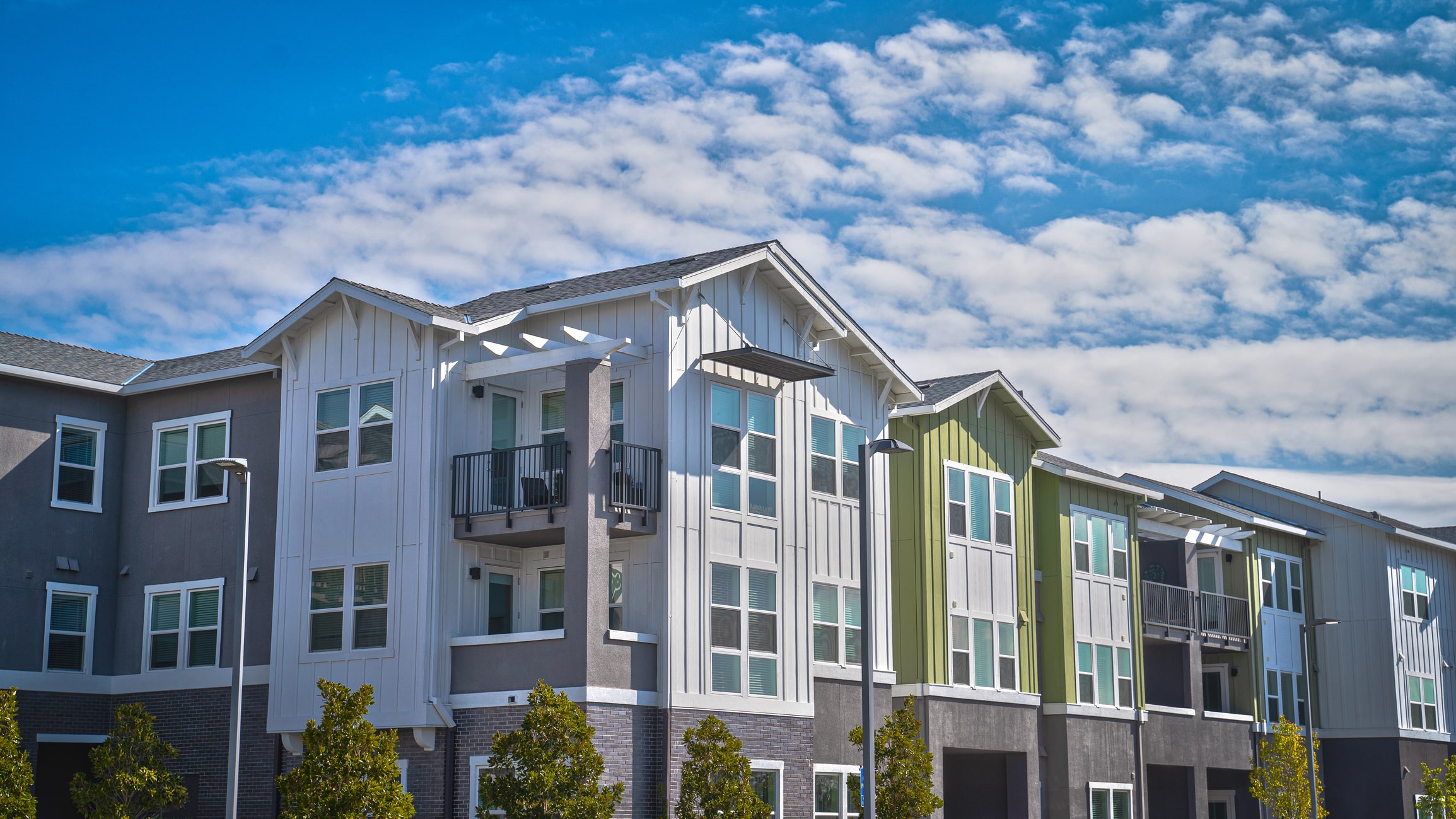
Multi family properties across the Colorado Springs region face intense roofing challenges that accelerate wear and create headaches for property managers and building owners. High-altitude UV exposure breaks down roofing materials faster than in lower elevations, while temperature swings from below freezing in winter to the 90s in summer stress the flat and low-slope roofs common on apartment buildings and condominiums. Spring wind gusts topping 60 mph, heavy winter snow, and summer thunderstorms test every seam and fastener. With around 45 percent of local households renting and occupancy rates near 94 percent, you need roofing that protects your investment without disrupting tenants or creating vacancies. Transient military tenant turnover adds pressure to maintain curb appeal and weather-tight conditions year-round.
Professional multi family roofing addresses these demands with durable systems built for Colorado Springs conditions. Roper Roofing & Solar understands the unique requirements of apartment and condo buildings in this market, from local building codes and Class A fire-rated material standards to foundation settling issues caused by expansive clay soils throughout the region. Our team coordinates installations to minimize tenant disruption, evaluates larger roof surfaces efficiently, and recommends systems that stand up to altitude, weather patterns, and the wear that comes with occupied properties. Protecting your building means preserving occupancy, reducing maintenance calls, and extending the life of one of your most expensive structural investments.
Our Multi Family Roofing Process in Colorado Springs, CO
Property managers and building owners deserve to know exactly how a roofing project unfolds, from first contact to final approval. We remove uncertainty by walking you through each step, respecting your budget, your tenants, and your timeline.
- Step 1: Existing Condition Inspection
We evaluate your current roof system across the entire building, checking for ponding water on flat sections, granule loss on asphalt surfaces, and stressed seams from foundation settling. Our team examines age-related wear on older structures and identifies trouble spots that need immediate attention versus areas that can wait. - Step 2: Honest Recommendation
Based on what we find, we provide clear guidance on repair versus replacement. If repairs can extend your roof life for several more years, we explain why replacement isn’t necessary yet. We respect property management budgets and only recommend work that’s actually required. - Step 3: Options, Materials, and Quote
You receive a detailed presentation of Class A fire-rated materials, reinforced underlayment for wind resistance, low-slope system choices, and adhesives suited to local humidity. We explain the differences, answer your questions, and provide transparent pricing for each option. - Step 4: Professional Installation
We schedule work during optimal late spring or early fall periods and coordinate timing to minimize tenant disruption, often during turnover periods. Our crew follows wind and snow load requirements specific to your building’s design and location. - Step 5: Quality Verification and Final Walkthrough
You join us for a complete inspection of seams, drainage, and material securement. We provide documentation for property managers and ensure every detail meets your standards before we consider the job complete.
Multi Family Roof Types in Colorado Springs, CO
Different multi family buildings across Colorado Springs feature distinct roofing systems, each responding differently to local altitude, weather patterns, and building age. Understanding what sits on your property helps you make informed decisions about maintenance, repairs, and eventual replacement. Older complexes from the 1970s and 1980s often have different roof structures than newer construction, and each type brings specific strengths and vulnerabilities in this high-altitude environment.
- Ballasted Flat Roofs: Common on older apartment complexes, these systems use gravel or pavers to hold membranes in place. You may notice ponding water after summer thunderstorms, and the ballast can shift during high spring winds. UV exposure at this altitude degrades membranes faster, requiring inspections every few years.
- Low-Slope Modified Bitumen Systems: Many mid-rise properties use these torch-applied or self-adhering membranes. They handle snow better than completely flat surfaces and resist wind uplift when properly installed. Seams remain the most vulnerable points, especially where foundation settling from clay soils creates uneven stress.
- Asphalt Shingle Applications: Smaller multi family buildings, including duplexes and four-plexes, often feature traditional shingle roofs. Wind gusts exceeding 60 mph in spring accelerate granule loss, and reinforced underlayment becomes essential during replacement to meet local wind resistance standards.
- TPO and EPDM Single-Ply Membranes: Newer complexes frequently install these lightweight, reflective systems. They require Class A fire ratings for wildfire risk areas near foothill neighborhoods and perform well when adhesives are applied during lower humidity periods in late spring or early fall.
Protect Your Property Investment in Colorado Springs, CO
Multi family buildings in this market face constant exposure to intense sun, shifting temperatures, and weather conditions that demand durable roofing systems. Your property serves residents year-round, and roof failures create maintenance emergencies, tenant complaints, and occupancy risks you can’t afford. Scheduling regular inspections and addressing wear before leaks develop keeps your building weather-tight, preserves curb appeal, and protects the long-term value of your investment. Reliable roofing reduces the disruption that comes with emergency repairs and helps you plan capital expenses around property management cycles instead of reacting to failures.
Roper Roofing & Solar works with property managers and building owners throughout Colorado Springs to evaluate multi family roofing needs and deliver systems built for local conditions. When you’re ready to inspect your current roof or discuss replacement options for your apartment complex or condominium building, we’re ready to help. Contact Roper Roofing & Solar to schedule an evaluation and get clear answers about your property’s roofing.
Frequently Asked Questions
Got questions about your roof? We’ve got answers. From maintenance tips to insurance claims and repair timelines, our FAQ section covers the most common concerns homeowners have. Get informed and make confident decisions about protecting your home.
How long does a typical multi family roof replacement take in Colorado Springs?
Project duration depends on building size, roof type, and weather windows, but most apartment complexes take one to three weeks to complete. We often break larger projects into phases to minimize tenant disruption and work around occupied units. Spring wind delays and summer afternoon thunderstorms can extend timelines, so we build flexibility into schedules and communicate updates throughout the project.
What factors influence the cost of replacing a multi family roof in Colorado Springs?
Building square footage, roof complexity, material selection, and existing condition all affect pricing. Properties requiring tear-offs of multiple layers or repairs to decking from moisture damage cost more than straightforward overlays on sound structures. Buildings in foothill areas needing Class A fire-rated materials or those with drainage issues from settling foundations require additional investment compared to newer construction on stable ground.
How often should I have my apartment building's roof inspected in Colorado Springs?
You should schedule professional inspections every two to three years, with additional evaluations after severe hailstorms or high wind events. Properties with flat or low-slope roofs benefit from more frequent checks since ponding water and seam stress develop gradually. Regular inspections catch small issues before they become leaks, helping you budget for repairs during planned maintenance cycles rather than handling emergency situations.