


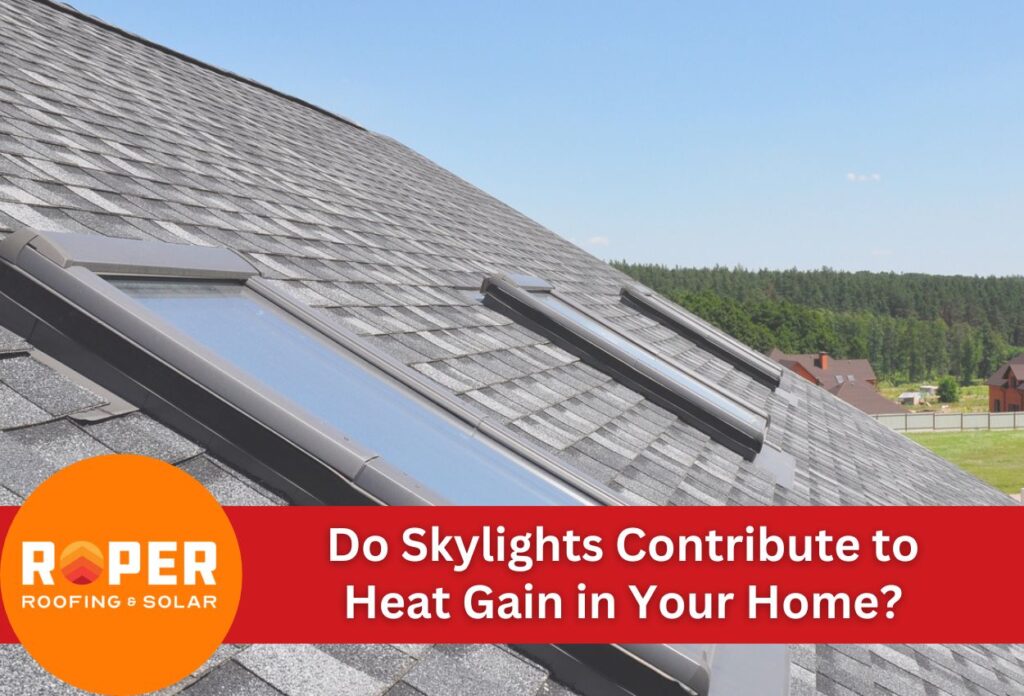
Skylights transform living spaces with natural light, but homeowners often wonder whether these installations increase indoor temperatures and cooling needs. The answer depends on several important things, including skylight design, glazing technology, and installation quality. Understanding heat transfer through glass becomes essential when evaluating skylights, as these roof-mounted windows can function as thermal bridges that allow unwanted heat exchange between indoor and outdoor environments.
Denver’s unique climate presents specific challenges for skylight performance. The high-altitude location intensifies UV exposure while dramatic temperature swings between seasons test the window’s thermal performance year-round. During the summer, poorly designed skylights can contribute significant heat gain, forcing cooling systems to work harder and increasing energy consumption, while during the winter, the opposite happens as cool air can leak in, increasing strain on your HVAC system.
Modern energy-efficient windows have advanced technology that reduces thermal transfer. Double-pane windows with low-emissivity (low-E) coatings and gas fills are standard solutions for minimizing heat gain while maintaining excellent light transmission. Window insulation properties have evolved considerably, allowing homeowners to enjoy the benefits of natural lighting without compromising indoor comfort or energy efficiency.
The key lies in selecting appropriate glazing systems and ensuring proper installation techniques that address Colorado’s challenging weather conditions and intense solar exposure patterns.
The Science Behind Heat Transfer Through Skylight Glass
Heat transfer through glass occurs through two distinct mechanisms that directly impact skylight performance.
- Conduction moves thermal energy through the glass material itself, while convection creates air movement patterns around the glazing surface.
- Solar radiation is the most significant factor, as direct overhead sun exposure amplifies heat compared to vertical windows.
These combined effects explain why skylights can contribute substantially more to indoor heat gain than traditional wall-mounted windows.
The glass type and coating can also influence thermal performance outcomes. Clear glass offers minimal resistance to heat transfer, allowing solar energy to pass freely into living spaces below. Low-emissivity coatings create invisible metallic layers that reflect infrared radiation while permitting visible light transmission. These specialized treatments dramatically improve window thermal performance by reducing unwanted heat during peak sun exposure hours.
Double-pane windows provide enhanced insulation properties through trapped air or gas-filled spaces between glass layers. This design interrupts conductive heat transfer while reducing convective air movement. Energy-efficient windows incorporating these can reduce heat gain by about 60% compared to single-pane alternatives. Advanced glazing systems combine multiple coatings with gas fills to get the best possible window insulation that maintains comfortable indoor temperatures regardless of the conditions outside.
Skylight Construction Features That Minimize Heat Gain
Double-pane windows represent the standard solution for reducing unwanted thermal transfer in skylight installations. These energy-efficient windows feature two glass layers separated by an insulated air space that creates a thermal barrier between indoor and outdoor environments. The trapped air pocket significantly reduces heat transfer through glass by interrupting conductive pathways that single-pane alternatives cannot address. Triple pane configurations offer enhanced window insulation properties through additional glass layers and insulating spaces, though the added weight needs careful structural evaluation during installation.
Advanced skylights incorporate specialized gas fills that outperform standard air-filled units. Argon and krypton gases provide superior insulating capabilities due to their density characteristics and reduced molecular movement. These inert gases enhance window thermal performance by minimizing convective heat transfer within the sealed glazing cavity. Thermal breaks are another important feature that interrupts heat conduction through frame materials, preventing metal components from creating unwanted thermal bridges.
Insulated frames complement advanced glazing systems by addressing heat transfer around skylight perimeters. Composite materials and vinyl construction offer excellent window insulation properties compared to traditional aluminum frames. These frames work alongside low-E coatings and reflective films that redirect solar radiation while maintaining natural light transmission. Professional installation ensures proper sealing and weatherization that maximizes the thermal performance benefits of these advanced skylight construction features.
Positioning and Installation Factors Affecting Thermal Performance
Skylight placement and orientation significantly influence heat gain potential throughout different seasons. South-facing installations receive the most solar exposure during the winter, which can provide beneficial passive heating but may create excessive heat gain during summer. North-facing skylights generate minimal direct solar heat transfer through glass, making them ideal for consistent natural lighting without dramatic temperature fluctuations. East and west orientations have their own challenges, with morning and afternoon sun angles creating intense heat during specific times of the day.
Skylight size directly correlates with thermal impact on indoor environments. Larger installations multiply heat transfer potential, requiring enhanced window thermal performance features to maintain comfortable conditions. Double-pane windows become essential for sizable skylight installations, as single-pane alternatives cannot provide adequate window insulation properties for substantial glazing areas. Professional sizing calculations account for roof pitch, surrounding structures, and seasonal sun angles to get the best performance out of your energy-efficient windows.
Flashing around skylight frames eliminates gaps that allow unwanted air infiltration and heat exchange. Flashing systems must integrate seamlessly with roofing materials to prevent water leaks while maintaining thermal barriers. Inadequate installation can negate the benefits of advanced energy-efficient windows, creating thermal bridges through structural connections. Professional installation ensures proper sealing, insulation placement, and structural integration that maximizes the thermal performance benefits of modern skylights while preventing common installation failures that increase heat transfer.
Seasonal Heat Gain Patterns in Colorado’s Climate
Denver’s high-altitude environment creates unique thermal challenges for skylight installations throughout the year. The city’s elevation of 5,280 feet results in thinner atmospheric protection, allowing more intense UV radiation to reach roof surfaces and get through glazing materials. This increased solar intensity amplifies heat transfer through glass, making thermal performance important for maintaining indoor comfort. The reduced air density at altitude also affects convective heat transfer patterns around skylight surfaces, requiring careful consideration of window insulation properties during product selection.
Summer presents the greatest challenge for heat gain as intense solar radiation combines with high ambient temperatures. June through August deliver peak UV exposure that tests even the most advanced energy-efficient windows. Double-pane windows with low-E coatings become essential during these periods. The sun’s high angle during the summer creates direct overhead exposure that maximizes heat transfer through skylight surfaces, often overwhelming cooling systems in homes that don’t have windows with thermal performance features.
Winter conditions offer contrasting thermal benefits as lower sun angles and reduced intensity levels minimize unwanted heat gain while providing valuable passive solar heating. The seasonal shift transforms skylights from potential thermal liabilities into energy-saving assets, as controlled solar heat gain reduces strain on your HVAC system during Colorado’s cold months.
Energy Efficiency Solutions and Heat Gain Mitigation
Several skylight accessories and treatments effectively reduce heat gain while preserving the benefits of natural lighting. Automated blinds are the most versatile solution, adjusting throughout the day to block excessive solar radiation during times of the day when the sun is at its highest and opening for the best light transmission. These systems integrate with home automation platforms to respond automatically to temperature changes and sun angles.
Ventilating skylights provide natural cooling, creating thermal chimneys that exhaust hot air from interior spaces. These operable units feature motorized opening mechanisms that activate based on temperature thresholds or manual controls. The stack effect draws cooler air through lower openings while expelling heated air through skylight vents, reducing cooling costs naturally. This passive ventilation strategy works particularly well with energy-efficient windows that minimize unwanted heat transfer through glass while maximizing beneficial air circulation.
Integration with HVAC systems needs careful planning to get both natural lighting and climate control performance. Zoning strategies isolate skylight areas from primary cooling systems, allowing targeted temperature management without affecting the comfort levels of your entire home. Smart thermostats can account for solar heat gain patterns, adjusting cooling schedules to compensate for predictable temperatures. Double-pane windows with enhanced window insulation properties reduce the integration complexity by minimizing thermal fluctuations that require system responses throughout daily cycles.
Making Informed Decisions About Skylight Heat Gain
Evaluating whether skylights will contribute to excessive heat gain requires an assessment of specific home characteristics and environmental factors. Roof pitch plays an important role in determining solar exposure angles throughout different seasons, with steeper slopes receiving more intense direct radiation during the summer. Room usage patterns also influence thermal comfort requirements, as bedrooms need consistent temperatures while living areas may tolerate greater fluctuations. Existing insulation levels within roof assemblies affect how effectively the building’s thermal envelope manages heat transfer through glass, making energy audits essential before a skylight installation.
Professional thermal assessments examine window thermal performance requirements based on room orientation, ceiling height, and existing glazing systems. Homes with adequate window insulation properties throughout may better accommodate skylights without overwhelming cooling systems. Structures with minimal insulation or older single-pane windows may require improvements before adding heat-gain sources from skylights or other gaps on your roof.
Long-term performance considerations balance immediate natural lighting benefits against ongoing thermal management requirements. Double-pane windows in skylights require periodic seal maintenance to preserve insulating gas fills and prevent air and water leaks. Glazing offers the opportunity to retrofit your existing windows, improving the existing thermal performance through replacement units or applied films. These upgrade options allow homeowners to enhance window insulation properties over time while maintaining the natural lighting advantages that make skylights a worthwhile investment.
Enhance Your Home’s Comfort with Roper Roofing & Solar
Understanding how skylights impact your Denver home’s heat gain is essential, especially with the unique climate challenges of Colorado. At Roper Roofing & Solar, we specialize in ensuring that your skylight installations do not compromise your home’s comfort or energy efficiency. Whether you’re considering new skylights or seeking to improve the efficiency of existing ones, our expert solutions in double-pane windows and advanced window insulation properties are designed to minimize heat transfer through glass, keeping your home cool and comfortable.
Don’t let concerns over heat gain deter you from enjoying the benefits of natural light. Call us today at (720) 475-1065 to discuss how we can enhance your home’s energy efficiency with the right skylight solutions tailored to the Denver climate.