

Complete Guide to Slate Roof Installation for Denver Homeowners
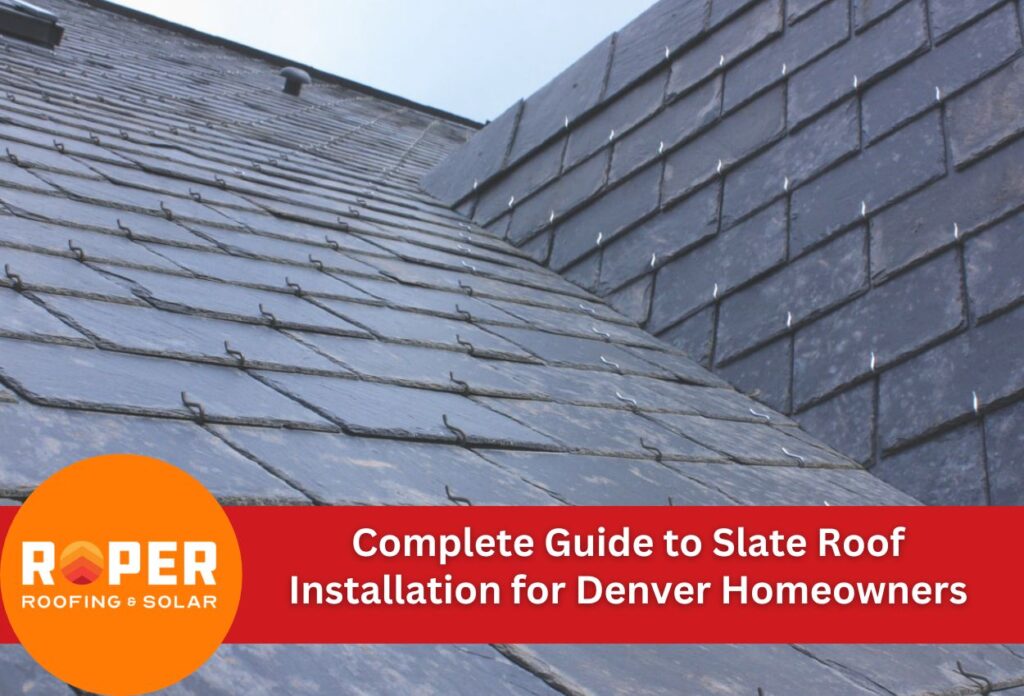
Slate roofs are one of the most durable and aesthetically striking roofing choices available to homeowners today. Natural slate roofing materials offer exceptional longevity, often lasting over 100 years when properly installed and maintained. This remarkable lifespan makes slate an attractive investment despite its higher upfront costs.
The installation process for slate roofs requires specialized knowledge and expertise that sets it apart from standard roofing projects. Professional slate roofing contractors understand how to handle these heavy, natural stone tiles and the specific techniques needed to ensure proper installation. The weight of slate requires a structural evaluation and often reinforcement before installation can begin.
Denver’s climate makes slate roofs particularly beneficial due to their resistance to extreme weather, including hail, heavy snow, and temperature changes. The natural properties of slate provide superior fire resistance and virtually no water absorption, creating an impermeable barrier against moisture infiltration.
Understanding the slate roof installation process helps homeowners plan their roofing projects. From selecting appropriate slate materials to preparing the roof structure, each step directly impacts the roof’s performance, longevity, and the frequency of future slate tile roof repair needs.
Choosing the Right Natural Slate Materials for Your Installation
Selecting appropriate natural slate roofing materials is the foundation of any successful slate roof installation project. Three primary slate varieties dominate the market, each with distinct characteristics that affect their performance and appearance. Welsh slate stands out for its exceptional density and uniform gray coloration, providing superior weather resistance that easily handles Colorado’s harsh winter conditions. Vermont slate delivers rich color variations ranging from deep greens to purples and grays, while maintaining excellent durability standards that professional slate roofing contractors consistently recommend.
Spanish slate offers an affordable alternative without compromising quality, featuring consistent thickness and reliable performance characteristics. When evaluating slate quality, several critical factors determine long-term success. Thickness consistency ensures proper installation alignment and reduces future damage. Color uniformity across tiles creates visual appeal while indicating material stability.
A structural integrity assessment involves examining each slate piece for hairline cracks, chips, or irregularities that could compromise performance. Quality slate exhibits a clear ring when tapped, indicating proper density and minimal porosity. These evaluation criteria help identify materials that will withstand Denver’s temperature extremes and precipitation patterns. Professional slate roofing contractors typically source materials from established quarries, ensuring consistent quality that minimizes slate roof maintenance needs over the installation’s lifetime.
Steps in the Slate Roof Installation Process
Roof deck preparation establishes the critical foundation that determines the success of any slate installation project. Professional slate roofing contractors begin with a structural assessment to verify that the existing framework can support the substantial weight of natural slate. Standard roof structures often require reinforcement since slate weighs significantly more than conventional materials, with some varieties reaching 800 to 1000 pounds per roofing square, or 100 square feet.
The structural evaluation includes examining rafters, trusses, and decking materials for adequate load-bearing capacity. Once structural integrity is confirmed, contractors install high-quality underlayment that creates a secondary moisture barrier. This synthetic or rubberized underlayment prevents water infiltration while allowing proper ventilation beneath the slate.
Professional installation techniques ensure long-term performance and minimize future slate tile roof repair needs. Each slate tile requires precise placement using specific fastening methods that prevent cracking while maintaining secure attachment. Copper nails or stainless steel fasteners are driven through pre-drilled holes, avoiding stress fractures that compromise tile integrity.
Flashing installation around chimneys, valleys, and penetrations requires particular attention to detail. Proper flashing techniques prevent water infiltration at vulnerable transition points where slate meets other roofing components. Professional contractors understand the thermal expansion characteristics of slate and accommodate movement through appropriate fastening spacing and overlap patterns. These meticulous installation practices directly impact slate roof maintenance requirements and overall system longevity throughout the roof’s decades of service.
Finding Qualified Slate Roofing Contractors
Identifying qualified slate roofing contractors means looking for specific credentials and experience levels that distinguish specialists from general roofing professionals. Professional slate installation requires specialized training that goes beyond standard roofing knowledge. Look for contractors who hold certifications from recognized slate industry organizations or manufacturers of natural slate roofing materials. These certifications show their commitment to proper installation techniques and ongoing education about slate-specific methods.
Experience with slate materials is essential since handling these delicate yet heavy tiles requires specialized skills. Contractors should provide documentation of previous slate roof installation projects, including before and after photographs that showcase their workmanship quality. Local licensing requirements vary, but legitimate slate roofing contractors maintain current licenses if applicable, insurance coverage, and bonding that protects homeowners throughout the installation process.
Asking questions helps evaluate potential contractors’ qualifications and approach to slate projects. Inquire about their specific experience with slate roof installations, including the number of projects completed and the types of slate they regularly work with. Ask about warranty offerings that cover both materials and workmanship, as reputable contractors stand behind their slate installations with comprehensive coverage periods.
Project timeline expectations should align with the complexity of slate work, which typically requires more time than conventional roofing projects. Qualified contractors provide realistic schedules that account for careful installation techniques rather than rushing through critical steps that could compromise long-term performance.
Maintenance and Care Tips for Your New Slate Roof
Proper slate roof maintenance begins with scheduling regular inspections to identify potential issues with the roofing system. Professional slate roofing contractors recommend annual inspections, typically conducted in spring or fall when weather conditions allow safe roof access. These evaluations focus on specific areas where roof components are most vulnerable to wear and damage.
During inspections, examine individual slate tiles for cracks, chips, or displacement that could allow water infiltration. Loose or sliding slate tiles indicate fastener failure or installation issues that require immediate attention. Check flashing around chimneys, valleys, and roof penetrations for signs of separation, corrosion, or damage that compromises the waterproof barrier. Gutter systems need close attention since proper drainage prevents water backup that can damage slate edges and the underlying roof structure.
Preventive care practices protect natural slate roofing materials from unnecessary stress and damage. Snow removal requires careful techniques that avoid impact damage to slate tiles. Use plastic snow rakes rather than metal tools, and remove snow gradually to prevent sudden load shifts that could crack tiles. Moss and algae growth accelerate slate deterioration by retaining moisture against the surface. Regular cleaning with appropriate solutions prevents organic buildup without damaging the slate surface.
Professional slate tile roof repair services handle complex maintenance issues that require specialized knowledge and tools. Attempting DIY repairs on slate installations often creates additional damage that increases overall costs and compromises the system’s integrity.
When Slate Roof Repair Becomes Necessary
Recognizing when slate roof repair becomes necessary helps homeowners address problems before structural damage develops. Common slate roof problems typically manifest through visible signs that indicate immediate attention is required. Cracked or broken slate tiles represent the most frequent repair need, often resulting from impact damage, thermal expansion, or natural aging of the materials. These damaged tiles compromise the waterproof barrier and allow moisture infiltration that can damage the underlying roof structure.
Damaged flashing around chimneys, valleys, and roof penetrations also signals that repairs are needed. Flashing failures account for the majority of water infiltration issues in natural slate roofing systems. Corroded or separated flashing allows water to bypass the slate tiles entirely, potentially causing extensive damage to the roof decking and interior structures before becoming visible to homeowners.
Structural issues require immediate professional attention from experienced slate roofing contractors. Sagging roof sections indicate inadequate support for the substantial weight of slate materials, while loose or sliding tiles suggest fastener failure or installation problems. Snow guards that become loose or damaged fail to prevent dangerous ice and snow slides that can cause property damage or injury.
Professional repair techniques ensure long-term solutions while DIY attempts often worsen existing problems. Slate tile roof repair requires specialized tools and knowledge about proper fastening methods, slate compatibility, and weatherproofing techniques. Professional slate roofing contractors possess the expertise to match replacement materials with existing slate, ensuring repairs blend seamlessly with the original installation.
Planning for Future Slate Roof Replacement Needs
Understanding when slate roof replacement becomes inevitable helps homeowners make long-term plans for their roofing investment. Even the most durable natural slate roofing materials eventually show signs of age-related deterioration that indicate replacement is needed. Widespread slate tile damage affecting more than 30% of the roof surface often makes replacement more economical than extensive repairs. Multiple broken tiles, especially when accompanied by underlying structural concerns, signal that the roof system has reached the end of its effective service life.
Structural deterioration presents serious safety concerns that require immediate replacement consideration. Sagging roof sections, compromised support beams, or extensive water damage to decking materials indicate problems beyond the slate surface itself. Age-related factors also influence replacement timing, as even premium slate installations approaching 75 to 100 years may need more care and have reduced weather resistance despite proper slate roof maintenance throughout their service life.
Professional slate roofing contractors help homeowners develop realistic replacement timelines based on current roof conditions and performance trends. Quality slate roof installation combined with consistent maintenance significantly extends service life and provides predictable replacement scheduling. Budgeting for eventual replacement allows homeowners to plan major expenses years in advance rather than facing emergency replacement situations. Regular professional assessments help identify when repair costs begin exceeding replacement value, ensuring homeowners make financially sound decisions about their slate roofing investment while maintaining adequate weather protection for their property.
Trust Roper Roofing & Solar with Your Slate Roof Installation
Choosing the right contractor for your slate roof installation is essential for your roof’s long-term performance, especially in Denver. At Roper Roofing & Solar, we specialize in high-quality slate roof installations that not only enhance the aesthetic appeal of your home but also provide unmatched durability. Our team of certified experts is equipped with the knowledge and skills needed to handle any slate roofing project, ensuring precision in every step of the installation process.
If you’re ready to invest in a slate roof that will protect and beautify your home for decades, don’t hesitate to call us today at (720) 475-1065. Let Roper Roofing & Solar help you make the best roofing decision for your home!