

Essential Roof Maintenance Strategies Post Solar Panel Installation
Key Points:
- Specialized roof maintenance after solar panel installation is crucial to protect your roof’s integrity and solar investment.
- Thorough pre-installation planning, including a roof inspection, prevents future complications and ensures long-term roof health.
- Implement regular post-installation inspections, manage water flow, and promptly address professional warning signs for effective roof upkeep.
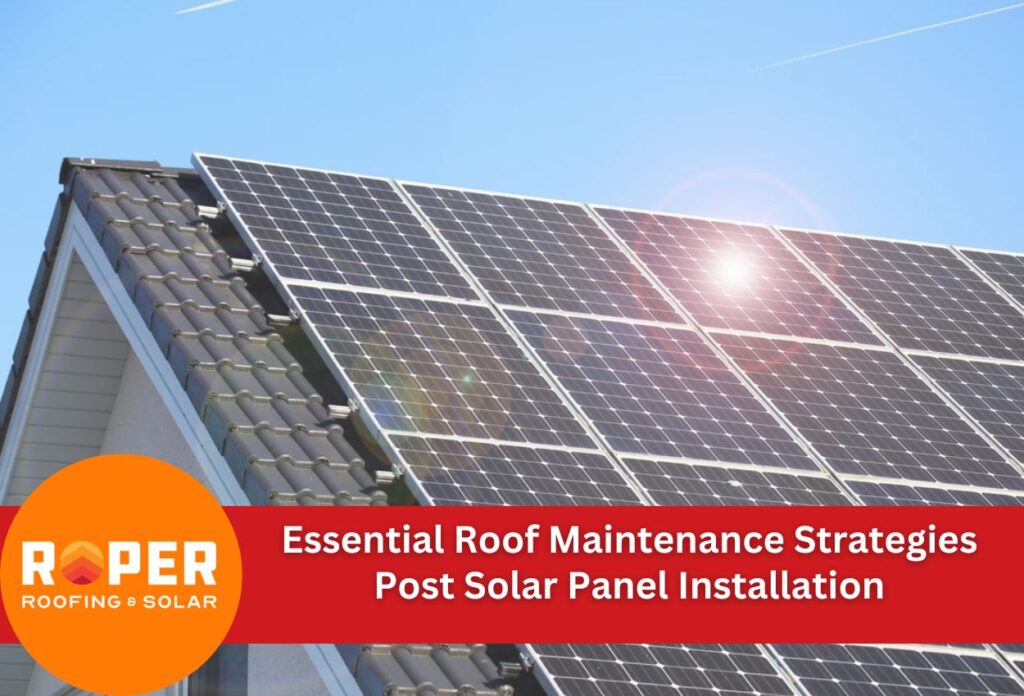
Installing solar panels transforms your roof from a simple protective barrier into a complex system that demands specialized maintenance. Traditional methods of roofing care often fall short when solar panels equipment becomes part of the equation, creating unique challenges that homeowners must address to protect their investment.
Roof maintenance after solar panel installation requires understanding how mounting systems, wiring, and panels are impacting your roof’s vulnerability to weather damage, debris accumulation, and structural stress. The weight distribution, penetration points, and altered drainage patterns created during installation change how your roof responds to environmental conditions.
The relationship between proper roof upkeep and solar panel system performance creates a critical dependency that many property owners overlook. When maintaining a roof with solar panels becomes neglected, both the roofing materials and energy production suffer. A damaged roof that goes unnoticed can lead to water infiltration around mounting points, while poor drainage can reduce panel efficiency and accelerate wear on roofing components.
Preventing solar panel roof damage starts with recognizing that your roof now operates as an integrated system where each component affects the others, making proactive maintenance essential for long-term success.
Pre-Installation Planning That Impacts Long-Term Roof Health
Proper planning before solar panel installation significantly determines the success of maintaining a roof with solar panels for years to come. A comprehensive solar panel roof inspection conducted before installation identifies structural weaknesses, aging materials, and drainage issues that could become expensive problems once panels are mounted and access becomes limited.
Addressing roofing concerns during the planning phase prevents situations where roof repairs require expensive panel removal and reinstallation. Evaluating shingle condition, flashing integrity, and structural capacity ensures the roof can support solar equipment without compromising its protective function. This proactive approach to roof care post solar installation begins before the first panel touches the roof.
Strategic collaboration with solar installers during planning minimizes future maintenance complications through thoughtful mounting placement and access considerations. Proper spacing between panels allows for easier roof maintenance, while strategic positioning of mounting points avoids critical drainage areas and maintains structural integrity.
Establishing Your Post-Installation Inspection Schedule
Developing a systematic approach to inspections of your roof and solar panels requires creating a structured timeline that addresses both immediate post-installation concerns and ongoing maintenance needs. Regular visual inspections should focus on the sturdiness of mounting points, flashing condition, and debris accumulation around panel edges without requiring homeowners to climb onto the roof’s surface.
Effective roof care post solar installation involves establishing monthly visual checks from ground level using binoculars to examine visible mounting hardware, panel positioning, and obvious signs of damage or displacement. These routine observations help identify issues before they compromise the structure of the roof or the system’s performance.
Seasonal inspection priorities become particularly important for maintaining a roof with solar panels in Colorado’s diverse climate conditions. Spring inspections should focus on winter damage, such as the impact of ice dams around panels and examining mounting points for damage from freeze-thaw expansion. Summer evaluations concentrate on heat-related expansion effects and storm damage assessment.
Fall maintenance includes removing debris from panel edges and gutters, along with evaluating flashing conditions before winter weather arrives. When winter comes, it’s important to ensure that the weight of snow doesn’t damage the roof or affect drainage systems.
Managing Water Flow and Drainage With Solar Panels
Solar panel installations fundamentally alter how water moves across roofing surfaces, creating new drainage patterns that require careful monitoring and maintenance. Water runoff that previously flowed directly to gutters now encounters panel edges, mounting rails, and equipment that can redirect flow into concentrated streams or create pooling areas that stress roofing materials.
Maintaining a roof with solar panels demands regularly assessing how water behaves around the edge of panels and mounting systems. Heavy rainfall can overwhelm gutters when concentrated runoff from large panel setups channels water into specific areas rather than distributing it evenly across the roof’s edge. This concentrated flow may require gutter capacity to be evaluated and potential upgrades to handle increased volume at specific points.
Winter weather conditions in Denver create additional drainage challenges for roof care post solar installation. Snow that’s accumulated against the edges of panels can create ice dams when melting water refreezes, particularly where panels create shade that prevent even melting. These ice formations can force water under shingles and around solar panel mounting points, making roof damage prevention a year-round priority.
Effectively maintaining solar panels includes ensuring downspouts remain clear and properly positioned to handle altered water flow patterns. Regular solar panel roof inspections should verify that drainage modifications made during installation continue functioning properly and that seasonal debris buildup does not cause water to back up around panel installations.
Protecting Roof Materials Around Panel Mounting Systems
Maintaining proper sealing around solar panel mounting hardware represents one of the most critical aspects of roof care post solar installation. The points where mounting systems attach to the roof creates potential entry points for water that can damage both the roofing materials and interior spaces. Regular solar panel roof inspections should focus on examining the condition of sealant around each mounting point, looking for cracks, shrinkage, or separation that could allow moisture penetration.
Detecting leaks early requires understanding the warning signs that appear around mounting hardware before significant damage occurs. Discoloration on roofing materials near mounting points, rust stains on flashing, or slight lifting of shingles around attachments indicate potential seal failure that demands immediate attention. These symptoms often appear months before interior water damage becomes visible, making proactive roof upkeep for solar panels essential for preventing costly repairs.
Thermal expansion and contraction cycles continuously stress both roofing materials and solar panel attachments throughout seasonal temperature changes. Metal mounting rails expand during hot summer days and contract during cooler nights, creating movement that can gradually loosen connections or stress sealants. Similarly, roofing materials experience their own expansion patterns that may not align with solar equipment movement, potentially creating stress points that compromise sealing integrity over time. Preventing solar panel roof damage requires regular monitoring of these connection points to ensure mounting systems remain secure while maintaining flexible seals that accommodate thermal movement without failing.
Professional Maintenance Tasks You Cannot Skip
Certain aspects of maintaining a roof with solar panels require professional expertise that extends beyond typical homeowner capabilities. While routine visual inspections and basic debris removal can be handled independently, electrical connections, structural assessments, and warranty-related maintenance must be performed by qualified technicians to ensure safety and preserve coverage.
Professional solar panel roof inspection becomes essential when mounting hardware shows signs of loosening, electrical components exhibit performance issues, or roofing materials around installations require repair or replacement. These situations demand specialized knowledge of both electrical systems and roofing techniques that only certified professionals possess. Attempting DIY repairs on these components can void warranties and create safety hazards.
Coordinating maintenance schedules between roofing contractors and solar technicians prevents conflicts while ensuring comprehensive care for both systems. Professional roof care post solar installation requires occasionally having specialists gain access to necessary areas without compromising the other system’s structural integrity. This coordination becomes particularly important when preventing solar panel roof damage requires temporarily removing the panels to repair damaged portions of the roof.
Establishing relationships with qualified professionals who have both roofing and solar panel knowledge ensures that complex maintenance tasks receive proper attention while maintaining all applicable warranties and safety standards.
Warning Signs That Require Immediate Professional Attention
Recognizing critical signs of damage that demand urgent professional intervention can prevent minor issues from becoming catastrophic failures that compromise both the roof and the performance of the solar panels. Visible water stains on interior ceilings near panel installations signal immediate seal failure around mounting points that require immediate attention to prevent extensive structural damage and electrical hazards.
Electrical warning signs during a solar panel roof inspection include sparking, burning odors, or visible corrosion on electrical connections that create the risk of fire and system failures. These conditions require immediate shutdown of solar systems and professional electrical assessment before further operation. Similarly, loose or shifting panels indicate mounting system failure that poses safety hazards and can cause cascading damage to surrounding roofing materials.
Structural concerns manifest through sagging roof sections, cracked or displaced shingles around mounting areas, or visible separation between roofing components and solar hardware. These conditions suggest that the roof can no longer safely support the solar installation and require immediate professional evaluation to prevent collapse or catastrophic water infiltration.
Emergency situations for maintaining a roof with solar panels include storm damage that displaces panels or mounting systems, creating exposed penetrations that allow immediate water intrusion. High winds can lift panel edges or damage mounting rails, while hail impact can crack both panels and underlying roofing materials. When preventing damage shifts to emergency response, immediate professional intervention protects against escalating repair costs and safety hazards that threaten both property and occupants.
Denver’s Premier Roof Care for Homes with Solar Panels
Maintaining your roof after installing solar panels is crucial for ensuring the longevity of both your roof and solar investment. At Roper Roofing & Solar, we specialize in comprehensive roof maintenance that keeps your home protected and your panels functioning efficiently. Our expert team understands the unique challenges that come with solar panel roof maintenance in Denver’s variable climate.
Don’t wait for small issues to become expensive repairs. Regular inspections and maintenance are key to safeguarding your home. To schedule a professional roof inspection or to discuss a maintenance plan tailored to your specific needs, call Roper Roofing & Solar today at (720) 475-1065. Protect your roof and enhance your solar panel performance with our expert services.