

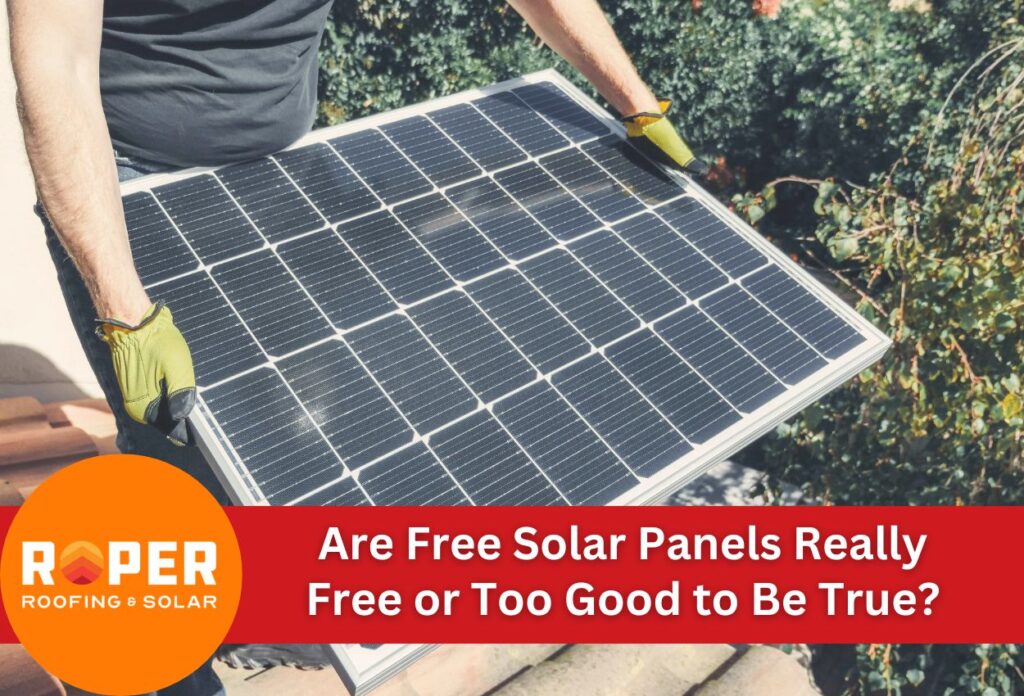
Advertisements promising free solar panels flood mailboxes and social media feeds across the country, leaving many homeowners wondering if these offers are legitimate opportunities or elaborate scams. These marketing campaigns typically feature bold claims about eliminating electricity bills and installing solar systems at no upfront cost, creating an irresistible proposition for families struggling with rising energy expenses.
The reality behind free solar panel offers is more complex than the advertisements suggest. Most legitimate solar companies do provide pathways to solar installation without immediate out-of-pocket expenses through solar leasing agreements and various solar panel financing options. However, the term “free” can be misleading, as these arrangements often involve long-term contracts, monthly payments, or ownership transfers that homeowners may not fully understand.
Solar panel installation scams do exist alongside legitimate programs, making it crucial for consumers to distinguish between reputable solar companies and fraudulent ones. Understanding how these offers actually work helps homeowners make better decisions about their solar energy investments while avoiding expensive mistakes.
For homeowners, the key is recognizing that while solar panels themselves might not require upfront payment, the electricity they generate typically comes with ongoing financial obligations that extend far beyond the initial installation.
How Free Solar Panel Programs Actually Work Behind the Scenes
Understanding the mechanics behind free solar panel offers reveals why legitimate solar companies can afford to make these seemingly generous propositions. These programs operate through three primary business models that eliminate upfront costs while ensuring company profitability over time.
Solar leasing agreements are one of the most common approaches, where homeowners essentially rent panels installed on their property. The solar company retains ownership of the equipment while customers pay monthly lease fees that are typically lower than previous electricity bills. Power purchase agreements function similarly, but homeowners pay for the actual electricity generated rather than leasing the equipment itself.
Third-party financing arrangements allow qualified homeowners to obtain solar installations through loans with favorable terms. These solar panel financing options often feature low interest rates and extended repayment periods, making monthly payments manageable while transferring ownership to the homeowner eventually.
Government incentives also play a role in making these business models profitable for solar companies. Federal tax credits, state rebates, and local utility incentives significantly reduce the actual cost of solar panel installations. Legitimate solar companies factor these savings into their pricing structures, allowing them to offer attractive terms to customers while maintaining healthy profit margins.
These financial mechanisms explain how reputable companies can provide free solar panels without operating at a loss, distinguishing them from solar panel installation scams that promise unrealistic benefits.
Red Flags That Signal Potential Solar Panel Scams
High-pressure sales tactics are one of the most obvious warning signs of solar panel installation scams. Fraudulent companies often employ door-to-door solicitors who create artificial urgency by claiming limited-time offers that expire immediately or suggesting that government incentives will disappear within days. These representatives frequently refuse to leave contact information or provide written estimates, instead demanding immediate decisions from unsuspecting homeowners.
Unrealistic promises about free solar panel offers should raise immediate suspicions. Scammers often guarantee the complete elimination of electricity bills without explaining the underlying lease terms or financing arrangements. Claims of earning thousands of dollars monthly from excess energy production typically indicate fraudulent operations, as trustworthy solar companies provide realistic projections based on actual home energy consumption and local utility rates.
Suspicious contract terms and payment demands are additional red flags that homeowners must recognize. Legitimate solar companies never require substantial upfront payments for truly free installations, while scammers often demand cash deposits or full payment before beginning work. Companies that refuse to provide licensing credentials, insurance documentation, or verifiable customer references likely operate outside legal boundaries.
Solar leasing agreements from reputable providers include clear terms, cancellation policies, and maintenance responsibilities. Fraudulent operators typically present confusing contracts with hidden fees, automatic renewal clauses, or unreasonable penalties for early termination. Homeowners should always verify company credentials through state licensing boards and Better Business Bureau ratings before signing any agreements.
Hidden Costs and Fine Print in Solar Panel Agreements
Solar contracts often contain numerous expenses that untrustworthy sales representatives fail to mention during initial presentations, transforming seemingly low-cost solar panel offers into expensive long-term commitments. These hidden charges can significantly reduce the overall financial benefits that homeowners see from their solar investments.
Maintenance fees are a common surprise expense buried within solar leasing agreements. While legitimate solar companies typically handle basic upkeep, many contracts specify additional charges for system repairs, panel cleaning, or inverter replacements that occur outside normal wear and tear. Installation charges may also resurface through permitting fees, electrical upgrades, or roof modifications that become apparent only after initial agreements are signed.
System monitoring costs add another layer of ongoing expenses that many solar companies include as mandatory services. These monthly fees cover performance tracking and remote diagnostics, but homeowners often discover these charges only when reviewing their first bills after installation.
Long-term financial commitments create the most significant hidden costs through escalation clauses that increase monthly payments annually. Early termination penalties can reach tens of thousands of dollars, while property transfer restrictions complicate home sales by requiring buyers to assume existing solar contracts. These agreements may actually decrease property values if potential buyers view the solar commitments as liabilities rather than benefits.
Understanding these concealed expenses helps distinguish between solar panel installation scams and transparent offers from reliable solar companies that clearly disclose all associated costs upfront.
Questions to Ask Before Signing Any Solar Panel Contract
Protecting your investment requires asking specific questions about a company’s credentials before committing to any solar arrangement. Homeowners should request proof of current licensing, bonding, and insurance coverage, then verify this information independently through state regulatory agencies. Inquiring about years in business, local installation experience, and customer references helps distinguish legitimate solar companies from fly-by-night operators targeting unsuspecting consumers.
Equipment warranties and system performance guarantees should be thoroughly examined during contract negotiations. Quality solar installations typically include separate warranties for panels, inverters, and workmanship, each with different terms and coverage periods. Understanding maintenance responsibilities prevents future disputes about who handles repairs, cleaning, or system monitoring throughout the agreement duration.
Financial transparency is critical when evaluating solar panel financing options or solar leasing agreements. Homeowners must understand total costs over the contract lifetime, including monthly payments, escalation rates, and any additional fees. Ownership details determine who benefits from tax incentives, rebates, and potential increases in property value that solar installations may provide.
Insurance requirements often surprise homeowners who discover their existing policies may need expensive modifications to cover leased equipment. Questions about company stability and what happens if the solar provider goes out of business protect consumers from being left with orphaned systems. Free solar panel offers may seem attractive initially, but understanding these contractual details prevents expensive mistakes that could plague homeowners for decades.
How to Find Legitimate Solar Companies in Denver
Protecting yourself from solar panel installation scams requires thorough research into company credentials and local reputation before considering any free or low-cost offers. Colorado requires a general electrician license for any electrical work, including installing and setting up solar panels. Homeowners should verify current licensing status through the Colorado Department of Regulatory Agencies and confirm that prospective contractors carry appropriate bonding and insurance coverage for solar installations.
Better Business Bureau ratings give insights into company practices and customer satisfaction. Legitimate solar companies typically maintain strong ratings and respond professionally to any complaints or concerns raised by previous clients. Online customer reviews across multiple platforms show a company’s service quality, installation practices, and long-term support that help distinguish reputable providers from questionable operators targeting Denver homeowners.
Obtaining multiple quotes allows homeowners to easily compare solar panel financing options and contract terms between different providers. Reputable contractors welcome questions about their installation processes, equipment warranties, and maintenance policies without applying pressure tactics. Verifying contractor references through direct contact with previous customers provides firsthand accounts of installation quality and ongoing service reliability.
Understanding local permitting processes helps identify contractors familiar with Denver building codes and utility interconnection requirements. Experienced local installers navigate these regulatory requirements efficiently while ensuring installations meet all safety standards. Companies unfamiliar with local procedures may encounter delays, additional costs, or compliance issues that ultimately impact system performance and homeowner satisfaction with their solar investment.
Making Smart Decisions About Your Solar Panel Investment
Choosing the right solar financing approach requires looking at your specific financial situation and long-term energy goals. Each solar panel financing option has advantages and drawbacks that affect both immediate affordability and potential savings over time.
Cash purchases offer the highest long-term returns by eliminating monthly payments and maximizing federal tax credit benefits. However, this approach requires substantial upfront investment that many homeowners cannot afford. Solar loans provide ownership benefits without large initial expenses, allowing homeowners to claim tax incentives while spreading costs over manageable monthly payments.
Solar leasing agreements and power purchase agreements minimize upfront costs but transfer ownership benefits to third-party companies. These arrangements typically see lower overall savings compared to owning the panels, though they eliminate maintenance responsibilities and system performance risks. Understanding your current electricity usage patterns helps determine whether projected savings justify the chosen financing method.
Legitimate solar companies provide detailed financial estimates based on your specific energy consumption and local utility rates. These calculations should account for seasonal usage variations and future electricity rate increases that affect long-term savings potential. Avoiding solar panel installation scams requires comparing these projections against realistic market expectations rather than accepting inflated promises about energy bill elimination.
The best solar investment balances immediate affordability with long-term financial benefits while ensuring you partner with reputable providers who stand behind their installations and service commitments throughout the contract.
Discover Reliable Solar Solutions with Roper Roofing & Solar
If you’re exploring solar energy, it’s crucial to partner with a trustworthy provider that ensures transparency and value. At Roper Roofing & Solar, we pride ourselves on offering honest, clear-cut solar solutions without hidden costs or misleading terms. Don’t let the allure of ‘free solar panels’ deceive you. Many of these offers come with undisclosed terms that could negatively affect your finances and property value.
Before signing any contract, consider calling us at Roper Roofing & Solar at (720) 475-1065. We’ll provide you with all the information you need about solar panel installation, including financing options and realistic price ranges. Let us help you make the best decision about your solar investment. Choose a partner you can trust — choose Roper Roofing & Solar for your energy needs.