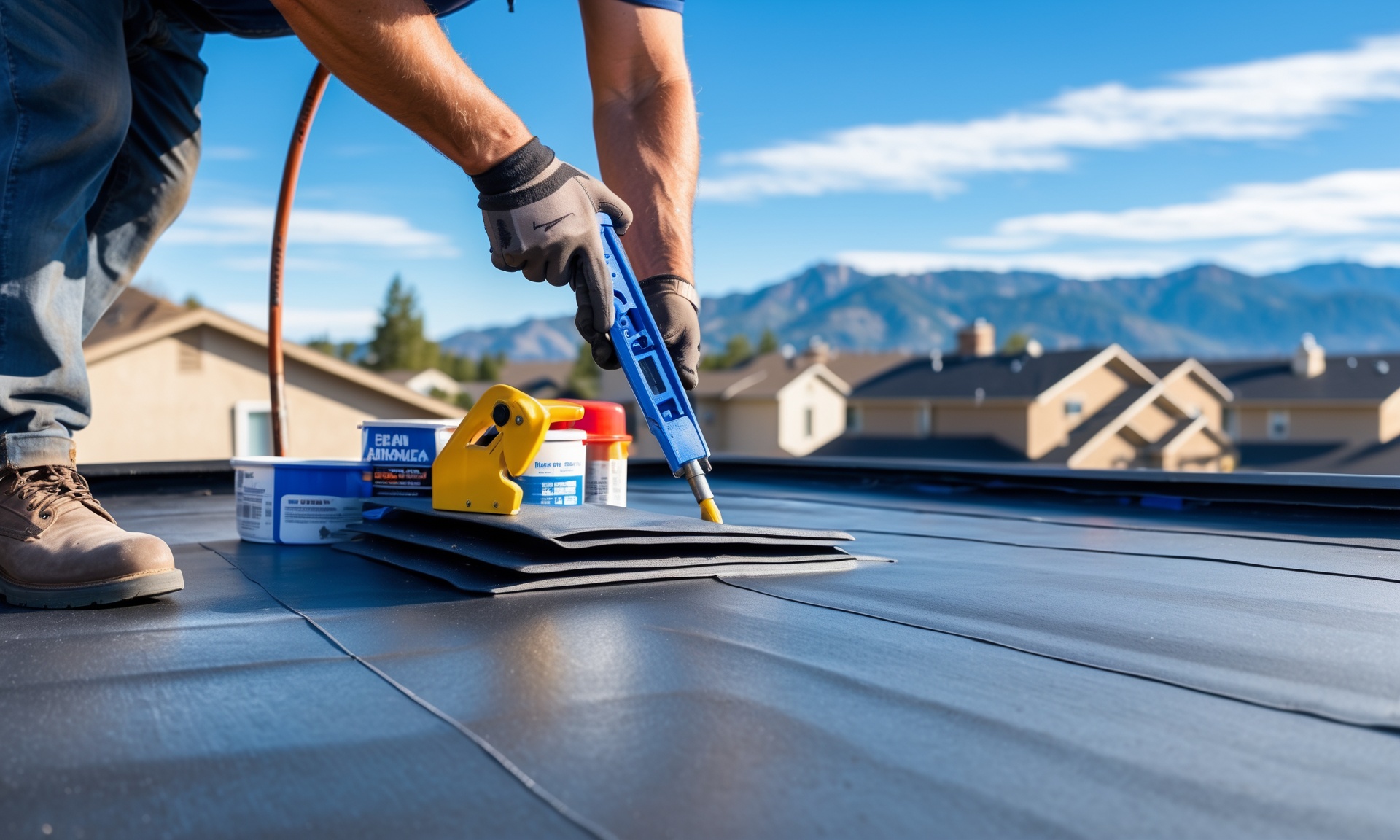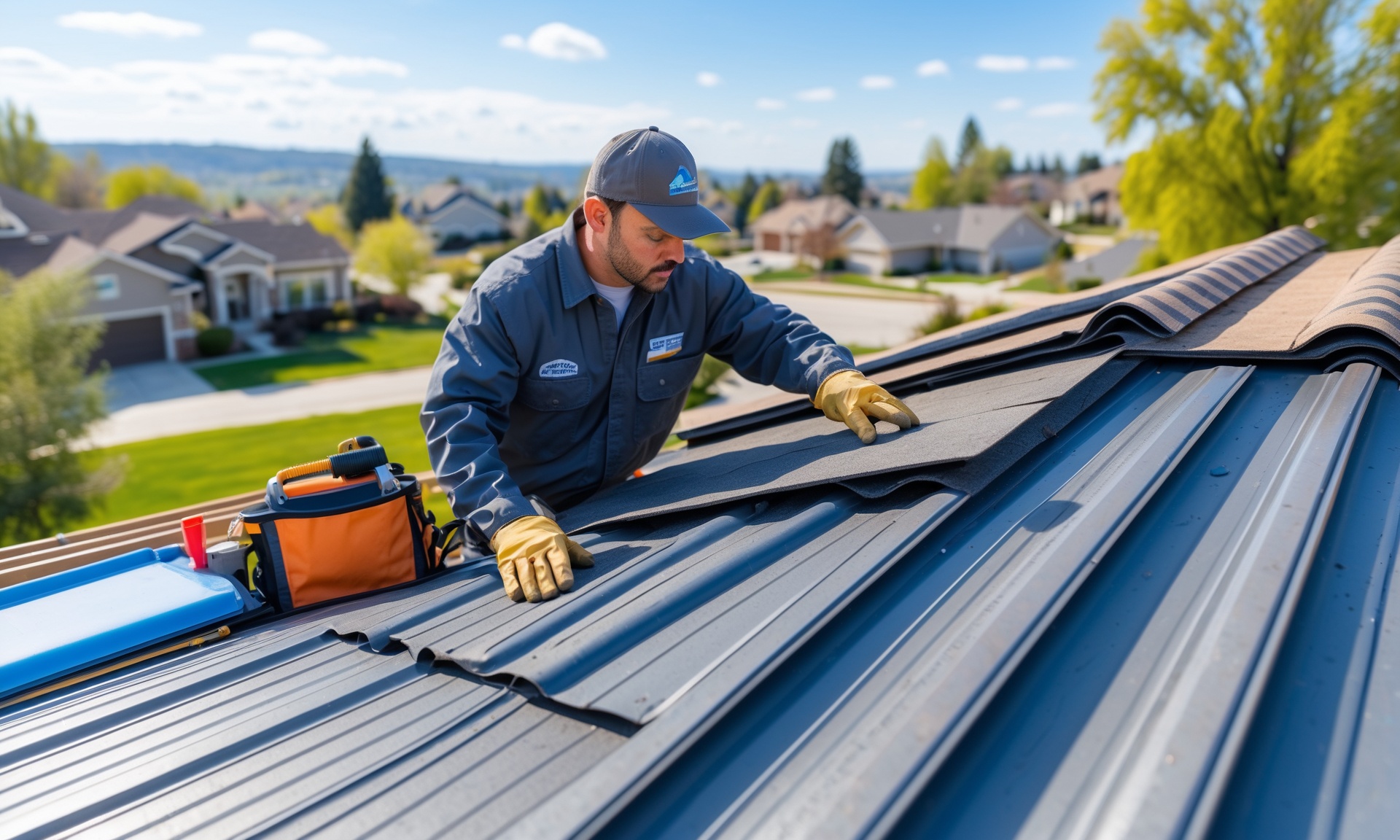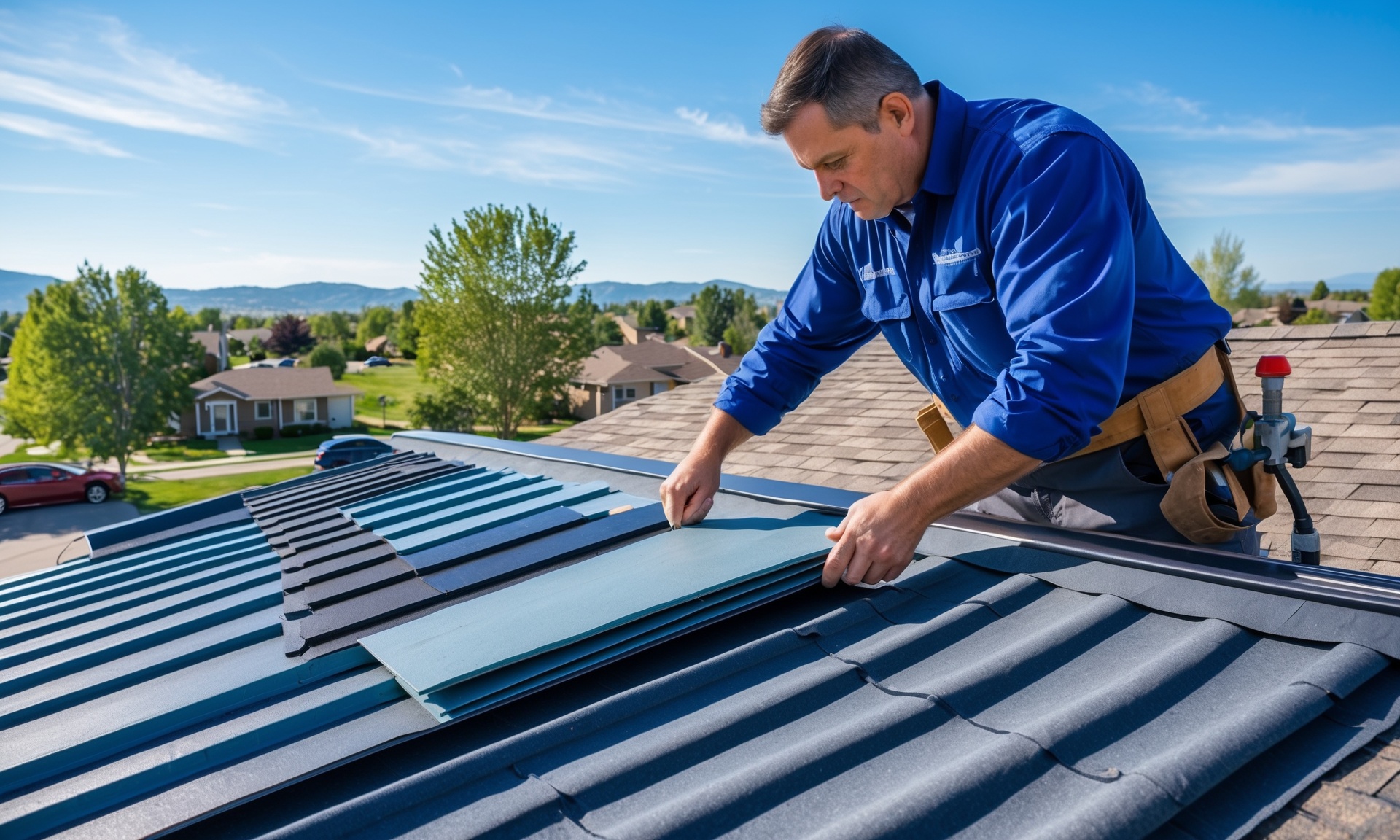




For business owners and property managers, the roof over your head is more than just a structural necessity, it’s a critical investment in the safety, efficiency, and long-term value of your commercial property. Whether you’re running a retail shop, managing an office complex, or developing a new industrial site, choosing the right commercial roofing contractor Wheat Ridge CO can make all the difference in your building’s performance and your peace of mind. With unpredictable weather, fluctuating temperatures, and the unique demands of commercial spaces in this region, it’s essential to understand the full spectrum of roofing solutions available. In this comprehensive guide, we’ll explore the best commercial roofing options, maintenance strategies, and decision-making tips tailored for businesses in the area. From material selection to energy efficiency, and from preventative care to innovative roofing technologies, you’ll discover actionable insights to help protect your investment and support your business’s success. Let’s dive into what makes commercial roofing such a vital consideration for local enterprises, and how to ensure your property is covered, rain or shine.
Why Commercial Roofing Matters for Local Businesses
A commercial roof does much more than keep the rain out. It impacts your building’s energy efficiency, influences curb appeal, and can even affect your insurance premiums. For small business owners and developers, a well-maintained roof helps avoid costly disruptions, protects inventory, and creates a safe environment for employees and customers. In the competitive landscape of this community, reliable roofing is a sign of professionalism and attention to detail. The right system can also contribute to sustainability goals and long-term cost savings. When you partner with experienced professionals like Roper Roofing, you gain access to expertise that goes beyond simple repairs, helping you make informed decisions about materials, installation, and maintenance that align with your business objectives.
Understanding the Commercial Roofing Contractor Selection Process
Selecting a contractor for your commercial roofing project is a major decision. Beyond credentials and licensing, it’s crucial to evaluate a contractor’s experience with projects similar to yours, their familiarity with local building codes, and their ability to offer tailored solutions. Ask about their safety protocols, warranty offerings, and communication practices. Transparency throughout the bidding and installation process is key to avoiding surprises. Resources like How to Choose the Right Commercial Roofing Contractor in Wheat Ridge, CO can help you navigate this process, ensuring you select a partner who understands the unique challenges of commercial properties in the region. A thorough vetting process leads to better outcomes, fewer delays, and a roof that stands the test of time.
Exploring Modern Roofing Materials and Their Benefits
Today’s commercial roofing market offers a diverse range of materials, each with distinct advantages. Thermoplastic membranes like TPO and PVC are prized for their energy efficiency and resistance to chemicals and UV exposure. EPDM rubber roofs offer durability and flexibility, making them ideal for large, flat surfaces. Metal roofing systems, meanwhile, provide exceptional longevity and can be customized for both functional and aesthetic requirements. Modified bitumen and built-up roofing (BUR) remain popular for their proven track record in commercial applications. The choice of material should reflect your building’s structural needs, climate considerations, and long-term maintenance expectations. For a comprehensive overview of available options, check out Top Commercial Roofing Contractor Services in Wheat Ridge, CO. Making an informed selection now can save you significant costs and headaches over the life of your roof.
Energy Efficiency and Sustainability in Commercial Roofing
Energy-efficient roofing isn’t just a trend, it’s a smart business decision. Reflective membranes, cool roof coatings, and green roofing systems can reduce heat absorption, lowering your building’s cooling costs during the summer months. Many local businesses are also exploring solar-ready roofing solutions, which allow for easy integration of photovoltaic panels. Beyond cost savings, these eco-friendly choices demonstrate a commitment to sustainability, which can enhance your brand reputation and appeal to environmentally conscious clients. When considering upgrades or new installations, ask your contractor about materials and designs that support energy efficiency and align with your company’s sustainability goals. Incentives and rebates may also be available for energy-efficient improvements, further boosting your return on investment.
Preventative Maintenance: Protecting Your Investment
A proactive approach to roof maintenance can dramatically extend the lifespan of your commercial roofing system. Regular inspections help identify minor issues before they escalate into costly repairs, while scheduled cleanings prevent debris buildup and water pooling. Maintenance plans often include checks for membrane integrity, flashing condition, and drainage performance. By partnering with a reputable contractor for routine upkeep, you minimize the risk of unexpected leaks and structural damage. This not only protects your property but also helps you budget more effectively for future repairs or replacements. Remember, a small investment in maintenance today can prevent major expenses down the line.
Navigating Repairs Versus Replacement Decisions
Every business owner faces the question: Should I repair or replace my commercial roof? The answer depends on the extent of the damage, the age of your existing system, and your long-term plans for the property. Minor leaks, punctures, or flashing issues can often be addressed with targeted repairs. However, widespread membrane failure, recurring leaks, or structural concerns may indicate it’s time for a full replacement. An experienced contractor will provide a thorough assessment and explain your options, including the potential return on investment for each path. Weigh the costs, expected lifespan, and potential disruptions to your business when making this decision. Timely action can prevent further damage and protect your bottom line.
Innovative Roofing Technologies for Business Properties
Advancements in roofing technology are transforming how commercial properties manage energy, maintenance, and safety. Smart roof monitoring systems use sensors to track moisture levels, temperature fluctuations, and structural movement in real time, allowing for early detection of issues. Self-healing membranes and advanced coatings can automatically seal minor punctures, reducing the need for frequent repairs. Drone inspections are becoming more common, offering detailed aerial assessments without disrupting daily operations. These innovations not only improve roof performance but also provide valuable data to inform future maintenance and capital planning. When evaluating roofing solutions, ask your contractor about the latest technologies that can give your business a competitive edge.
Understanding Local Weather and Its Impact on Roofing
The region’s unique climate presents distinct challenges for commercial roofs. From intense sun exposure and rapid temperature swings to heavy snow and hail, roofing systems must be designed to withstand a wide range of conditions. Material selection, insulation quality, and drainage design all play a role in how well your roof performs year-round. Local contractors are familiar with these environmental factors and can recommend solutions that balance durability, energy efficiency, and cost. Regular inspections after major weather events are also crucial, as early detection of storm damage can prevent more extensive repairs. By understanding the local climate’s impact, you can make informed choices that keep your property protected in every season.
Commercial Roofing Cost Considerations and Budget Planning
Budgeting for a commercial roofing project requires a clear understanding of both upfront and long-term costs. Factors such as material type, roof size, installation complexity, and warranty coverage all influence the final price. Maintenance and repair expenses should also be factored into your financial planning. To help you compare your options, here’s a table outlining the typical features and benefits of popular commercial roofing systems:
| Roofing Material | Typical Lifespan | Key Benefits |
|---|---|---|
| TPO (Thermoplastic Polyolefin) | 20-30 years | Energy efficient, UV resistant, cost-effective |
| EPDM (Ethylene Propylene Diene Monomer) | 20-25 years | Durable, flexible, easy to repair |
| Metal Roofing | 30-50 years | Long lifespan, recyclable, low maintenance |
| Modified Bitumen | 15-25 years | Strong, weather resistant, suitable for flat roofs |
| Built-Up Roofing (BUR) | 15-30 years | Multi-layer protection, proven performance |
Discuss your budget and goals with your contractor early in the process to ensure you select a system that delivers the best value for your business. Remember, the lowest initial price may not always result in the lowest total cost of ownership over time.
The Importance of Local Expertise and Community Support
Working with a contractor who understands the local market offers significant advantages. Local experts are familiar with regional building codes, permitting processes, and climate challenges specific to the area. They have established relationships with suppliers and can often respond quickly to urgent repair needs. Supporting local businesses also strengthens the community, as reputable contractors are invested in maintaining their reputation and delivering quality service. When evaluating potential partners, look for those with strong local references and a track record of successful commercial projects in the neighborhood. This ensures you receive not only technical expertise but also personalized service that meets your unique needs.
Final Thoughts
Choosing the right commercial roofing solution is a pivotal decision for any business or property owner. From understanding modern materials and energy-saving technologies to selecting a trusted contractor and planning for long-term maintenance, every step plays a role in protecting your investment. By prioritizing quality, local expertise, and proactive care, you set your business up for years of reliable performance and peace of mind. Whether you’re planning a new installation, navigating repairs, or simply looking to optimize your current roof, the right approach will help your property weather any storm. Stay informed, work with professionals who know the community, and remember that your roof is more than just a cover, it’s a cornerstone of your business’s success.