


Multi Family Roofing in Aurora, CO
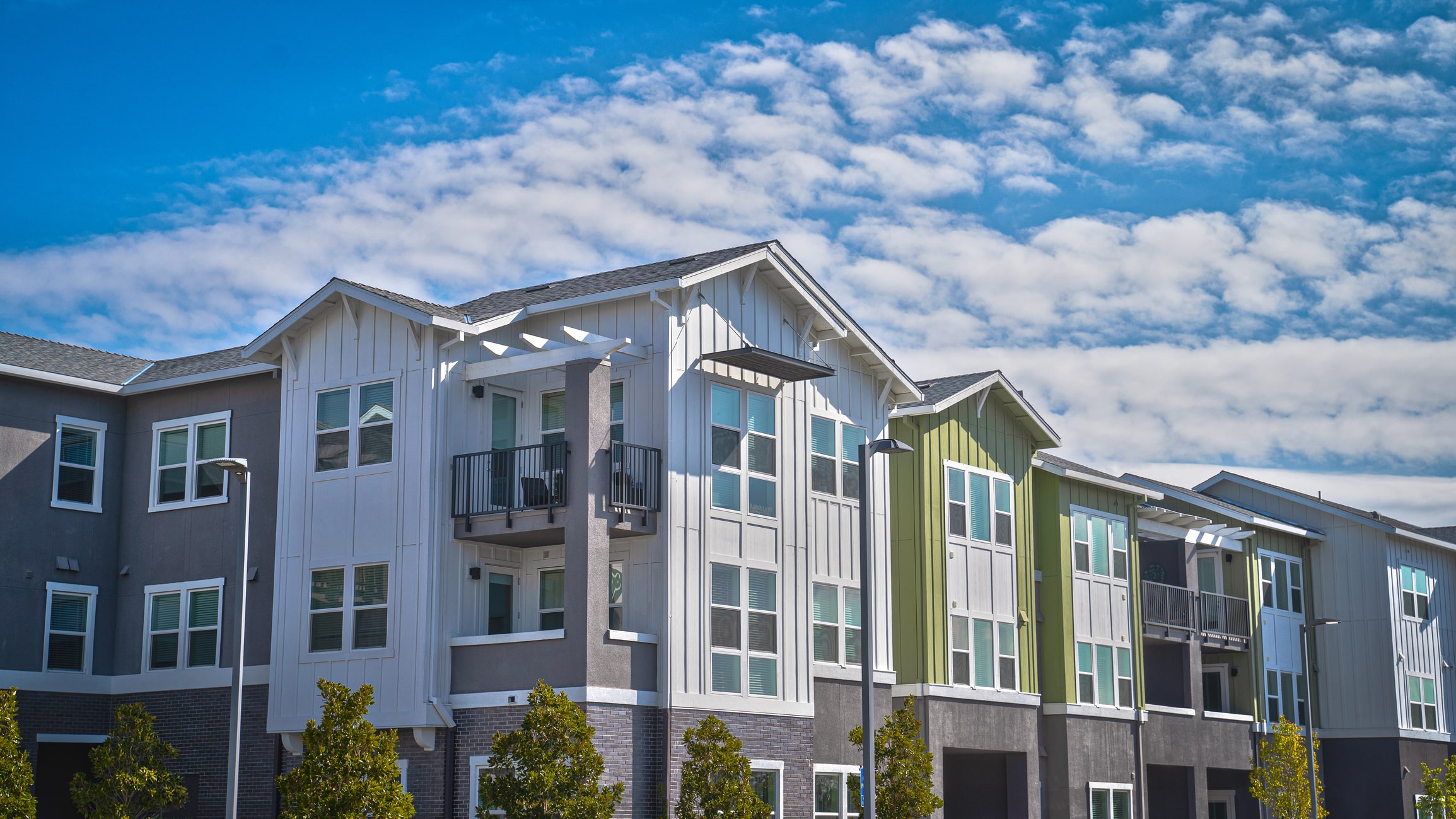
Aurora’s high elevation exposes apartment and condo complexes to intense UV radiation that accelerates the breakdown of roofing materials across large surface areas. Wind gusts exceeding 50 mph regularly test the integrity of shingles and low-slope seams common in local multi family developments, while spring snowmelt creates pooled water that strains drainage systems already burdened by heavy snow accumulation. Rapid temperature changes throughout the year cause recurring granule loss and material wear, particularly on aging properties built during the 1970s and 1980s when construction standards differed from today’s requirements. When these conditions go unaddressed, property managers face expensive emergency repairs, unit damage, and tenant complaints that could have been prevented with proactive maintenance.
Professional multi family roofing protects your investment by addressing these weather patterns before minor issues escalate into major problems. Regular inspections identify vulnerable areas where UV exposure has degraded materials, where wind has compromised seals, and where drainage systems need attention to handle seasonal moisture. Roper Roofing & Solar understands the specific demands placed on Aurora’s multi family properties and works within local building codes to deliver roofing solutions that stand up to Front Range conditions. Our experience with the Denver metro climate means we recognize the warning signs other contractors miss and recommend repairs or replacements based on how roofs actually perform in this environment.
How Multi Family Roofing Works in Aurora, CO
Managing a roofing project across multiple units requires careful planning and clear communication. Our structured process keeps your property on schedule while minimizing disruption to tenants and operations.
- Step 1: Existing Condition Inspection
We conduct a thorough evaluation of your current roof system, examining drainage paths, HVAC flashing points, and areas where weather exposure typically causes the most wear. This inspection identifies which sections need immediate attention and which areas remain in good condition. You receive a detailed report that shows exactly what we found and where problems exist. - Step 2: Honest Recommendation
Based on our findings, we explain whether targeted repairs will extend your roof’s life or if replacement makes better financial sense for your property. If the roof has years of service remaining, we tell you that and outline a maintenance plan instead of pushing unnecessary work. Our goal is to provide the most cost-effective path forward, not the most expensive one. - Step 3: Options, Materials, and Quote
We review material selections suited to local weather patterns, including hail-resistant shingles and reinforced edge systems that perform well in high winds. You see detailed pricing broken down by building or phase, along with specifications that meet Aurora permit requirements. Every option is explained in plain terms so you can make informed decisions for your property. - Step 4: Professional Installation
Work is scheduled in phases to limit impact on tenants during peak occupancy periods. Our crews follow safety protocols specific to occupied buildings and coordinate access with your management team to avoid conflicts with resident schedules. - Step 5: Quality Assurance and Walkthrough
Before we close the project, you join us for a complete final inspection of all work areas. We verify that every section meets local code standards and performs as specified, and we address any concerns before you sign off.
Multi Family Roofing Considerations in Aurora, CO
Multi family properties present unique roofing challenges that single-family homes rarely encounter. Large surface areas, diverse roof profiles, and occupied units below require planning that accounts for local weather patterns and tenant schedules. Your material choices and project timing directly impact how long your roof performs and how much disruption residents experience during installation.
- Material Selection for Building Type: Pitched roofs on townhome-style units typically use impact-resistant shingles that handle hail up to golf ball size, while low-slope apartment buildings benefit from specialized membranes and coatings designed to resist UV damage on south-facing exposures common in Aurora complexes.
- Code Compliance Requirements: Local ordinances mandate reinforced edges and properly sized vents to withstand wind gusts that regularly exceed 50 mph. These specifications apply across all multi family projects and must be verified during permit review.
- Flashing and Drainage Systems: Rooftop HVAC units require secure flashing to prevent leaks during summer thunderstorms that bring short, intense rainfall. Drainage paths must handle spring snowmelt without creating pooled water that damages membranes or seeps into units below.
- Seasonal Project Timing: Spring and fall offer the most reliable weather windows for multi family work. Summer heat complicates material application on large flat surfaces, while winter snow delays construction schedules and forces expensive extensions.
- Tenant Coordination: Phased installation schedules minimize noise and access disruptions during peak occupancy periods. Clear communication with residents about work zones and timelines reduces complaints and maintains positive property management relationships.
Protecting Your Property Investment in Aurora, CO
Proactive roofing care reduces the long-term maintenance costs that unpredictable weather and intense sun exposure create for multi family buildings. Using materials built to handle wind, UV damage, and moisture prevents the recurring repairs that strain operating budgets and disrupt tenant satisfaction. Regular inspections verify that your roofing system continues to perform as expected, catching small issues before they require emergency service or cause unit damage that affects occupancy.
Roper Roofing & Solar works with property managers and owners throughout Aurora, CO to maintain roofing systems that protect their investments year after year. When you’re ready to schedule a professional evaluation or discuss options for your property, reach out to our team. We’re here to answer your questions and help you make informed decisions about your multi family roofing needs.
Frequently Asked Questions
Got questions about your roof? We’ve got answers. From maintenance tips to insurance claims and repair timelines, our FAQ section covers the most common concerns homeowners have. Get informed and make confident decisions about protecting your home.
How long does a typical multi family roofing project take in Aurora?
Project timelines depend on your building size, roof complexity, and the number of units involved. A smaller 12-unit complex might be completed in one to two weeks, while larger properties with 50 or more units often require phased installations that span several weeks to minimize tenant disruption. Weather delays during spring and fall can extend schedules, so we build buffer time into our planning to keep your project on track.
What factors influence the cost of multi family roofing in Aurora?
Pricing is determined by your total square footage, the roof type (pitched versus low-slope), material selection, and the condition of existing decking or substrates. Properties with multiple HVAC units requiring custom flashing or buildings with complex drainage systems add to project costs. We provide detailed breakdowns by building or phase so you understand exactly what drives your investment.
How do I know if my multi family property needs roof replacement or just repairs?
If your roof shows widespread granule loss, multiple leak points across different buildings, or has reached 18 to 20 years of age, replacement typically makes better financial sense than patching individual problems. Isolated damage from a recent hailstorm or localized wear around a few vents usually means targeted repairs will extend your roof’s lifespan. Our inspection identifies which approach protects your property without wasting your budget on unnecessary work.