

What to Do After a Hail Storm in Colorado: A Step-by-Step Guide for Property Owners
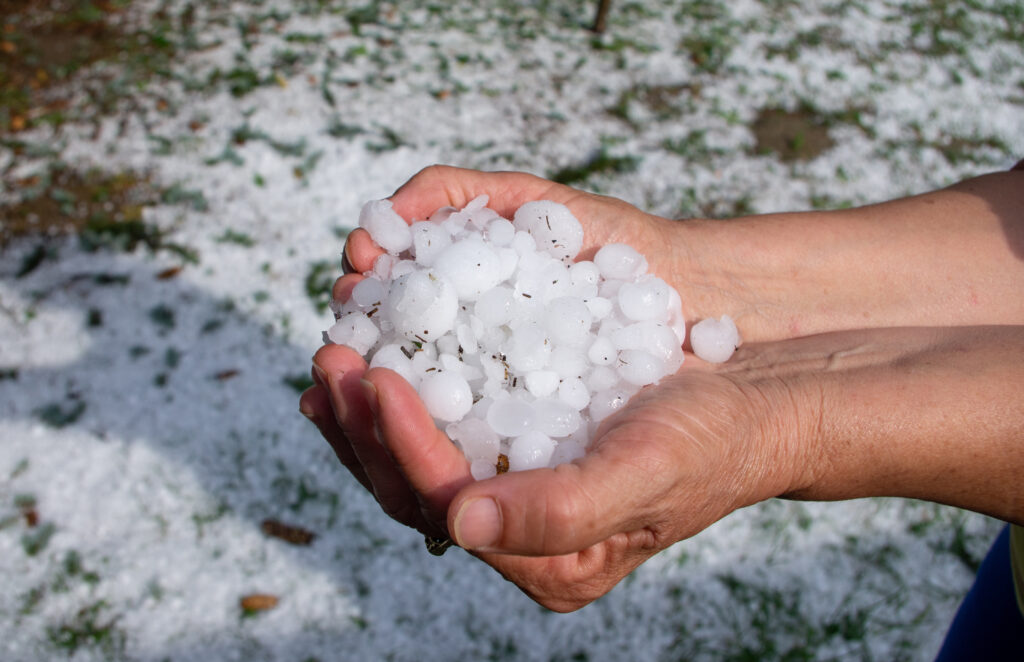
Recent hail storms have impacted communities across Denver, Colorado Springs, Evergreen, Strasburg, Fort Morgan, Wiggins and many surrounding areas. If your property was in or near one of these storms, here’s what to do next—and just as importantly, what not to do.
Colorado hail storms don’t just damage roofs, they create uncertainty.
If you’ve lived in Colorado for long, you already know the routine.
The storm passes. The sun comes back out. Then the doorbell starts ringing.
Suddenly there are roofing companies from all over the country telling you that you need a new roof immediately.
Here’s the truth:
You might. You also might not.
That’s the frustrating part.
The hardest thing after a hailstorm usually isn’t the roof itself—it’s figuring out who to trust.
At Roper Roofing, we believe doing the right thing is the strategy, not the cost of doing business. We’d rather earn your trust for the next 20 years than sell you something you don’t need today. That’s why one of our favorite things to tell people is:
“You don’t need a new roof.”
When that’s the truth, it’s exactly what we’ll say.
That philosophy is the foundation of how we serve Colorado property owners, and it’s the same approach that guides every inspection we perform.
Step 1: Stay Safe
After the storm has passed:
- Look for broken windows or skylights.
- Check for leaks inside your home or building.
- Move vehicles under cover if additional storms are forecast.
- Avoid climbing on your roof.
Many types of hail damage aren’t obvious from the ground—and a roof can be dangerous even when it appears dry.
Step 2: Don’t Assume You’re Fine…
…but don’t assume you’re damaged either.
One of the biggest misconceptions after a hailstorm is that you’ll immediately know if your roof was damaged.
That’s rarely how it works.
We’ve inspected countless roofs where:
- The gutters looked perfect.
- The shingles looked normal from the street.
- There were no leaks.
But once we got onto the roof, we found legitimate hail damage.
We’ve also seen the opposite.
The hail sounded terrifying. Neighbors were filing claims. Door knockers said everyone needed a new roof.
Then we inspected the roof and found it was in great shape.
Both situations happen every storm season.
Step 3: Understand What Hail Actually Damages
Hail doesn’t just hit shingles.
A thorough inspection looks at:
- Asphalt shingles
- Tile roofing
- Metal roofing
- Flat roofing membranes
- Ridge caps
- Roof vents
- Flashings
- Gutters and downspouts
- Window screens
- Soft metals
- Skylights
- Siding
- Paint
- HVAC equipment
- Solar equipment
- Other collateral damage
An experienced inspector uses all of these pieces together to understand what actually happened during the storm—not just whether one shingle has a mark on it.
Step 4: Get an Honest Inspection Before Making Any Big Decisions
This is the step where most property owners get overwhelmed.
You don’t need someone to sell you.
You need someone to translate.
The best roofing companies act more like educators than salespeople. Their job is to explain what they’re seeing, answer your questions, and help you make an informed decision—even if that decision is not to replace your roof. That educational, translator-first approach consistently builds more trust than traditional sales tactics because homeowners are looking for clarity, not pressure.
A quality inspection should include:
- Photos of what was found
- An explanation of why something is (or isn’t) hail damage
- Honest recommendations
- No pressure to file an insurance claim
- Time for you to ask questions
If someone spends five minutes at your property and tells you to sign paperwork immediately, that’s probably not the kind of partner you’re looking for.
Step 5: Don’t Feel Pressured to File an Insurance Claim
This surprises a lot of people.
Not every inspection should end with an insurance claim.
Sometimes the damage simply isn’t there.
Sometimes it’s cosmetic.
Sometimes repairs make more sense than replacement.
Sometimes waiting is perfectly reasonable.
Your goal shouldn’t be to file a claim.
Your goal should be to understand the actual condition of your roof.
Only then can you decide what makes sense for your property.
Step 6: If You Do Have Damage, Document Everything
If significant hail damage is present, documentation matters.
A professional inspection should include:
- Photos
- Marked damage locations
- Roof condition notes
- Collateral damage documentation
- A written inspection report
Good documentation helps everyone—from you to your insurance carrier—understand what was observed.
Trust isn’t something a contractor should ask you to give them. It should be something they earn through documentation, transparency, and clear communication.
Step 7: Choose a Local Roofing Company
Every major hailstorm brings companies from across the country into Colorado.
Some do good work.
Many disappear once storm season ends.
A local roofing partner offers something much more valuable:
- They understand Colorado building codes.
- They know how Colorado roofs age.
- They understand local weather patterns.
- They’ll still be here years from now if you need them.
Colorado roofs experience intense UV exposure, freeze-thaw cycles, snow loading, and frequent hail. That’s why local experience matters.
What Makes an Honest Roofing Inspection Different?
At Roper Roofing, we don’t believe every roof needs replacing.
Sometimes the best inspection ends with:
“Your roof is okay.”
That’s not lost business.
That’s how trust is built.
We’d rather become the roofing company you recommend to your neighbors than pressure you into work you don’t need.
Because eventually, every property owner will need roofing help.
When that day comes, we’d like to be the company you already trust.
Areas We Recently Assisted After the June & July Storms
Our team has recently been helping property owners throughout:
- Denver
- Colorado Springs
- Evergreen
- Strasburg
- Fort Morgan
- Wiggins
- Many surrounding Front Range communities
If your neighborhood experienced hail—even if you’re unsure whether your property sustained damage—we’re happy to help you understand what happened.
No pressure.
Just an honest assessment from a local team that’s committed to doing the right thing.
Not Every Storm Means You Need a New Roof.
But every major storm is worth understanding.
If you’d like a professional opinion, we’ll inspect your roof, document what we find with photos, explain everything in plain English, and tell you the truth—even if that truth is that your roof is in great shape.
Because protecting your property starts with protecting your confidence in the decision you make.