

When a Roof Repair Is Enough: Deciding Between Patching and Replacement in Wheat Ridge, CO
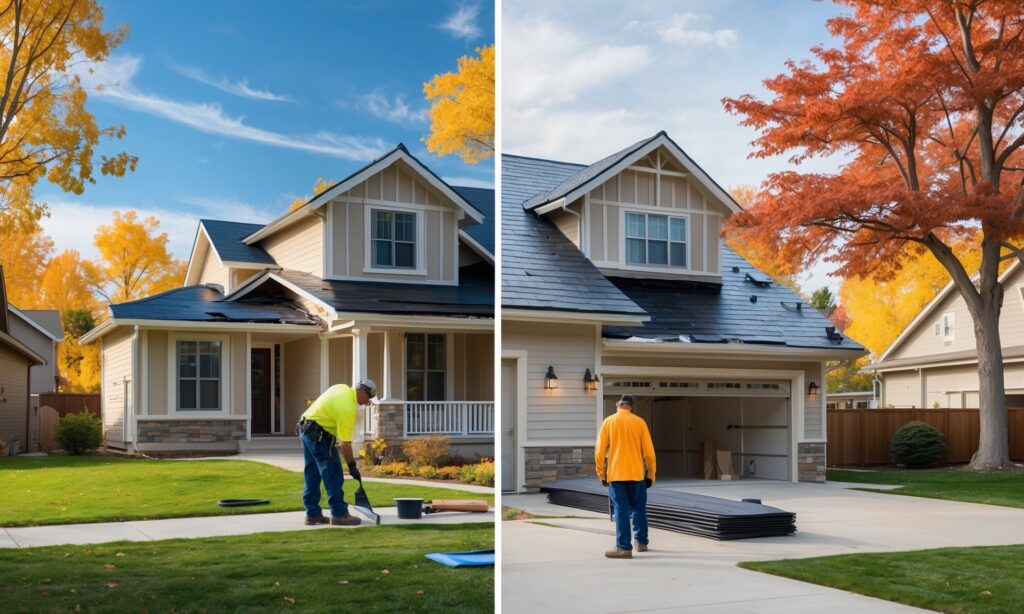

For property owners, developers, and small business operators, the decision between patching up a roof and opting for a full replacement can feel overwhelming. The stakes are high: your roof is your building’s shield against the unpredictable Colorado weather, and making the wrong call can mean wasted money or even further damage. If you’re searching for guidance on roof repair in Wheat Ridge, CO, you’re not alone. Many in this region face the same dilemma, especially as roofs age or after severe storms. This article is designed to help you confidently weigh your options, understand the real-world factors at play, and make a choice that protects both your investment and your peace of mind. Whether you’re a seasoned developer or a first-time property owner, the insights below will empower you to make the right roofing decision for your situation.
Recognizing When a Roof Patch Will Suffice
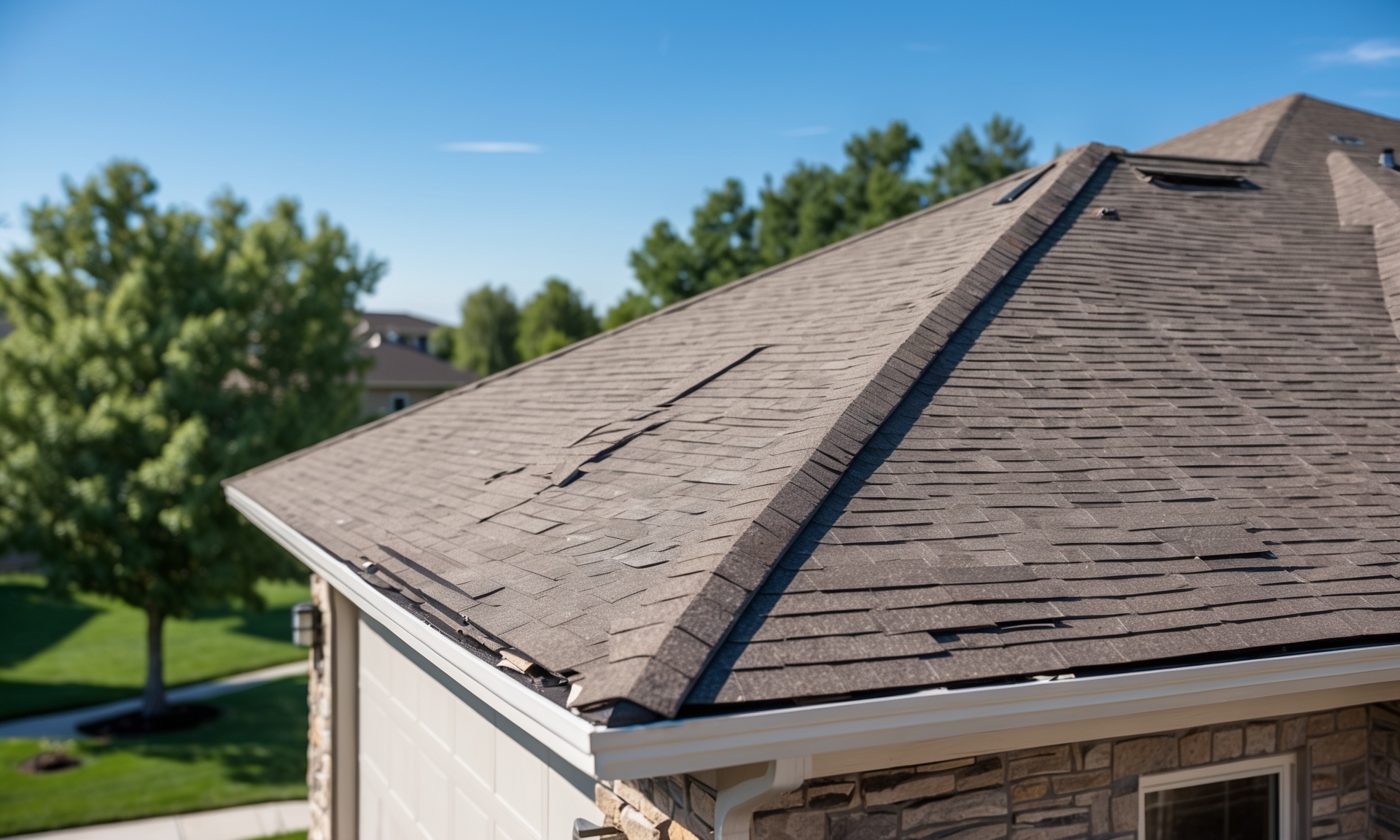
Sometimes, a small leak or a few missing shingles doesn’t mean your entire roof is doomed. In many cases, targeted repairs can extend the life of your roof and save you thousands. So, how do you know when a patch is enough? Start by assessing the age of your roof and the extent of the damage. If the affected area is limited and the rest of the roof is in good shape, a professional patch may be all you need. For example, if a recent windstorm has blown off a handful of shingles or a branch has punctured a small section, a skilled roofer can often seamlessly repair the spot without compromising the roof’s integrity.
It’s important to act quickly, though. Delaying minor repairs can allow water to seep in, leading to rot, mold, or even structural issues. Local professionals, like Roper Roofing, can evaluate your roof and recommend whether a patch is the right call. They’ll look for signs like isolated damage, strong underlying decking, and intact flashing. If these boxes are checked, patching can be a cost-effective and efficient solution.
- Small leaks confined to one area
- Missing or damaged shingles in a limited zone
- No widespread water stains or sagging
- Roof is under 15 years old with no major wear
Remember, a patch is only as good as the roof it’s attached to. If the surrounding materials are still robust, patching can buy you years before a replacement becomes necessary.
When Full Roof Replacement Becomes the Smarter Choice
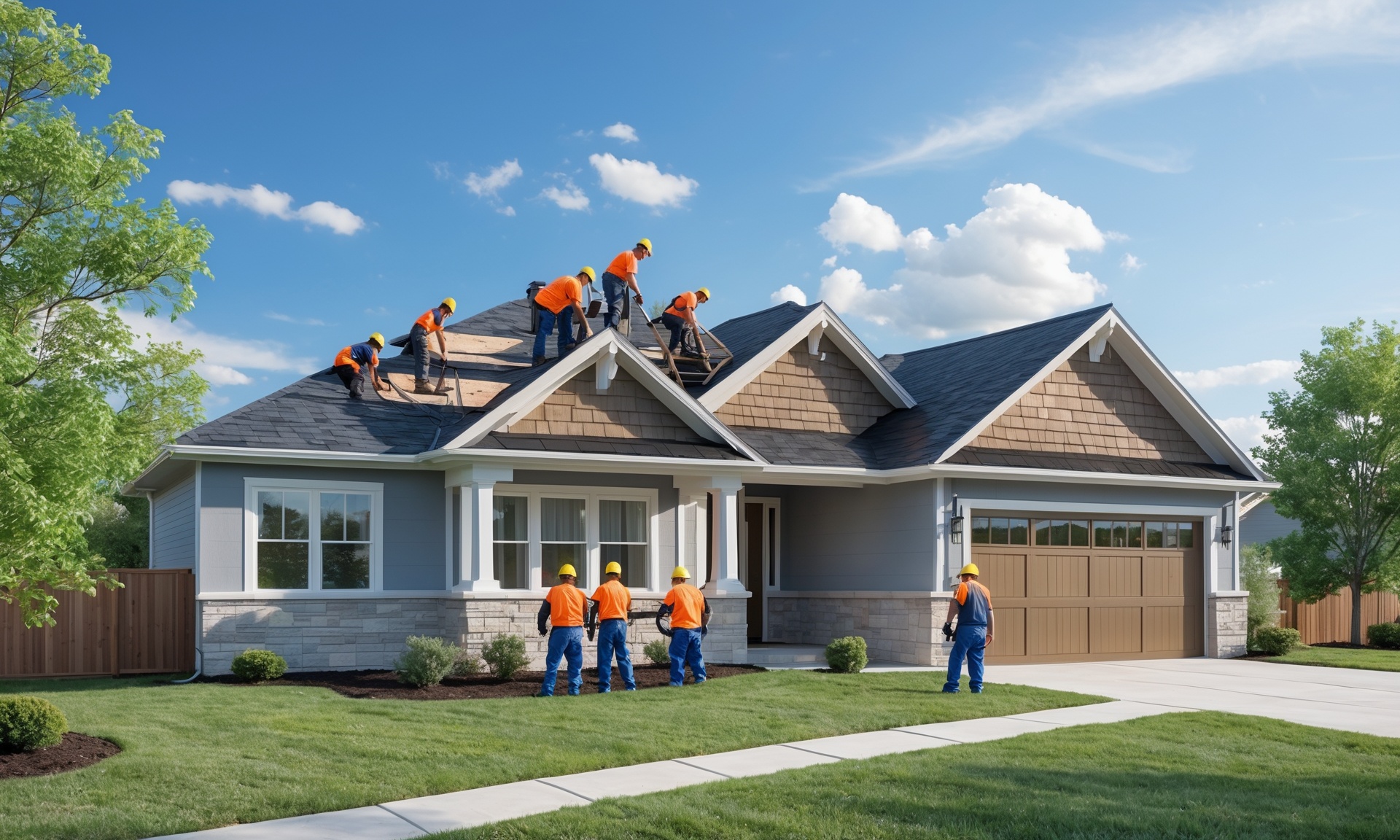
There are situations where patching just won’t cut it. If your roof has widespread damage, is nearing the end of its expected lifespan, or has multiple leaks in different areas, replacement is often the wiser investment. Persistent issues like curling shingles, granule loss, or visible sagging are red flags that the underlying structure may be compromised. In these cases, patching is like putting a bandage on a broken bone, it won’t address the root problem.
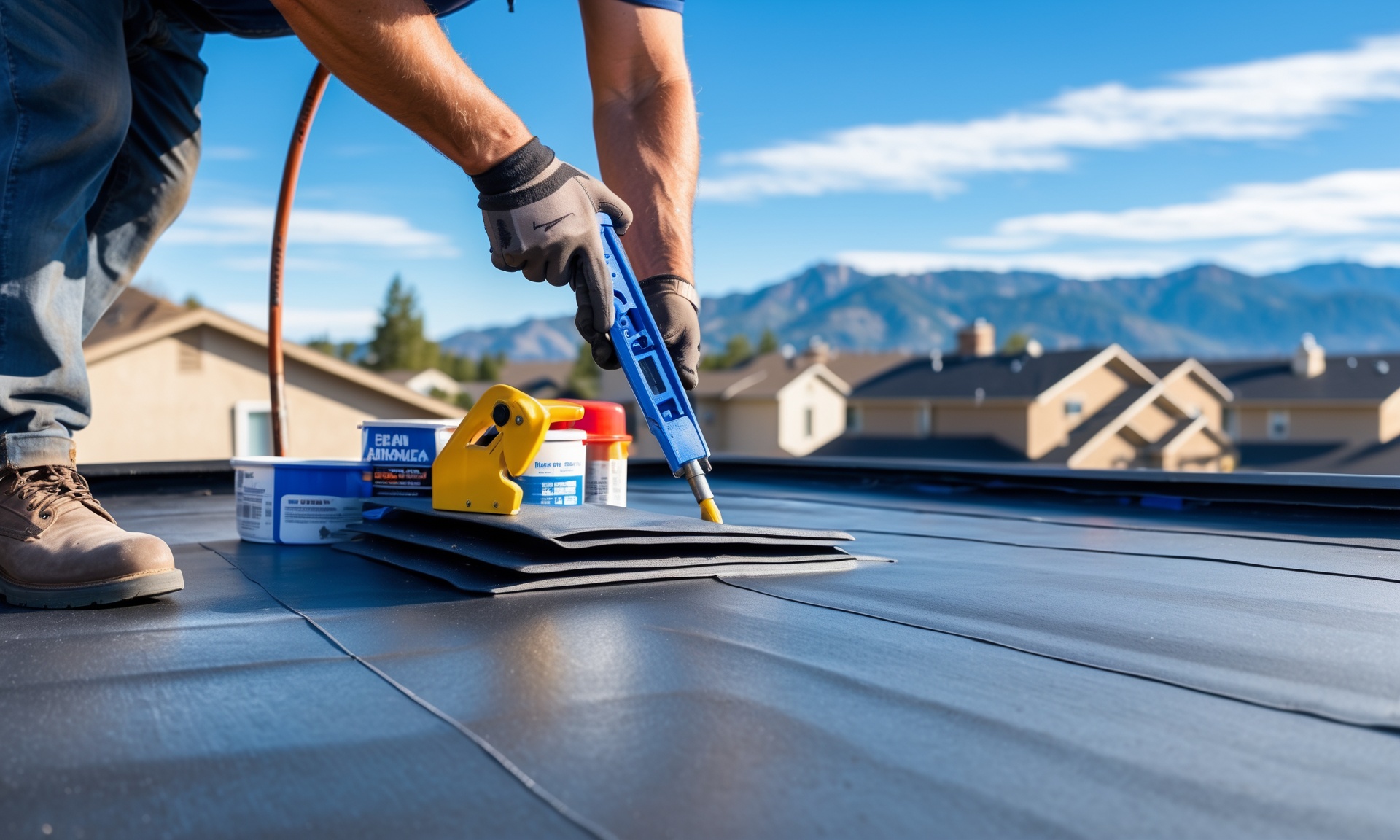
For flat roofs or commercial properties, the decision can be even more nuanced. Water pooling, extensive blistering, or recurring leaks across large sections often signal that the membrane or underlying materials have failed. In these scenarios, a full replacement ensures your property is protected for the long haul. For more details on this topic, see Flat Roof Repair in Wheat Ridge, CO: Common Problems and Local Solutions.
- Roof is over 20 years old
- Multiple leaks in different locations
- Widespread shingle damage or curling
- Sagging, rot, or visible deck damage
A full replacement may be a bigger upfront investment, but it can prevent ongoing repairs, reduce energy costs, and add value to your property. Plus, new roofing materials often come with robust warranties that provide peace of mind for years to come.
Evaluating Emergency Roof Repairs After Sudden Damage
Unexpected events like hail, high winds, or falling branches can leave you scrambling for a solution. In these moments, emergency roof repairs are essential to prevent further water intrusion and protect your property’s interior. The first step is to contain the damage, cover exposed areas with tarps and remove any debris. Once the immediate threat is managed, a professional assessment will determine if a temporary patch will suffice or if more extensive repairs are needed.
It’s crucial to act fast, as water can quickly compromise insulation, drywall, and even electrical systems. Local roofing experts can provide rapid response and help you navigate insurance claims. For a detailed action plan, check out Emergency Roof Repair in Wheat Ridge, CO: What to Do After a Sudden Leak.
- Immediate containment prevents further damage
- Professional inspection identifies hidden issues
- Temporary repairs buy time for a permanent solution
After the emergency is stabilized, you’ll have a clearer picture of whether a patch or replacement is necessary. Don’t delay, quick action can mean the difference between a minor fix and major restoration work.
Key Factors That Influence Your Roofing Decision
Choosing between patching and replacing your roof isn’t just about the visible damage. Several underlying factors can tip the scales in one direction or the other. First, consider the age of your roof. Most asphalt shingle roofs last 20-25 years, while metal or tile can last longer. If your roof is approaching the end of its lifespan, investing in a replacement may be more cost-effective than a series of patches.
Next, think about your long-term plans for the property. If you’re planning to sell soon, a new roof can be a strong selling point. On the other hand, if you’re staying put and the damage is minor, a patch might make more sense. Also, take into account your budget, the type of roofing material, and any warranty considerations. Some warranties may be voided by improper repairs or if the roof is past a certain age.
- Roof age and remaining lifespan
- Extent and location of damage
- Your future plans for the property
- Budget constraints and financing options
- Material type and warranty status
Weighing these factors with the help of a trusted roofing professional ensures you make a decision that aligns with your goals and protects your investment.
How Weather Patterns Shape Roofing Choices
The local climate plays a significant role in determining whether a roof repair or replacement is the best course of action. In this region, roofs face intense sun, heavy snow, hail, and sudden temperature swings. These conditions can accelerate wear and tear, making regular inspections and timely repairs crucial.
For example, repeated freeze-thaw cycles can cause shingles to crack and flashing to loosen, leading to leaks that may start small but quickly worsen. Hail can bruise or puncture roofing materials, sometimes in ways that aren’t immediately visible. If your roof has weathered several severe storms, it may be more cost-effective to replace it rather than patching repeatedly.
- Frequent hail increases risk of hidden damage
- Snow and ice can cause ice dams, leading to leaks
- UV exposure weakens shingles over time
Understanding how local weather impacts your roof helps you make proactive decisions and avoid costly surprises down the road.
Comparing Costs: Patch vs. Replacement
Cost is often the deciding factor when choosing between a patch and a full replacement. While patching is typically less expensive upfront, it’s important to consider the long-term implications. Multiple patches over several years can add up, especially if underlying issues go unaddressed. On the other hand, a full replacement is a larger investment but can deliver decades of worry-free performance, lower maintenance costs, and improved energy efficiency.
To help you visualize the differences, here’s a table comparing typical scenarios for patching versus replacement:
| Scenario | Patch | Replacement |
|---|---|---|
| Small, isolated leak | Low cost, quick fix | Not necessary |
| Multiple leaks, older roof | Temporary solution | Recommended |
| Storm damage in one area | Effective if rest of roof is sound | Consider if widespread |
| Roof nearing end of lifespan | Short-term fix | Best long-term value |
| Budget considerations | Lower upfront cost | Higher initial investment |
Ultimately, the right choice depends on your specific situation, but understanding these cost dynamics can help you plan for both immediate needs and future expenses.
The Role of Preventive Maintenance in Roof Longevity
Regular maintenance is one of the best ways to delay the need for major repairs or a full replacement. By scheduling annual inspections and addressing minor issues as they arise, you can extend your roof’s lifespan and avoid costly surprises. Look for signs like loose or missing shingles, clogged gutters, and damaged flashing. Cleaning debris from your roof and gutters prevents water buildup that can lead to leaks and rot.
Preventive maintenance also gives you a chance to catch problems early, when they’re still easy and inexpensive to fix. Many roofing contractors offer maintenance plans that include inspections, minor repairs, and documentation for insurance purposes. This proactive approach not only saves money but also ensures your property remains protected year-round.
- Annual inspections catch small issues early
- Cleaning gutters prevents water intrusion
- Timely repairs extend roof life
A well-maintained roof is less likely to require emergency repairs or premature replacement, making regular upkeep a smart investment for any property owner.
Understanding Roofing Material Lifespans and Repairability
Not all roofing materials are created equal when it comes to repair versus replacement. Asphalt shingles, the most common choice for residential properties, are generally easy to patch if damage is localized. However, if the shingles are brittle or the granules are worn away, replacement may be necessary. Metal roofs, on the other hand, can often be repaired with sealant or by replacing individual panels, but widespread rust or corrosion is a sign that a full replacement is needed.
Tile and slate roofs are durable and can last for decades, but repairs require specialized skills to avoid breaking adjacent tiles. Flat roofs, common on commercial buildings, may be patched if the membrane is intact, but if there’s extensive blistering or water intrusion, replacement is usually the best option. Knowing the strengths and weaknesses of your roofing material helps you make informed decisions about repairs and long-term maintenance.
- Asphalt shingles: easy to patch, but limited by age
- Metal: durable, but susceptible to rust
- Tile/slate: long-lasting, require careful handling
- Flat roofs: patchable if membrane is healthy
Consult with a roofing specialist who understands the materials used on your property for the best advice on repairability and longevity.
How Local Codes and Regulations Impact Your Roofing Options
Before making any roofing decision, it’s essential to consider local building codes and regulations. These rules are designed to ensure safety, energy efficiency, and durability. In many communities, there are limits on how many layers of roofing can be installed. For example, if your roof already has two layers of shingles, you may be required to remove the old material before installing a new one, making replacement the only option.
Permits are often required for major repairs or replacements, and inspections may be necessary to confirm the work meets standards. Some areas also have specific requirements for fire resistance or wind uplift, especially in regions prone to severe weather. Working with a reputable, local roofing contractor ensures your project complies with all regulations, avoiding costly fines or delays.
- Check local codes before starting work
- Permits may be required for significant repairs
- Layer limits can dictate replacement
- Compliance ensures insurance coverage
Being proactive about code compliance protects your investment and ensures your roof is safe and legal.
Choosing the Right Roofing Professional for the Job
Whether you’re considering a patch or a full replacement, the expertise of your roofing contractor makes all the difference. Look for professionals with a strong reputation in the community, proper licensing, and insurance. Ask for references and review past projects to gauge their experience with your type of roof.
A trustworthy contractor will provide a detailed inspection, explain your options, and offer transparent pricing. They should also be familiar with local codes and able to help with permits and inspections. Don’t be afraid to ask questions about materials, warranties, and timelines. The right partner will make the process smooth and stress-free, ensuring your property is protected for years to come.
- Verify credentials and insurance
- Request detailed estimates
- Check references and reviews
- Ensure familiarity with local codes
Investing time in selecting the right professional pays off in quality workmanship and peace of mind.
Final Thoughts
Deciding between patching and replacing your roof is never a one-size-fits-all answer. By understanding the signs of damage, weighing the costs, considering local weather patterns, and consulting with trusted professionals, you can make a choice that fits your needs and budget. For residents and business owners in this community, proactive maintenance and timely repairs are key to protecting your investment. Whether you opt for a quick patch or a complete overhaul, the right decision will keep your property safe, comfortable, and looking its best for years to come.