

Emergency Roof Repair in Wheat Ridge, CO: What to Do After a Sudden Leak


When a sudden leak appears overhead, panic can set in quickly. Whether you’re a small business owner protecting your investment, a developer overseeing multiple properties, or a resident simply trying to keep your home dry, a roof leak is a problem that can’t wait. Emergency situations like these happen unexpectedly, especially with the unpredictable weather patterns in the area. Acting fast is crucial, and knowing exactly what to do next makes all the difference. If you’re searching for reliable roof repair Wheat Ridge CO solutions, you’re not alone, many in this community have faced the same urgent challenge. In this comprehensive guide, we’ll walk you through practical, step-by-step actions you can take immediately after discovering a sudden leak, help you understand what to expect from the repair process, and empower you with the knowledge to minimize damage and stress. Let’s dive in and turn a roofing crisis into a manageable fix.
Spotting the Leak: First Signs and Immediate Actions
The first moments after discovering a leak can be overwhelming, but quick thinking is your best defense against extensive water damage. Leaks often announce themselves through water stains on ceilings, dripping sounds, or even sudden puddles on the floor. If you notice any of these warning signs, act immediately. Start by moving furniture, electronics, and valuables away from the affected area. Place buckets or large containers under the leak to catch water and prevent further spread.
Next, try to locate the source of the leak from inside. Water can travel along rafters and beams, so the drip may not be directly below the roof breach. If safe, inspect your attic or crawl space for wet insulation, dark spots, or visible drips. This information will be valuable when you contact a professional. For those who want peace of mind and fast service, Roper Roofing is a trusted local resource for emergency roof repairs.
Remember, safety comes first. Avoid climbing onto the roof during a storm or if surfaces are slippery. Instead, focus on containing the leak and documenting the situation with photos or videos. These records can help with insurance claims and ensure you get the right repairs.
Understanding the Most Common Causes of Sudden Roof Leaks
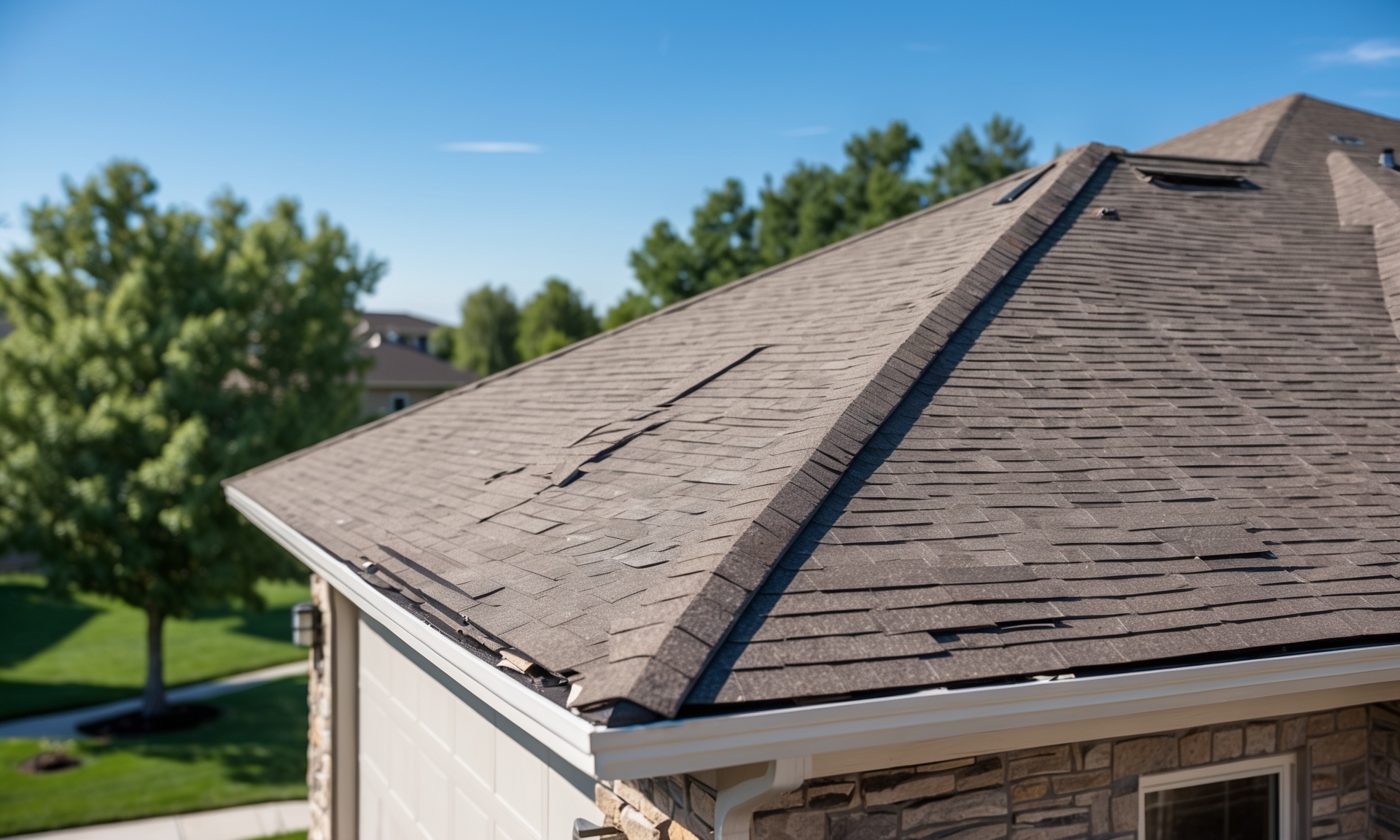
Sudden roof leaks rarely happen without cause. Understanding the root of the problem can help you communicate more effectively with repair professionals and prevent future incidents. In the region, weather is a major culprit, heavy rain, hail, and wind can all compromise roofing materials. Sometimes, leaks occur due to clogged gutters, ice dams, or failing flashing around chimneys and vents. Even small issues like missing shingles or cracked sealant can escalate quickly during a storm.
Other common reasons for leaks include poor installation, aging materials, or damage from falling branches. Commercial properties may face leaks due to rooftop HVAC units or penetrations for signage. By understanding these causes, you can better assess whether your leak is an isolated incident or a sign of broader roof health concerns.
If you suspect a specific cause, make a note of it, this can help your roofer address the issue more efficiently and recommend long-term solutions beyond a quick fix.
How to Safely Minimize Water Damage Indoors
Once you’ve contained the immediate leak, your next priority is minimizing water damage inside your property. Water can quickly warp floors, stain walls, and foster mold growth. Start by removing as much water as possible using towels, mops, or a wet/dry vacuum. Open windows and doors to encourage air circulation, and use fans or dehumidifiers if available.
If water has soaked into drywall or insulation, it’s important to dry these areas thoroughly. Mold can begin to develop within 24 to 48 hours in damp conditions. Remove wet materials when possible and elevate rugs or carpets to allow airflow underneath. For business owners, protecting inventory and sensitive equipment is critical. Move items to a dry location and document any losses for insurance purposes.
Acting quickly not only preserves your property but can also reduce repair costs and downtime, especially for commercial spaces that rely on uninterrupted operations.
Temporary Fixes You Can Do Until Help Arrives
While waiting for professional assistance, there are several temporary measures you can take to limit further damage. If you can safely access your attic, place a tarp or heavy-duty plastic sheeting over the affected area. Secure the edges with boards or heavy objects to prevent the tarp from shifting. This can help divert water away from the interior until repairs are made.
For small punctures or cracks, roofing tape or sealant can provide a short-term barrier. Apply these products only if you are comfortable and it is safe to do so. Avoid using makeshift solutions like duct tape or household plastic, as these often fail under heavy rain.
Remember, these fixes are not substitutes for professional repairs. Their purpose is to buy you time and prevent additional water intrusion until a qualified roofer can assess and resolve the issue properly.
When to Call a Professional Roofer
Knowing when to call in a professional is key to protecting your property and ensuring a thorough repair. If the leak is persistent, covers a large area, or you notice structural damage, don’t delay, contact a roofing expert as soon as possible. Attempting major repairs yourself can be dangerous and may void warranties or insurance coverage.
Professional roofers bring specialized equipment, training, and experience to diagnose the source of the leak and recommend lasting solutions. They can also identify hidden issues that might not be obvious from the ground or attic. For business owners, a prompt call can minimize disruptions and maintain a safe environment for staff and customers.
Choose a roofer with experience in emergency repairs and a strong local reputation. Ask about response times, warranties, and whether they handle insurance claims. This ensures you get the help you need when it matters most.
What to Expect During the Emergency Roof Repair Process
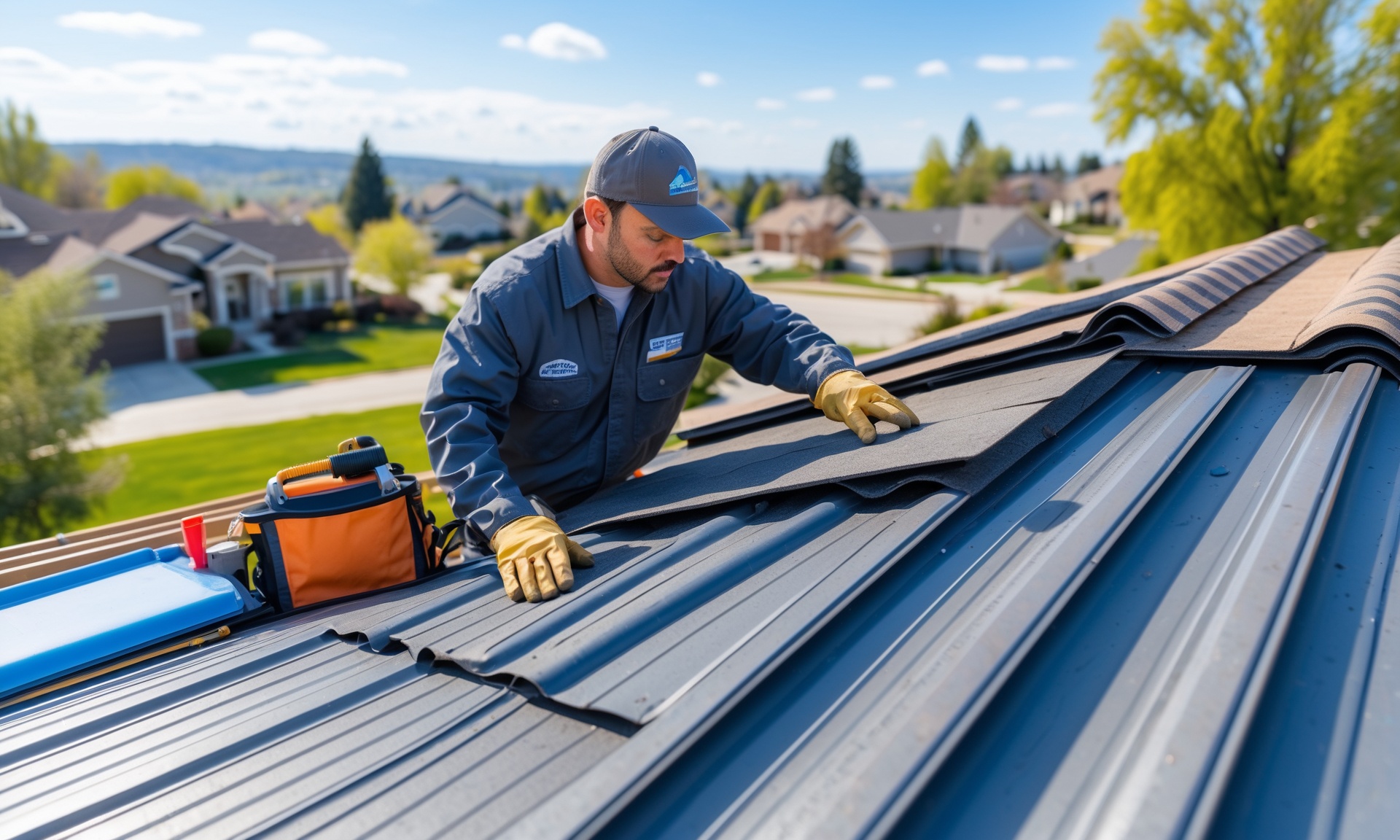
Once a professional arrives, the repair process typically begins with a thorough inspection. The roofer will assess the extent of the damage, identify the leak’s source, and recommend the best course of action. In some cases, immediate temporary repairs will be made to stop water intrusion, followed by a more comprehensive fix once conditions allow.
You may be asked questions about when the leak started, recent weather events, or any previous roof issues. Providing clear information and access to the affected areas helps speed up the process. Depending on the severity, repairs may range from patching a small area to replacing damaged shingles, flashing, or underlayment.
Throughout the process, expect open communication regarding timelines, costs, and any recommendations for future maintenance. A reputable roofer will keep you informed every step of the way, ensuring you understand what’s being done and why.
Insurance Considerations for Emergency Roof Repairs
Dealing with insurance can be one of the most stressful aspects of emergency roof repair. Start by reviewing your policy to understand what’s covered. Most policies include protection against sudden damage from storms or accidents, but exclusions may apply for wear and tear or lack of maintenance.
Document all damage with clear photos and keep receipts for any emergency expenses, such as tarps or temporary repairs. Contact your insurance company as soon as possible to report the incident. An adjuster may need to inspect the damage before repairs are finalized, so keep all documentation organized and accessible.
Working with a roofer experienced in insurance claims can make the process smoother. They can provide detailed estimates, communicate with adjusters, and help ensure you receive the compensation you’re entitled to.
Preventing Future Roof Emergencies
While some leaks are truly unpredictable, many can be prevented with regular maintenance and timely repairs. Schedule annual roof inspections to catch small issues before they become emergencies. Keep gutters clean, remove debris from the roof surface, and check for signs of wear after major storms.
For commercial properties, establish a maintenance plan that includes routine checks of rooftop equipment and penetrations. Address minor repairs promptly and invest in quality materials designed to withstand local weather conditions. Educate staff or tenants on the signs of leaks so they can report problems early.
Being proactive not only extends the life of your roof but also protects your investment and minimizes disruptions from unexpected emergencies.
Comparing Emergency Roof Repair Solutions
| Solution | Best For | Pros | Cons |
|---|---|---|---|
| Tarping | Immediate water diversion | Quick, inexpensive, prevents further damage | Temporary, may shift in wind, not a long-term fix |
| Roofing Tape/Sealant | Small cracks or punctures | Easy to apply, immediate seal | Short-term, not suitable for large leaks |
| Professional Repair | All leak types | Permanent solution, warranty, expert assessment | Requires scheduling, higher upfront cost |
| Full Roof Replacement | Extensive or recurring damage | Long-term protection, addresses underlying issues | Most expensive, longer downtime |
Choosing the Right Emergency Roof Repair Partner in Wheat Ridge
Selecting the right roofing partner is essential for a successful emergency repair. Look for companies with a proven track record in the neighborhood, positive customer reviews, and transparent pricing. Ask about their experience with your type of property, whether residential, commercial, or multi-unit buildings.
A reputable roofer should offer clear communication, detailed estimates, and a willingness to answer your questions. Inquire about their licensing, insurance, and any guarantees on their work. For urgent situations, response time is critical, so choose a partner known for fast, reliable service. Building a relationship with a trusted local roofer ensures you have support not just in emergencies, but for ongoing maintenance and future upgrades as well.
Final Thoughts
A sudden roof leak can be stressful, but with the right approach, you can minimize damage and restore your property quickly. Acting fast, documenting the situation, and reaching out to a qualified professional are your best defenses against escalating problems. Remember to keep safety at the forefront, use temporary fixes wisely, and stay proactive with regular maintenance. Whether you’re a business owner, developer, or resident, being prepared for roofing emergencies gives you peace of mind and protects your investment. When the unexpected happens, you now have the knowledge and resources to turn a crisis into a manageable repair.