

Roof Inspection Checklist for Wheat Ridge, CO Homeowners Before Buying or Selling


Buying or selling a home is one of the biggest decisions you’ll ever make, and the condition of the roof can make or break the deal. For homeowners and small business owners alike, understanding what to look for in a roof inspection is crucial, especially when working with a trusted roofing contractor Wheat Ridge CO residents rely on. Whether you’re preparing to list your property or considering a purchase in this vibrant community, a thorough roof inspection can save you from unexpected expenses and negotiations. In this guide, we’ll walk you through a comprehensive checklist to help you spot potential issues, understand what professionals look for, and ensure your roof is ready for the next chapter. Let’s dive into what every buyer and seller should know before closing the deal.
Why Roof Inspections Matter in Real Estate Transactions
A roof is more than just a protective barrier; it’s a major investment and a key factor in a property’s value. When buying or selling a home, the roof’s condition can influence the final sale price, insurance eligibility, and even the speed of the transaction. Many buyers request a roof inspection as part of their due diligence, and sellers who proactively address roofing issues often find negotiations go more smoothly. A professional inspection by a reputable company like Roper Roofing can provide peace of mind and help avoid last-minute surprises that could derail a sale.
For buyers, a roof in poor condition may signal costly repairs down the road, while sellers can use a well-maintained roof as a selling point. In some cases, lenders and insurers may require documentation of the roof’s health before approving a mortgage or policy. This is especially important in areas with variable weather patterns, where roofs are subjected to everything from intense sun to heavy snow. By investing in a thorough inspection, both parties can negotiate from a position of knowledge and confidence.
A roof inspection isn’t just about spotting leaks; it’s about understanding the lifespan, maintenance needs, and overall safety of the structure. It’s an essential step for anyone looking to make an informed real estate decision in the area.
What Professional Roof Inspectors Look For
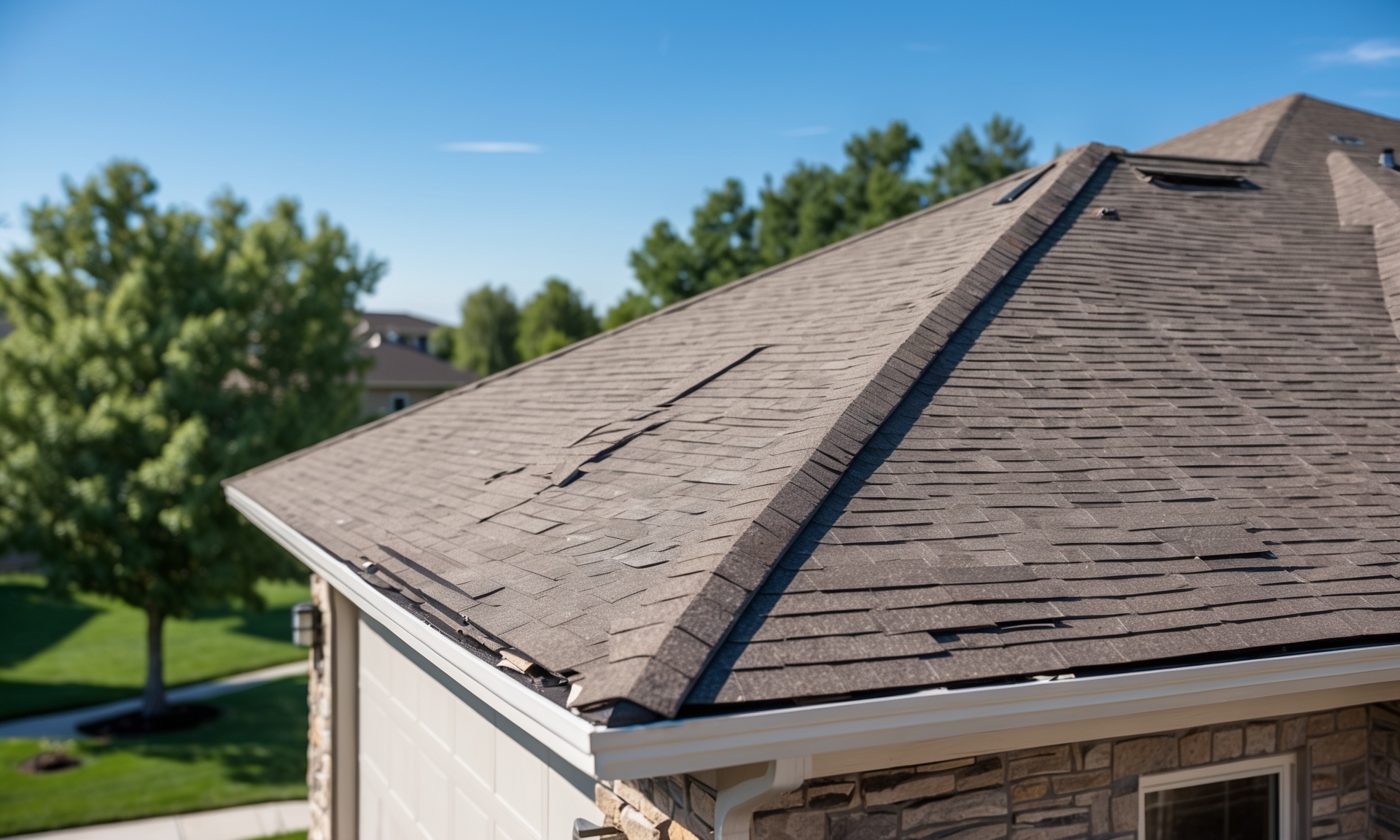
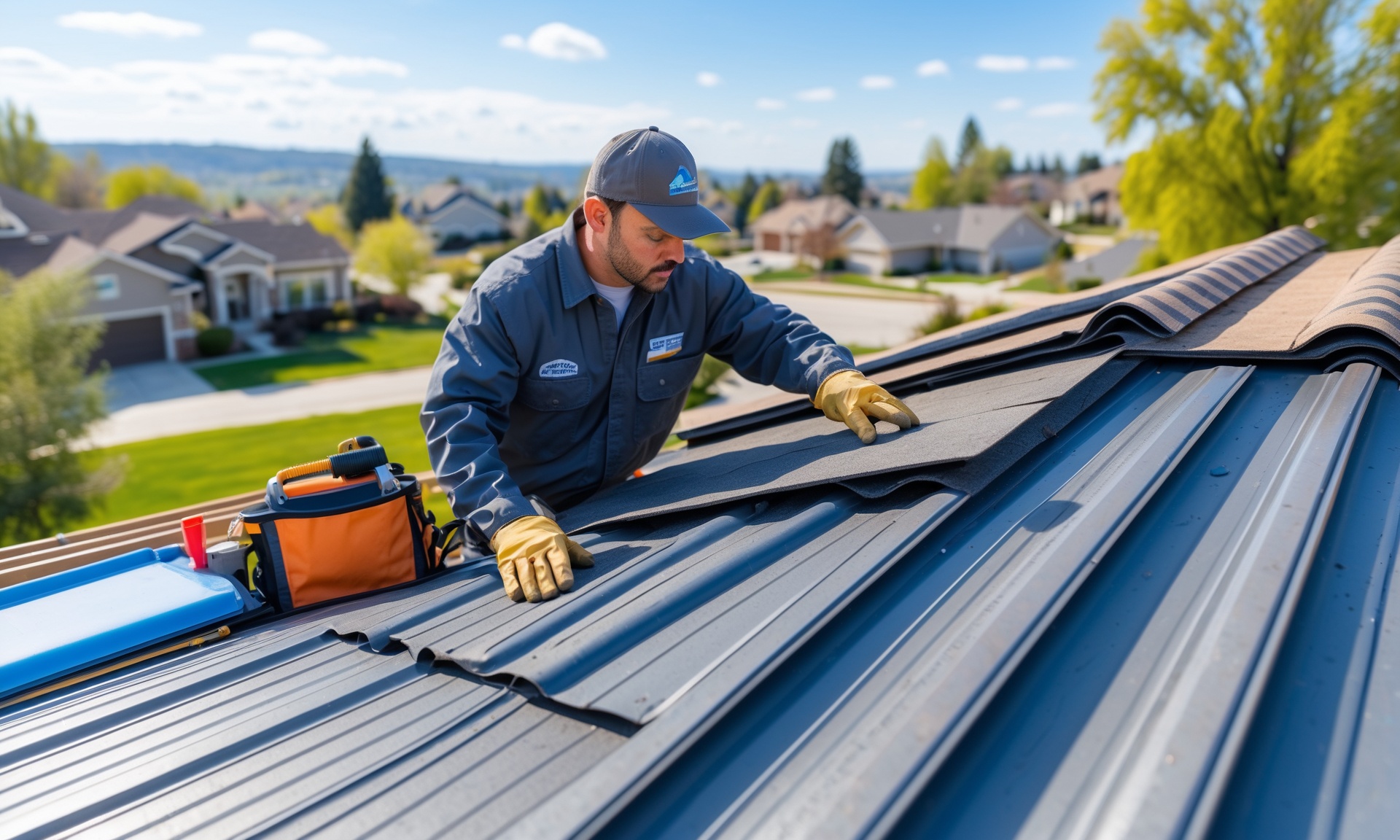
When a professional roof inspector arrives, they bring a trained eye and a systematic approach. They’ll start with the exterior, examining the roof’s surface for visible signs of wear, such as missing shingles, cracked tiles, or curling edges. Inspectors also check for moss, algae, or debris buildup, which can indicate moisture retention or improper drainage.
Beyond the surface, inspectors look at flashing around chimneys, vents, and skylights. Damaged or corroded flashing is a common source of leaks. Gutters and downspouts are also evaluated for blockages or signs of water overflow, which can lead to foundation issues if left unaddressed.
Inside the home, inspectors may venture into the attic to check for water stains, mold, or insulation problems. They’ll assess ventilation, as poor airflow can shorten a roof’s lifespan and contribute to energy inefficiency. Structural issues, such as sagging or uneven rooflines, are noted, as these can indicate underlying damage.
A comprehensive inspection covers both obvious and hidden problems, providing a detailed report that helps homeowners and buyers make informed decisions about repairs, replacements, or negotiations.
Exterior Inspection: Shingles, Tiles, and Metal Roofs
The type of roofing material plays a significant role in what inspectors look for. Asphalt shingles are the most common, and professionals check for granule loss, cracks, and missing pieces. For tile roofs, inspectors look for broken or slipped tiles, which can expose the underlayment to moisture. Metal roofs are examined for rust, loose panels, and proper fastener placement.
Inspectors also assess the overall condition of the roof’s surface. Uneven wear can point to installation problems or localized weather damage. They’ll check for soft spots that may indicate underlying rot or water infiltration. The roof’s pitch and drainage patterns are evaluated to ensure water flows away from the structure efficiently.
In regions with variable weather, such as this community, roofs are often exposed to hail, wind, and heavy snow. Inspectors look for impact marks, lifted shingles, or bent flashing that can result from severe storms. By identifying these issues early, homeowners can address repairs before they escalate into more significant problems.
Interior Inspection: Attics, Ceilings, and Insulation
A thorough roof inspection doesn’t stop at the exterior. Inspectors often venture inside to assess the attic and upper ceilings for signs of water intrusion. Stains, discoloration, or bubbling paint can all indicate leaks that may not be visible from the outside.
Proper insulation is another key factor. Inspectors look for gaps, compression, or moisture in the insulation, as these can reduce energy efficiency and promote mold growth. Adequate ventilation is also checked, since poor airflow can lead to condensation and premature aging of roofing materials.
In some cases, inspectors use moisture meters or infrared cameras to detect hidden leaks or temperature differences. These tools help pinpoint problem areas before they become major repairs. Homeowners and buyers should pay close attention to these findings, as they often reveal issues that aren’t immediately obvious during a casual walkthrough.
By combining exterior and interior assessments, inspectors provide a complete picture of the roof’s health, helping clients make confident decisions about repairs or replacements.
Common Red Flags That Can Affect a Home Sale
Certain roofing issues can quickly become deal-breakers for buyers and sellers alike. Major leaks, visible sagging, and widespread shingle loss often signal the need for significant repairs or even a full replacement. These problems can lead to renegotiations, delayed closings, or lost sales.
Other red flags include signs of mold or mildew in the attic, which can indicate ongoing moisture problems. Damaged flashing and clogged gutters may seem minor but can cause extensive water damage if not addressed. Evidence of animal intrusion, such as nests or chewed insulation, also raises concerns about the roof’s integrity.
Buyers should be wary of roofs nearing the end of their expected lifespan, as insurers may hesitate to provide coverage without documentation of recent repairs or upgrades. Sellers, on the other hand, can benefit from addressing these issues proactively, making their property more attractive to potential buyers and reducing the risk of last-minute surprises.
Understanding these common red flags helps both parties navigate negotiations and ensures a smoother transaction process.
Roofing Contractor Wheat Ridge CO: What Sets Local Pros Apart
When choosing a roofing contractor in this city, it’s important to work with professionals who understand the unique challenges of the local climate and building styles. Experienced contractors are familiar with the region’s weather patterns and can recommend materials and installation methods that stand up to the elements.
Local contractors often have established relationships with suppliers and can source quality materials quickly. They’re also knowledgeable about area-specific building codes and permit requirements, ensuring your project meets all legal standards. Many reputable contractors offer warranties on their work, providing added peace of mind for buyers and sellers alike.
When interviewing contractors, ask about their experience with inspections, repairs, and full replacements. Look for companies with strong local references and a track record of satisfied clients. By partnering with a trusted roofing contractor Wheat Ridge CO homeowners recommend, you can be confident your roof inspection and any necessary repairs will be handled professionally and efficiently.
Essential Roof Inspection Checklist for Buyers and Sellers
A detailed checklist can help buyers and sellers stay organized during the inspection process. Use this list as a starting point, and consult with your inspector for additional items specific to your property:
- Check shingles or tiles for cracks, curling, or missing pieces
- Inspect flashing around chimneys, vents, and skylights
- Look for signs of moss, algae, or debris buildup
- Assess gutters and downspouts for blockages or leaks
- Examine attic for water stains, mold, or poor insulation
- Check for animal intrusion or nests
- Evaluate ventilation and airflow in the attic
- Note any sagging or uneven areas on the roof
- Review documentation of previous repairs or replacements
By following this checklist, you’ll be better prepared to address issues and negotiate effectively during the buying or selling process.
How Roof Condition Impacts Home Value and Negotiations
The roof’s condition is a major factor in determining a property’s value. A well-maintained roof can boost curb appeal, attract more buyers, and support a higher asking price. Conversely, visible damage or signs of neglect can lower offers or prompt buyers to request concessions.
During negotiations, inspection findings often become leverage points. Buyers may request repairs, a price reduction, or a roofing allowance to cover future work. Sellers who address issues before listing can market their home as move-in ready, reducing the likelihood of protracted negotiations.
In some cases, a new or recently repaired roof can be a strong selling point, especially in competitive markets. Providing documentation of inspections, warranties, and repairs helps build trust with potential buyers and streamlines the closing process.
Understanding the relationship between roof condition and home value empowers both buyers and sellers to make informed, strategic decisions.
Roof Inspection Table: Key Elements to Review
| Inspection Area | What to Look For | Potential Issues |
|---|---|---|
| Shingles/Tiles | Cracks, curling, missing pieces | Leaks, water damage |
| Flashing | Rust, gaps, loose sections | Leaks, structural damage |
| Gutters/Downspouts | Clogs, leaks, improper slope | Foundation issues, water intrusion |
| Attic | Water stains, mold, insulation | Energy loss, mold growth |
| Ventilation | Blocked vents, poor airflow | Shortened roof lifespan |
When to Schedule a Roof Inspection
Timing is everything when it comes to roof inspections. For sellers, scheduling an inspection before listing the property allows time to address any issues and present the home in its best light. Buyers should arrange for an inspection as soon as their offer is accepted, ensuring they have a clear understanding of the roof’s condition before finalizing the purchase.
Seasonal considerations also play a role. Inspections are often easiest in dry, mild weather, when the roof is accessible and potential problems are more visible. However, after major storms or extreme weather events, it’s wise to schedule an inspection to check for hidden damage.
Regular inspections, even outside of real estate transactions, can help homeowners maintain their investment and avoid costly surprises down the road.
Preparing for a Roof Inspection: Tips for Homeowners
Preparation can make the inspection process smoother and more productive. Start by clearing debris from the roof and gutters, and trim any overhanging branches that could obstruct the inspector’s view. Inside, ensure the attic is accessible and free from clutter.
Gather documentation of previous repairs, warranties, and maintenance records. This information helps inspectors understand the roof’s history and identify recurring issues. If you’ve recently experienced severe weather, note any changes or damage you’ve observed.
During the inspection, accompany the professional if possible. Ask questions and request explanations for any findings. This is an opportunity to learn about your roof’s condition and maintenance needs, whether you’re planning to sell or simply want to protect your investment.
Final Thoughts
A thorough roof inspection is a vital step for anyone buying or selling a home in this area. By understanding what inspectors look for, recognizing common red flags, and working with a trusted roofing contractor Wheat Ridge CO residents recommend, you can navigate real estate transactions with confidence. Remember, the roof is more than just a structure, it’s a key factor in your property’s value, safety, and long-term comfort. Taking the time to inspect, repair, and maintain your roof ensures a smoother sale, a happier purchase, and peace of mind for years to come.