


When it comes to protecting your business property, few investments are as critical as a reliable commercial roof. Whether you own a retail space, office building, or industrial facility, the right roofing system can make all the difference in safeguarding assets and ensuring day-to-day operations run smoothly. If you’re searching for a commercial roofing contractor Wheat Ridge CO businesses trust, you’ll want to understand the full spectrum of services available and how they benefit your property in the long run. This guide dives deep into the specialized offerings, industry standards, and decision-making factors that set top contractors apart. From preventative maintenance to advanced roofing technologies, we’ll explore what makes a commercial roofing partner invaluable for local businesses and developers. Read on to discover how the right expertise can extend your roof’s lifespan, reduce operational interruptions, and maximize your investment in this vibrant Colorado community.
Comprehensive Services Offered by Local Commercial Roofing Experts
A reputable commercial roofing contractor provides far more than just basic installation or emergency repairs. Today’s top firms offer a suite of services designed to address every stage of your roof’s lifecycle. These include in-depth inspections, preventative maintenance, leak detection, full replacements, and even energy-efficient upgrades. By partnering with a contractor like Roper Roofing, business owners can access tailored solutions that fit their property’s unique requirements and budget constraints.
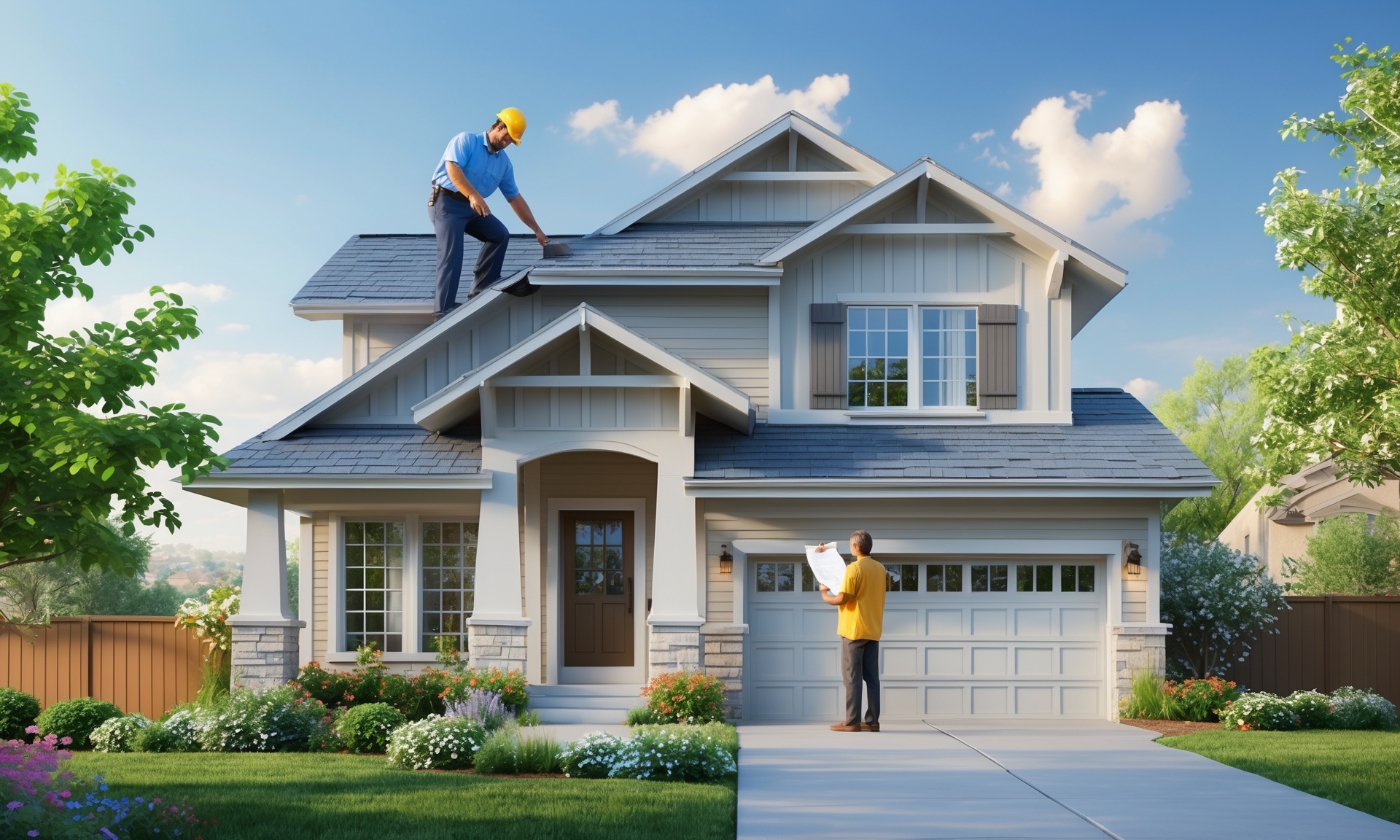
Routine inspections are the foundation of effective roof management. Skilled professionals utilize advanced tools, such as infrared scanners and moisture meters, to spot hidden vulnerabilities before they escalate. This proactive approach helps prevent costly damage and unexpected downtime. Maintenance programs, often scheduled seasonally or annually, include debris removal, gutter cleaning, and minor repairs that extend the roof’s lifespan and maintain warranty coverage.
When repairs are needed, local experts respond quickly with targeted solutions. From patching membrane punctures to resealing seams and flashing, their knowledge of regional weather patterns ensures repairs are built to last. For older systems or those beyond repair, contractors guide clients through the replacement process, recommending materials and designs that balance durability, energy efficiency, and aesthetics. Many also offer roof coatings and insulation upgrades to help businesses reduce energy costs and comply with evolving building standards.
By choosing a contractor with a comprehensive service portfolio, property owners in this area gain peace of mind knowing their roof is in capable hands, no matter what challenges arise throughout the year.
Understanding the Range of Commercial Roofing Systems
The commercial roofing industry offers a diverse array of systems, each tailored to specific building needs, climates, and budgets. Flat roofs are common on retail centers and warehouses, while low-slope and steep-slope options suit other commercial structures. Popular materials include single-ply membranes like TPO and EPDM, built-up roofing (BUR), modified bitumen, and metal panels.
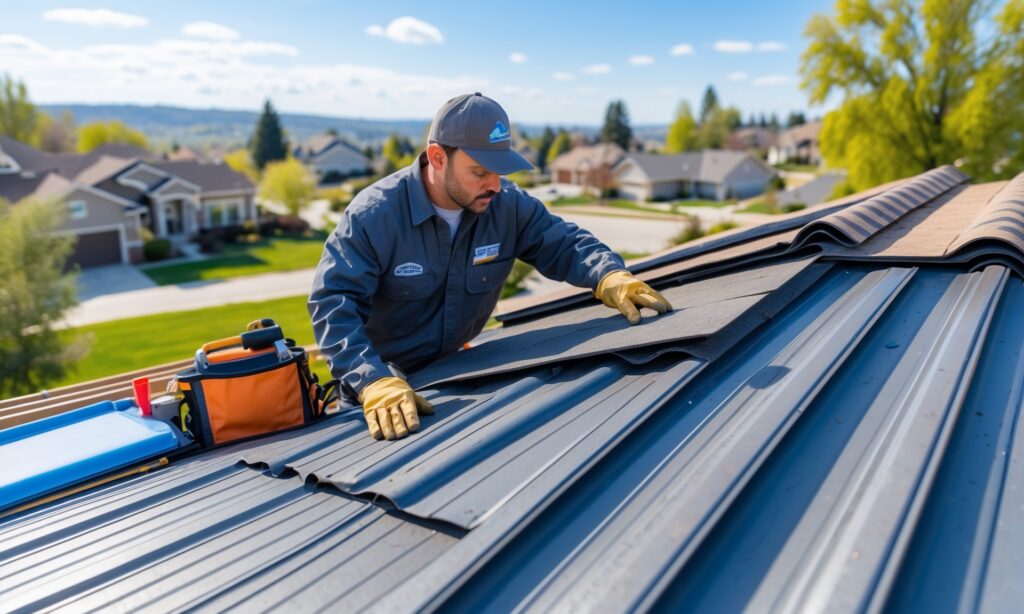
Each system brings unique advantages. For example, TPO and PVC membranes are known for their energy efficiency and resistance to UV rays, making them ideal for properties seeking to lower cooling costs. EPDM rubber roofs offer flexibility and durability, especially in regions with temperature extremes. Built-up roofs, constructed from layers of asphalt and reinforcing fabrics, provide robust protection against heavy foot traffic and mechanical equipment. Metal roofing, while more costly upfront, boasts exceptional longevity and fire resistance.
A skilled contractor helps clients evaluate these options based on building size, roof pitch, exposure to the elements, and long-term maintenance requirements. They also consider local codes and insurance requirements, ensuring every installation meets or exceeds industry standards. The right system not only protects your property but can also enhance curb appeal and contribute to sustainability goals.
Selecting the ideal roofing system is a collaborative process, with contractors providing detailed comparisons and real-world examples to help business owners make informed decisions that align with their operational priorities.
The Importance of Preventative Maintenance Programs
Preventative maintenance is one of the most valuable services a commercial roofing contractor can offer. Rather than waiting for leaks or visible damage to occur, a structured maintenance program identifies and addresses minor issues before they become major problems. This proactive approach can add years to your roof’s lifespan and significantly reduce overall repair costs.
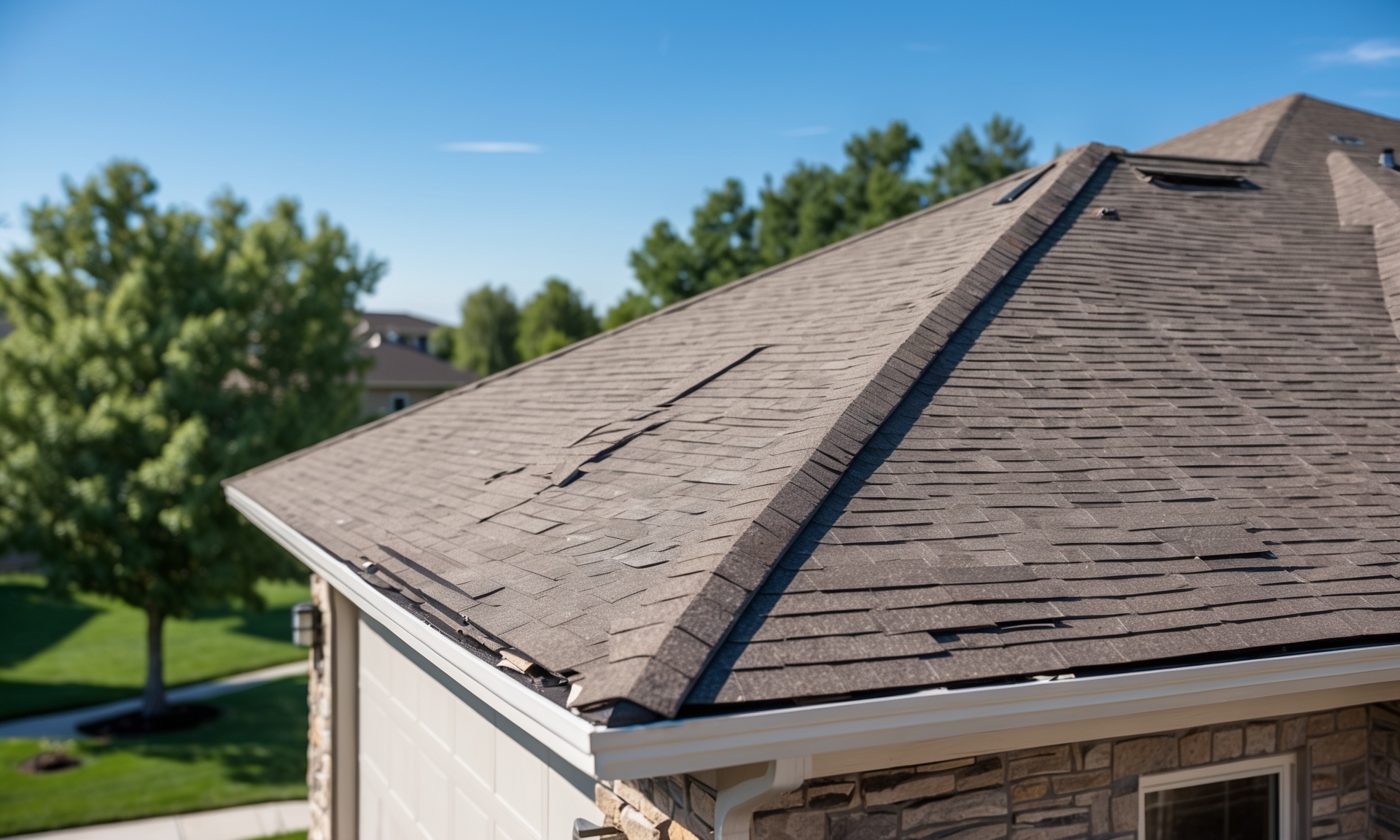
A typical maintenance visit includes a thorough inspection of membranes, flashings, drains, and rooftop equipment. Contractors look for signs of wear, ponding water, loose seams, and blocked drainage systems. They also check for damage caused by wind, hail, or debris. Small repairs, such as sealing cracks or replacing worn gaskets, are often completed on the spot.
Regular documentation of roof conditions is another benefit. Contractors provide detailed reports and photographs, helping property managers track the roof’s health over time and plan for future capital improvements. These records can also be invaluable during insurance claims or when selling the property.
By investing in a maintenance program, business owners in the region can avoid unexpected disruptions, maintain warranty coverage, and ensure their roof continues to perform optimally in all seasons.
Navigating Roof Repairs and Emergency Services
Even the best-maintained roofs can experience unexpected damage from storms, fallen branches, or mechanical failures. When emergencies strike, a responsive commercial roofing contractor is crucial for minimizing downtime and preventing further property damage.
Emergency services typically include rapid leak detection, temporary waterproofing, and prioritization of critical repairs. Contractors arrive equipped to handle a wide range of scenarios, from patching membrane tears to securing loose panels and clearing blocked drains. Their familiarity with the area’s weather patterns allows them to anticipate common issues and respond efficiently.
In addition to immediate repairs, contractors assess the underlying cause of the problem and recommend long-term solutions. They may suggest upgrades to drainage systems, improved flashing, or even partial roof replacements if the damage is extensive. Clear communication and transparent pricing are hallmarks of reputable firms, ensuring business owners understand their options and can make decisions with confidence.
Having a trusted contractor on call for emergencies gives property managers peace of mind, knowing help is just a phone call away whenever the unexpected occurs.
Energy Efficiency and Sustainable Roofing Solutions
Modern commercial roofing isn’t just about keeping water out. Energy efficiency and sustainability are increasingly important considerations for businesses aiming to reduce their environmental footprint and operating costs. Contractors now offer a variety of green roofing solutions, from reflective membranes to vegetative systems and solar-ready designs.
Reflective or “cool” roofs, such as white TPO or PVC, help deflect sunlight and lower building temperatures during hot summer months. This can translate into significant savings on air conditioning and improved comfort for occupants. Green roofs, which incorporate soil and plantings, provide natural insulation, reduce stormwater runoff, and create appealing outdoor spaces.
Many contractors also specialize in integrating solar panels with new or existing roofing systems. By coordinating with solar installers, they ensure the roof structure can support additional weight and that penetrations are properly sealed to prevent leaks. Upgraded insulation and air barriers further enhance energy performance, helping businesses meet or exceed local energy codes.
Choosing sustainable roofing options not only benefits the environment but can also enhance property value and qualify for utility rebates or tax incentives, making it a smart investment for forward-thinking organizations.
Project Management and Communication Best Practices
Managing a commercial roofing project requires more than technical skill, it demands clear communication, detailed planning, and a commitment to minimizing disruption to daily operations. Top contractors excel at project management, ensuring every phase runs smoothly from initial consultation to final inspection.
The process begins with a thorough site assessment and a transparent proposal outlining the scope of work, materials, timeline, and costs. Contractors coordinate with building managers to schedule work at convenient times, often outside of peak business hours, to reduce impact on tenants or customers. They also handle permitting and compliance with local building codes, streamlining the administrative side of the project.
Regular updates keep stakeholders informed of progress, any unforeseen challenges, and adjustments to the schedule. Safety protocols are strictly enforced to protect workers and building occupants. Upon completion, contractors conduct a final walkthrough, address any punch-list items, and provide documentation for warranties and maintenance recommendations.
Effective project management not only delivers a high-quality finished product but also builds long-term trust between contractors and their clients in the business community.
Warranty Coverage and Post-Installation Support
A new commercial roof is a significant investment, and warranty coverage provides essential protection for property owners. Leading contractors offer both manufacturer warranties on materials and workmanship guarantees on installation. Understanding the terms and exclusions of these warranties is crucial for maximizing their value.
Manufacturer warranties typically cover defects in roofing materials for periods ranging from 10 to 30 years, depending on the product and system. Workmanship warranties, offered by the contractor, ensure the installation meets industry standards and local codes. Some contractors also provide extended maintenance agreements that include regular inspections and minor repairs, further safeguarding your investment.
Prompt post-installation support is another hallmark of reputable firms. Whether it’s addressing a leak, clarifying warranty coverage, or providing documentation for insurance purposes, contractors remain accessible and responsive long after the initial project is complete. This ongoing relationship gives business owners confidence that their roof will continue to perform as expected for years to come.
Before signing any contract, property managers should review warranty documents carefully and ask questions to ensure they fully understand the coverage and maintenance requirements.
How to Evaluate and Choose the Right Contractor
Selecting a commercial roofing contractor is a decision that can impact your property for decades. Key factors to consider include experience, licensing, insurance, local reputation, and the range of services offered. Look for contractors with a proven track record in the area, as familiarity with local weather and building codes is invaluable.
Ask for references from previous clients and review online testimonials to gauge customer satisfaction. Verify that the contractor is fully licensed and carries adequate liability and workers’ compensation insurance. Detailed proposals and transparent pricing indicate professionalism and a commitment to quality.
It’s also important to assess communication skills and responsiveness. A contractor who listens to your concerns, answers questions promptly, and provides regular updates is more likely to deliver a positive experience. Finally, consider the contractor’s ability to provide ongoing maintenance and support, as this can make a significant difference in the long-term performance of your roof.
Choosing the right partner is about more than price, it’s about finding a team you can trust to protect your investment and support your business goals.
Commercial Roofing Services Comparison Table
| Service Type | Description | Ideal For |
|---|---|---|
| Roof Inspections | Comprehensive evaluation of roof condition, identifying issues early | Routine maintenance, property assessments |
| Preventative Maintenance | Scheduled cleaning, minor repairs, and documentation | Extending roof life, warranty compliance |
| Roof Repairs | Addressing leaks, punctures, and storm damage | Emergency response, damage control |
| Roof Replacement | Full removal and installation of new roofing system | Aging roofs, major upgrades |
| Energy Efficient Upgrades | Cool roofs, insulation, and solar integration | Reducing energy costs, sustainability |
What Sets Top Contractors Apart in This Area
Not all commercial roofing contractors deliver the same level of expertise or service. The most respected firms in the region distinguish themselves through technical knowledge, customer service, and a commitment to ongoing education. They invest in training and certifications, stay current with the latest materials and installation methods, and maintain strong relationships with leading manufacturers.
Top contractors also understand the unique challenges posed by the local climate, such as rapid temperature swings, hail, and heavy snow. Their experience enables them to recommend systems and maintenance strategies that perform reliably year after year. Transparent communication, detailed project documentation, and a focus on building long-term partnerships set these firms apart from the competition.
For business owners and developers, working with a contractor who prioritizes quality and customer satisfaction can make all the difference in achieving a successful project outcome and protecting your property investment for the long haul.
Final Thoughts
Choosing the right commercial roofing contractor is a critical decision for any business or property owner. From comprehensive service offerings and preventative maintenance to energy-efficient upgrades and responsive emergency repairs, top contractors provide the expertise and support needed to keep your building protected and your operations running smoothly. By understanding the full range of services available, evaluating contractors carefully, and investing in ongoing maintenance, you can maximize the value and longevity of your roof. In a community where weather and business needs are always evolving, having a trusted roofing partner ensures your property remains a safe, efficient, and valuable asset for years to come.