

Flat Roof Repair in Wheat Ridge, CO: Common Problems and Local Solutions

Flat roofs are a common sight on commercial buildings and some modern homes in the area, offering a sleek look and practical use of space. However, flat roof repair in Wheat Ridge, CO comes with its own unique set of challenges, from ponding water to punctures and membrane wear. For small business owners, developers, and anyone responsible for a flat-roofed property, knowing how to identify, prevent, and address these issues can save significant time and money. This guide dives deep into the most prevalent flat roof problems, why they occur in our region, and what local solutions are available to keep your roof in top shape. Whether you’re dealing with an aging roof or planning ahead, understanding the specifics of roof repair Wheat Ridge CO property owners face is essential for protecting your investment and ensuring long-term building performance.
Flat Roofs in the Area: What Makes Them Unique?
Flat roofs are especially popular for commercial buildings and multi-family properties in this community. Their design allows for easy installation of HVAC units, solar panels, and even rooftop decks. Unlike pitched roofs, flat roofs have a very low slope, which means water doesn’t run off as quickly. This design is efficient for maximizing usable space, but it also means that flat roofs are more susceptible to certain types of damage, particularly from standing water and debris accumulation.
The climate in the region, with its mix of snow, rain, and sunny days, puts unique stress on flat roofing materials. Freeze-thaw cycles can cause expansion and contraction, leading to cracks or splits in the membrane. The intense sun can also degrade roofing materials over time, making regular maintenance a must.
Because of these factors, flat roofs in the neighborhood require specialized repair techniques and materials. Local contractors are well-versed in addressing the specific challenges posed by the climate and building styles here. If you’re considering a new flat roof or need repairs, it’s critical to work with professionals who understand the unique needs of the area. Roper Roofing is one such provider with experience in flat roof systems tailored for local conditions.
Identifying the Most Common Flat Roof Problems
Flat roofs may look simple, but they can develop a range of problems that require prompt attention. Some of the most frequent issues include:
- Ponding Water: Water that remains on the roof for more than 48 hours after a rainstorm can cause leaks and structural damage.
- Blistering and Bubbling: Trapped moisture or air beneath the membrane can create blisters, which may eventually burst and expose the roof to leaks.
- Membrane Cracks and Splits: Exposure to the elements, especially rapid temperature changes, can cause the roofing membrane to crack or split.
- Punctures and Tears: Foot traffic, falling branches, or debris can puncture the membrane, allowing water to seep in.
- Flashing Failures: Poorly installed or deteriorated flashing around roof edges and penetrations is a common source of leaks.
Recognizing these problems early is crucial. Even small issues, if left unaddressed, can lead to major repairs or even premature roof replacement. For a comprehensive guide on early warning signs and what to look for, check out How Wheat Ridge, CO Homeowners Can Spot Early Signs Their Roof Needs Repair.
Why Flat Roofs Leak and How to Prevent It
Leaks are among the most common and costly problems for flat roofs. The main causes include ponding water, membrane damage, and poor drainage. When water cannot drain properly, it finds its way through even the smallest openings, leading to leaks inside the building. Over time, this can damage insulation, ceilings, and even the structure itself.
Prevention starts with regular inspections and maintenance. Property owners should schedule professional roof inspections at least twice a year, ideally in spring and fall. Keeping drains and gutters clear of debris is essential for preventing ponding. Additionally, ensuring that the roof membrane is intact and that flashing is properly sealed will go a long way in keeping water out.
For business owners and developers, investing in preventative maintenance can save thousands in repair costs over the life of the roof. If you’re looking for expert help with ongoing care or need a major repair, consider the Top Commercial Roofing Contractor Services in Wheat Ridge, CO for tailored solutions.
Ponding Water: Causes, Risks, and Solutions
Ponding water is a persistent issue on flat roofs, especially after heavy rain or snowmelt. It occurs when water cannot find its way to the drains due to poor slope, clogged drainage systems, or settling of the roof structure over time. If water sits on the roof for more than a couple of days, it can lead to membrane deterioration, leaks, and even structural sagging.
The risks of ponding water extend beyond leaks. Standing water can attract insects, encourage algae growth, and add unnecessary weight to the roof, potentially causing long-term damage. To address ponding, roofing professionals may install tapered insulation systems to improve drainage, repair or replace damaged drains, and reinforce low spots with additional material.
Routine maintenance, such as clearing debris from drains and gutters, is the first line of defense. In some cases, a full roof assessment may be necessary to determine if structural repairs are required. Addressing ponding water quickly can prevent more serious issues and extend the life of your flat roof.
Membrane Damage: Types and Repair Options
The membrane is the heart of any flat roof system, providing a waterproof barrier against the elements. Over time, this membrane can suffer from various forms of damage, including cracks, blisters, punctures, and shrinkage. Each type of damage requires a different repair approach:
- Cracks and Splits: Usually repaired with patches or liquid-applied sealants designed for the specific membrane type (EPDM, TPO, or modified bitumen).
- Blisters: May need to be cut open, dried, and patched to restore a watertight seal.
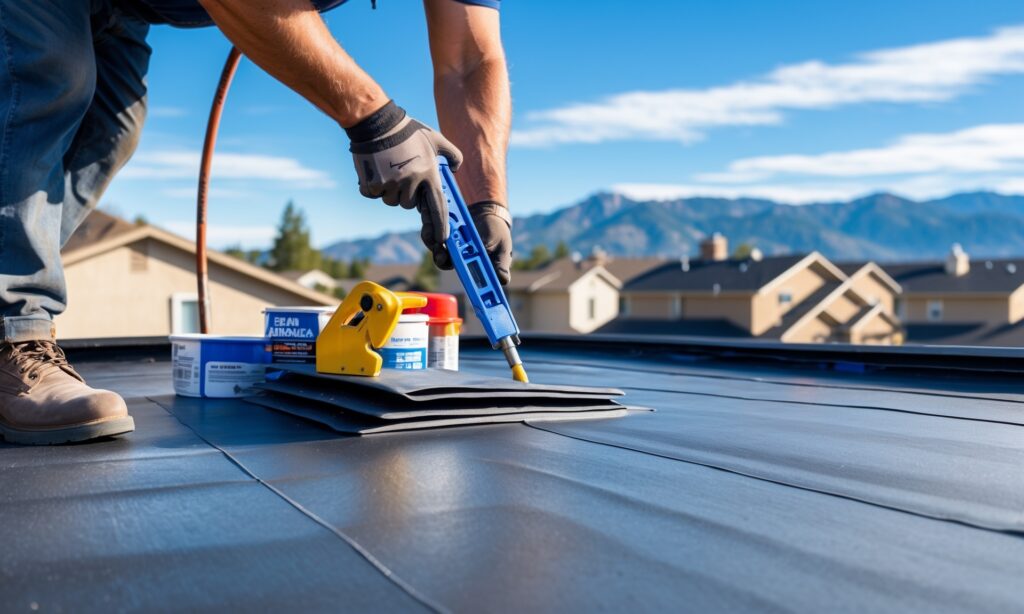
- Punctures: Require cleaning, priming, and patching with compatible materials.
- Shrinkage: In severe cases, sections of the membrane may need to be replaced to prevent further damage.
Choosing the right repair method depends on the membrane material and the extent of the damage. Professional roofers use specialized tools and products to ensure repairs are durable and compatible with the existing system. Attempting DIY repairs can sometimes make the problem worse, so it’s best to consult with a local expert for significant membrane issues.
The Importance of Proper Drainage Systems
An efficient drainage system is vital for the longevity of any flat roof. Without proper drainage, even the best roofing materials will fail over time. Flat roofs typically use a combination of internal drains, scuppers, and gutters to channel water away from the building. If any part of this system becomes blocked or damaged, water will accumulate and increase the risk of leaks.
Regularly inspecting and cleaning drains, especially after storms or during the fall when leaves are abundant, is a simple yet effective way to prevent problems. For older buildings, upgrading the drainage system to modern standards can dramatically reduce maintenance needs and improve roof performance. In some cases, adding additional drains or increasing the slope of the roof may be necessary to ensure water flows off efficiently.
Investing in proper drainage is a proactive step that pays off by reducing repair costs and preventing interior water damage. If you notice slow-draining water or frequent ponding, it’s time to have your system evaluated by a roofing professional.
Comparing Flat Roof Repair Materials and Methods
Not all flat roof repairs are created equal. The best repair method depends on the type of membrane, the extent of the damage, and the building’s use. Here’s a quick comparison of common flat roof repair materials and techniques:
| Repair Material | Best For | Typical Lifespan |
|---|---|---|
| EPDM Patch | Rubber membrane repairs | 10-15 years |
| TPO Weld | Thermoplastic membrane seams | 10-20 years |
| Modified Bitumen Patch | Asphalt-based roofs | 8-12 years |
| Liquid-Applied Coating | Sealing large areas or small cracks | 5-10 years |
Selecting the right material and method ensures the repair is effective and long-lasting. Consulting with a local roofing contractor can help you determine the best option for your specific roof type and budget.
Seasonal Maintenance Tips for Flat Roof Longevity
Maintaining a flat roof is a year-round responsibility. Seasonal changes bring different challenges, and staying proactive can prevent costly repairs. Here are some key maintenance tips for each season:
- Spring: Inspect for winter damage, clear drains and gutters, and check for new cracks or blisters.
- Summer: Monitor for UV damage, ensure membrane seams are intact, and remove any debris that could puncture the roof.
- Fall: Remove leaves and organic matter, check drainage systems, and prepare for potential snow accumulation.
- Winter: Watch for ice dams, avoid unnecessary foot traffic on the roof, and promptly address any leaks or water intrusion.
Regular maintenance not only extends the lifespan of your flat roof but also helps maintain energy efficiency and indoor comfort. Scheduling professional inspections at least twice a year is a smart investment for any property owner.
When to Repair and When to Replace a Flat Roof
Deciding whether to repair or replace a flat roof can be challenging. Minor issues like isolated leaks, small punctures, or limited membrane damage can often be resolved with targeted repairs. However, if the roof is nearing the end of its expected lifespan, has widespread damage, or has experienced multiple leaks, replacement may be the more cost-effective option in the long run.
Factors to consider include the age of the roof, the type and extent of damage, and your long-term plans for the property. A professional assessment can provide clarity on the best course of action. In some cases, a combination of repairs and upgrades, such as adding new drainage or improving insulation, can extend the life of the existing roof.
Ultimately, the decision should be based on a careful evaluation of costs, benefits, and the specific needs of your building. Consulting with a reputable local contractor ensures you get honest advice and quality workmanship.
Choosing a Local Flat Roof Repair Specialist
Selecting the right contractor is crucial for successful flat roof repairs. Look for companies with experience in the types of roofing systems common to this region and a track record of quality work. Ask for references, check online reviews, and verify licensing and insurance before hiring.
A good local specialist will offer a thorough inspection, explain your options clearly, and provide a detailed estimate. They should also be familiar with local building codes and climate challenges, ensuring your repair or replacement meets all requirements. Building a relationship with a trusted roofer can make ongoing maintenance and future repairs much easier.
Remember, the lowest bid isn’t always the best choice. Quality materials, skilled labor, and responsive customer service are worth the investment when it comes to protecting your property.
Final Thoughts
Flat roof repair in this city requires a proactive approach, a clear understanding of common issues, and a willingness to invest in regular maintenance. By staying informed about the unique challenges flat roofs face in our climate and working with experienced local professionals, you can extend the life of your roof and protect your investment. Whether you’re a small business owner, developer, or property manager, addressing problems early and choosing the right repair strategies will save you time, money, and stress in the long run. Don’t wait for a major leak or visible damage, make flat roof care a priority and enjoy peace of mind, no matter the season.