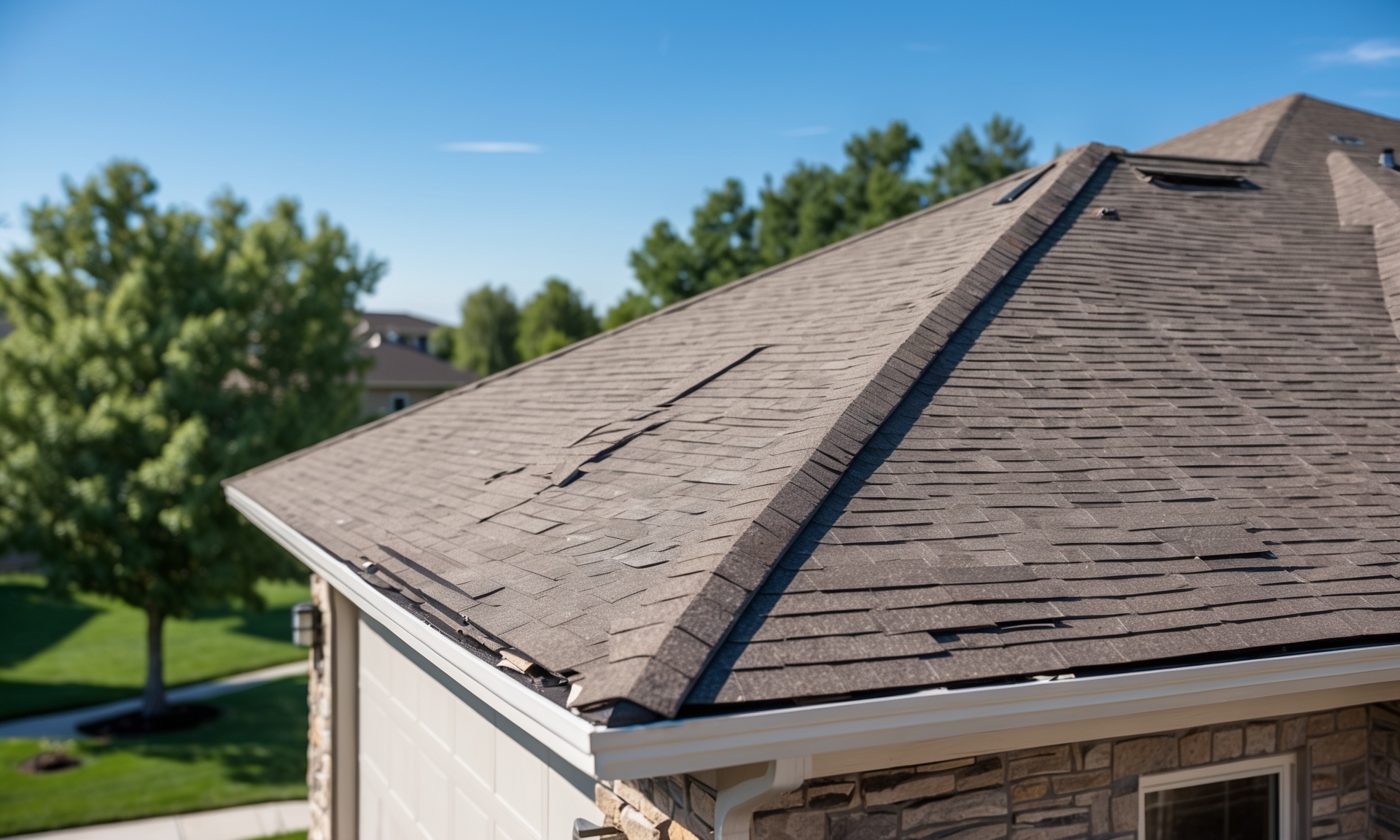




Maintaining your home’s roof is one of the smartest investments you can make, especially in a place with unpredictable weather patterns and seasonal changes. As a homeowner, understanding how each season affects your roof can help prevent costly repairs and extend the lifespan of your property’s most important protective barrier. If you’re searching for a reliable residential roofing company Wheat Ridge CO residents trust, you’re already on the right path to safeguarding your investment. In this comprehensive guide, we’ll walk you through the most effective seasonal roof maintenance strategies tailored for local conditions, ensuring your home stays safe, dry, and energy-efficient year-round. Whether you’re a small business owner managing rental properties, a developer overseeing multiple homes, or simply a homeowner wanting peace of mind, these tips will empower you to take proactive steps and make informed decisions about your roof’s care.
Understanding Local Weather and Its Impact on Roofs
The unique climate in this region presents a variety of challenges for residential roofs. From heavy spring rains to summer’s intense sun, autumn’s falling leaves, and winter’s snow and ice, each season brings its own set of threats. Local weather can cause shingles to crack, flashing to loosen, and gutters to clog, all of which can lead to leaks or structural damage if not addressed promptly. The freeze-thaw cycles common in the area can also accelerate wear and tear, making regular inspections a necessity. Understanding these patterns is the first step toward effective roof maintenance, allowing you to anticipate issues before they become major problems. Partnering with Roper Roofing ensures you have experts who know exactly how to address these local challenges.
For homeowners and property managers, being aware of how the environment interacts with roofing materials is crucial. For example, asphalt shingles may become brittle in cold weather, while metal roofs can expand and contract, loosening fasteners over time. Being proactive about roof care, especially after severe weather events, can save you from unexpected expenses and disruptions.
If you’re new to the area or have recently purchased a home, consider scheduling a professional inspection to establish a baseline for your roof’s condition. This will help you prioritize maintenance tasks and budget for future repairs or upgrades. Remember, the goal is not just to react to problems, but to prevent them through informed, seasonal care.
Spring Cleaning: Preparing Your Roof for the Year Ahead
Spring is the ideal time to assess any damage left by winter’s snow and ice. As temperatures rise, take the opportunity to clear away debris, check for missing or damaged shingles, and ensure your gutters are free-flowing. Clogged gutters can cause water to back up under your roofing materials, leading to leaks and potential mold growth inside your attic or walls.
Inspect the flashing around chimneys, skylights, and vents for signs of rust or separation. These areas are particularly vulnerable to water intrusion. Moss and algae growth, which can thrive in moist spring conditions, should be removed promptly to prevent shingle decay. Use a gentle cleaning solution and a soft brush to avoid damaging the roofing material.
Spring is also a good time to look for signs of animal activity. Birds, squirrels, and other critters may have sought shelter in your attic during the colder months, potentially damaging insulation or wiring. Address any entry points and repair them to prevent future infestations. For a detailed look at what to expect during a major upgrade, see Residential Roof Replacement in Wheat Ridge, CO: What Local Homeowners Should Expect.
Finally, take advantage of the milder weather to schedule any necessary repairs. Roofing professionals are often less busy in spring than during peak summer months, making it easier to book timely service. By addressing issues early, you’ll set your roof up for a successful year ahead.
Summer Heat and Sun: Protecting Your Roof from UV Damage
While summer brings long days and pleasant weather, it also exposes your roof to intense ultraviolet rays and high temperatures. Over time, constant sun exposure can cause roofing materials to deteriorate, leading to faded shingles, cracked sealants, and weakened underlayment. It’s important to monitor your roof’s condition during this season, especially if your home is in a sunny, unshaded spot.
Check for signs of blistering or curling shingles, which indicate heat damage. If you notice granules collecting in your gutters or downspouts, it may be a sign that your shingles are losing their protective coating. Regularly trimming overhanging tree branches can help minimize debris accumulation and reduce the risk of falling limbs during summer storms.
Proper attic ventilation is another key factor in preventing heat buildup and moisture problems. Ensure that vents are unobstructed and functioning correctly to allow hot air to escape, which can help extend the life of your roofing system and improve indoor comfort. Business owners managing multiple properties should pay particular attention to these details, as neglected roofs can lead to higher repair costs and insurance claims. For those overseeing commercial buildings, Commercial Roofing Solutions for Wheat Ridge, CO Businesses offers insights tailored to your needs.
Finally, consider applying a reflective roof coating if your home is especially exposed to sunlight. These coatings can reduce surface temperatures, lower cooling costs, and add an extra layer of protection against UV damage. Always consult with a professional before applying any product to ensure compatibility with your existing roofing materials.
Autumn Preparations: Getting Ready for Falling Leaves and Cooler Weather
As the air turns crisp and leaves begin to fall, autumn presents its own set of maintenance tasks for homeowners. Leaves, twigs, and other debris can quickly accumulate on your roof and in your gutters, leading to blockages that impede water flow. It’s essential to clear these materials regularly to prevent water from pooling on your roof or spilling over the sides of your gutters, which can cause foundation problems and ice dams later in the season.
Take time to inspect your roof for any damage caused by summer storms, such as loose shingles or dented flashing. Addressing these issues before winter sets in will help your roof withstand the added weight of snow and ice. Check for signs of wear around roof penetrations, such as vent pipes and exhaust fans, as these are common sources of leaks.
Trimming back tree branches that hang over your roof can prevent them from breaking off during storms and causing damage. It also reduces the amount of organic debris that ends up on your roof, minimizing the risk of mold and mildew growth. Clean and inspect attic insulation to ensure it’s in good condition, as proper insulation helps regulate temperature and prevents ice dams from forming.
Finally, autumn is an excellent time to schedule a professional roof inspection. Experts can identify minor issues that might be missed during a DIY check, giving you peace of mind as you head into the colder months. By staying proactive, you’ll ensure your home remains protected throughout the changing seasons.
Winter Worries: Preventing Ice Dams and Snow Damage
Winter brings unique challenges for roofs, including heavy snow accumulation, ice dams, and freeze-thaw cycles. When snow melts and refreezes at the roof’s edge, it can create ice dams that block proper drainage. Water trapped behind these dams can seep under shingles, leading to leaks and potential structural damage.
To prevent ice dams, ensure your attic is properly insulated and ventilated. This keeps the roof’s surface temperature consistent, reducing the likelihood of snow melting unevenly. Remove excess snow from your roof with a roof rake, but avoid using sharp tools that could damage shingles. Pay special attention to valleys and eaves, where snow tends to accumulate most.
Inspect your gutters and downspouts before winter begins to ensure they’re clear of debris. Blocked gutters can exacerbate ice dam formation and cause water to back up onto your roof. Consider installing gutter guards to minimize the need for frequent cleaning during the colder months.
If you notice icicles forming along your roofline, it may be a sign of poor ventilation or insulation. Address these issues promptly to prevent long-term damage. For severe or recurring problems, consult a professional roofing contractor who can recommend solutions tailored to your home’s specific needs. Taking these precautions will help your roof weather the winter safely and efficiently.
Routine Inspections: What to Look for Each Season
Consistent inspections are the cornerstone of effective roof maintenance. By checking your roof at least twice a year, ideally in spring and autumn, you can catch small issues before they escalate into costly repairs. During your inspection, look for missing, cracked, or curling shingles, as well as signs of moss, algae, or lichen growth. Pay attention to flashing around chimneys, vents, and skylights, as these are common leak points.
Check the condition of your gutters and downspouts, ensuring they’re securely attached and free from blockages. Inspect attic spaces for signs of water intrusion, such as stained insulation or damp rafters. If you notice an increase in energy bills, it could indicate inadequate insulation or ventilation, both of which can impact your roof’s performance.
If you’re uncomfortable performing these inspections yourself, consider hiring a professional roofing company. They have the expertise and equipment to safely assess your roof’s condition and recommend appropriate maintenance or repairs. Documenting your inspections with photos and notes can also be helpful for insurance purposes and future reference.
Remember, regular inspections are not just about finding problems, they’re about maintaining the overall health and longevity of your roof. By staying vigilant, you can protect your home and avoid unexpected surprises.
Essential Roof Maintenance Checklist for Homeowners
Staying organized with a seasonal maintenance checklist can make roof care more manageable. Below is a table outlining key tasks to perform throughout the year. Adjust these recommendations based on your home’s specific needs and any advice from your roofing professional.
| Season | Key Maintenance Tasks |
|---|---|
| Spring | Clear debris, inspect for winter damage, clean gutters, check flashing, remove moss and algae |
| Summer | Check for UV damage, inspect attic ventilation, trim overhanging branches, monitor for loose shingles |
| Autumn | Remove leaves, inspect for storm damage, check insulation, schedule professional inspection |
| Winter | Remove excess snow, monitor for ice dams, check attic for leaks, ensure gutters are clear |
Using this checklist as a guide will help you stay on top of essential tasks and reduce the risk of unexpected roof problems. Customize it as needed to reflect your home’s unique features and your own maintenance schedule.
Choosing the Right Materials for Seasonal Durability
The longevity and performance of your roof depend greatly on the materials used. While some materials excel in certain climates, others may require more frequent maintenance or replacement. Asphalt shingles are popular for their affordability and ease of installation, but they can be vulnerable to hail and high winds. Metal roofs offer excellent durability and reflectivity, making them ideal for homes exposed to intense sunlight, but they require proper installation to accommodate expansion and contraction.
Tile and slate roofs provide exceptional longevity and resistance to fire, but they are heavier and may require structural reinforcement. Synthetic materials, such as rubber or polymer-based shingles, are gaining popularity for their resilience and low maintenance needs. When selecting roofing materials, consider factors like local weather patterns, your home’s architectural style, and your long-term maintenance goals.
Consulting with a professional roofing company can help you choose materials that balance aesthetics, durability, and cost-effectiveness. They can also advise on the best underlayment, flashing, and ventilation options to maximize your roof’s performance throughout the year.
Remember, investing in high-quality materials upfront can save you money on repairs and replacements over time. Prioritize products that are rated for the local climate and backed by strong warranties for added peace of mind.
DIY Maintenance vs. Professional Roofing Services
Many homeowners enjoy tackling minor roof maintenance tasks themselves, such as cleaning gutters or removing debris. However, certain jobs are best left to professionals, especially those involving heights, complex repairs, or specialized equipment. Attempting major repairs without proper training can lead to injury or further damage to your roof.
Professional roofing companies bring expertise, safety equipment, and knowledge of local building codes to every job. They can identify hidden issues that may not be apparent to the untrained eye, ensuring your roof receives the care it needs. Additionally, many manufacturers require professional installation or maintenance to uphold warranty coverage.
If you choose to perform basic maintenance yourself, always prioritize safety. Use a sturdy ladder, wear non-slip shoes, and avoid working on the roof during wet or windy conditions. For more complex tasks, such as replacing shingles or repairing flashing, schedule a consultation with a trusted roofing contractor. They can provide a thorough assessment and recommend the most effective solutions for your home.
Balancing DIY efforts with professional support is the best way to maintain your roof’s integrity and maximize its lifespan. Don’t hesitate to seek expert advice when in doubt.
Budgeting for Roof Maintenance and Repairs
Planning ahead for roof maintenance and unexpected repairs is a smart financial move for homeowners and property managers alike. While regular inspections and minor upkeep can help prevent major issues, it’s important to set aside funds for larger projects, such as replacing damaged shingles or addressing leaks.
Start by reviewing your roof’s age, material, and maintenance history to estimate future costs. Many experts recommend allocating a small percentage of your home’s value each year for ongoing maintenance. This proactive approach can help you avoid the stress of emergency repairs and ensure your roof remains in top condition.
When budgeting for repairs, get multiple quotes from reputable contractors to ensure you’re receiving fair pricing and quality service. Ask about warranties, payment plans, and seasonal discounts that may be available. If your roof is nearing the end of its lifespan, consider discussing replacement options with a professional to determine the most cost-effective path forward.
By planning ahead and working with trusted professionals, you can manage roof maintenance costs effectively and protect your investment for years to come.
Working with Local Experts for Peace of Mind
Choosing a local roofing company offers several advantages, from faster response times to a deeper understanding of regional weather patterns and building codes. Local experts are familiar with the specific challenges homeowners face and can recommend solutions tailored to your property’s needs.
When selecting a contractor, look for companies with strong reputations, positive customer reviews, and proper licensing and insurance. Ask about their experience with homes similar to yours and request references if needed. A reputable residential roofing company in this community will prioritize clear communication, transparent pricing, and high-quality workmanship.
Building a relationship with a trusted local roofer can provide peace of mind, knowing you have a reliable partner to turn to for routine maintenance, emergency repairs, or long-term upgrades. Don’t hesitate to reach out with questions or concerns, experienced professionals are always happy to help you protect your home.
By working together, you can ensure your roof remains strong, secure, and ready to handle whatever the seasons bring.
Final Thoughts
Proactive roof maintenance is essential for protecting your home, preserving its value, and ensuring year-round comfort. By understanding how each season impacts your roof and following a structured maintenance plan, you can prevent minor issues from becoming costly repairs. Whether you handle basic tasks yourself or rely on the expertise of a residential roofing company Wheat Ridge CO homeowners trust, regular care will extend the life of your roof and provide lasting peace of mind.
Remember, every home is unique, and your maintenance needs may vary based on your roof’s age, material, and exposure to the elements. Stay vigilant, schedule routine inspections, and don’t hesitate to seek professional advice when needed. With the right approach, your roof will continue to protect your family and investment through every season.