

Hail and Wind Damage Roof Repairs in Wheat Ridge, CO: A Homeowner’s Next Steps

Hailstorms and high winds are a fact of life for homeowners in this region, and they can leave even the most well-built roofs in need of urgent attention. If you’re searching for roof repair Wheat Ridge CO after a recent storm, you’re not alone. Many residents and business owners find themselves facing difficult decisions about what to do next when their shingles are scattered across the yard or water is seeping through the ceiling. Understanding your options, knowing what to look for, and taking the right steps can make all the difference between a quick recovery and ongoing headaches. This guide will walk you through the process, from spotting the first signs of damage to making informed repair choices, so you can protect your investment and restore peace of mind. Whether you’re a small business owner, a developer, or a homeowner, you’ll find practical advice and local insights tailored to the unique challenges of our community’s weather.
Recognizing the Signs of Hail and Wind Roof Damage
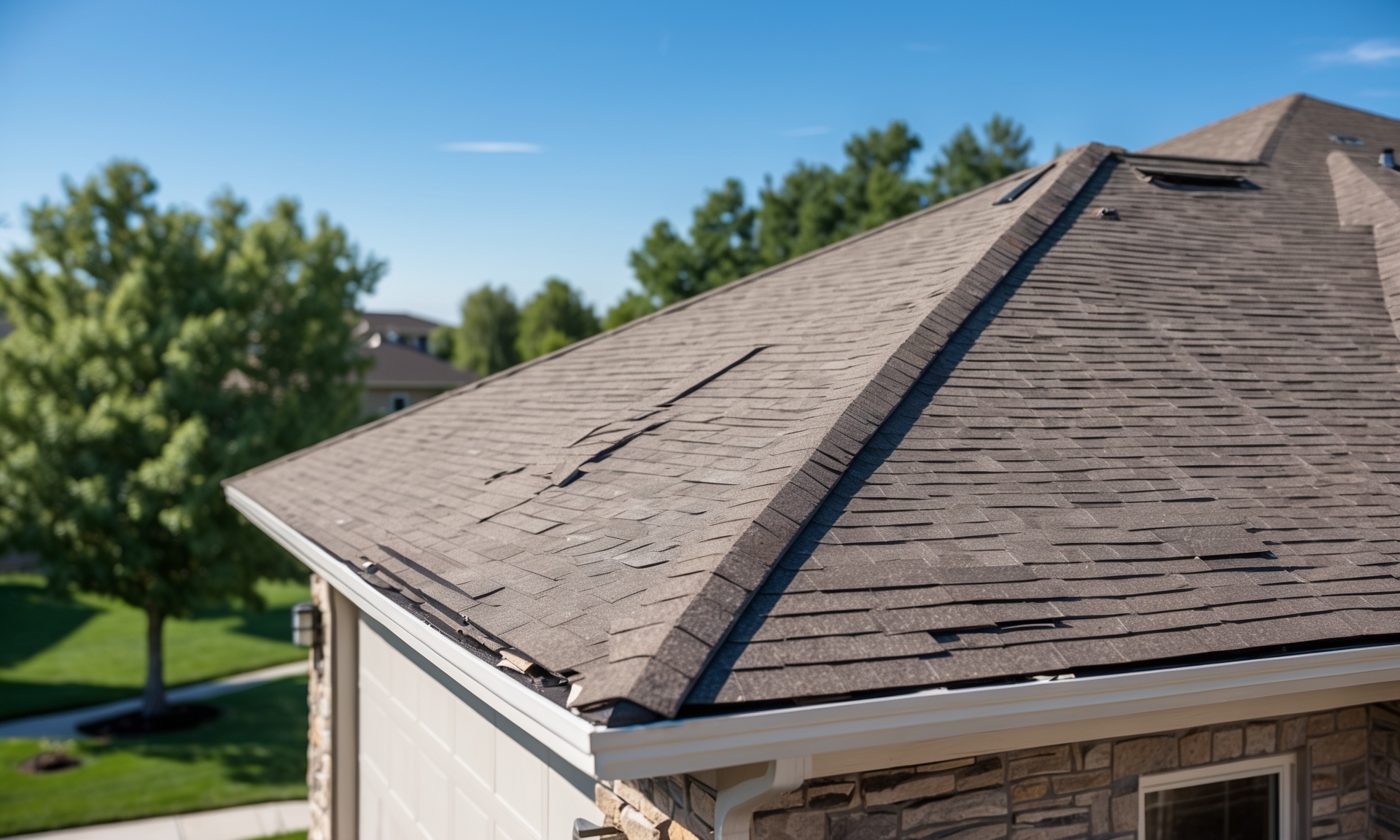
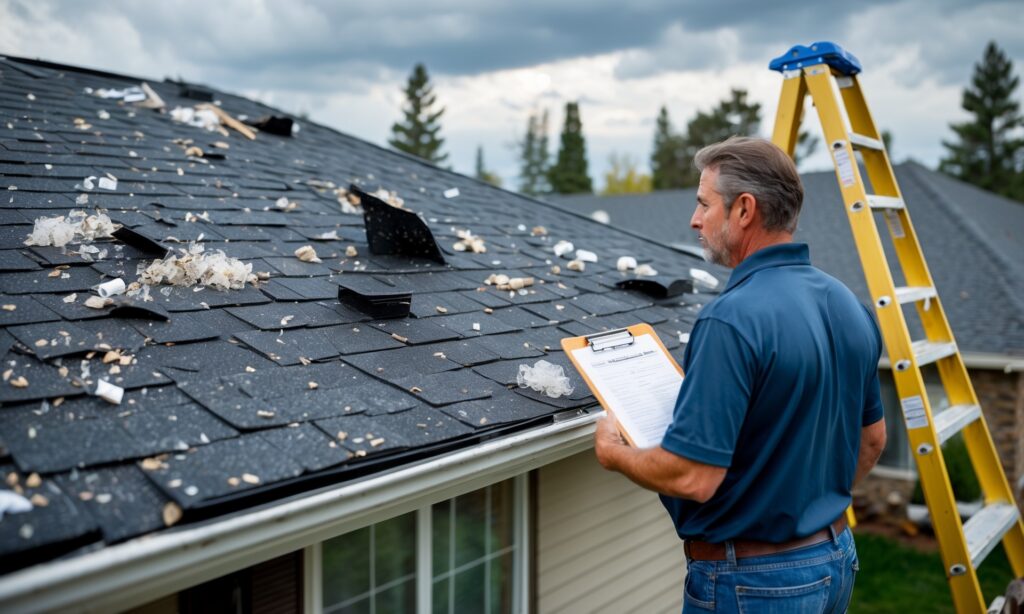
After a severe storm, it’s not always obvious whether your roof has sustained damage. Hail can bruise or crack shingles, while strong winds may lift or tear them away entirely. Sometimes, the signs are subtle: a few granules in the gutters, a slight discoloration, or a shingle that looks just a bit out of place. Other times, the evidence is dramatic, with missing shingles, exposed underlayment, or even visible holes. It’s important to inspect your roof from the ground first, looking for scattered debris, dented flashing, or damaged vents. If you notice water stains on your ceilings or walls, that’s a clear sign moisture has found its way inside. Keep in mind that not all damage is immediately visible; some issues, like compromised seals or minor punctures, can develop into bigger problems over time. If you’re unsure, it’s wise to consult a professional like Roper Roofing for a thorough assessment. Acting quickly can prevent further deterioration and help you document the damage for insurance purposes.
First Steps to Take After a Storm Hits
The hours and days following a major storm are crucial for homeowners and business owners alike. Safety should always be your first priority, avoid climbing on the roof yourself, especially if it’s wet or unstable. Instead, walk around your property and take photos of any visible damage, both to the roof and surrounding areas. Document everything, including broken windows, damaged gutters, and outdoor furniture that may have been affected. These records will be invaluable if you need to file an insurance claim later. Next, check your attic or upper floors for signs of leaks or water intrusion. Place buckets or tarps under active leaks to minimize interior damage. If you suspect structural issues or see exposed wood, contact a roofing professional immediately. Many companies offer emergency tarping services to protect your home until permanent repairs can be made. For a detailed list of what to look for, consult the Roof Inspection Checklist for Wheat Ridge, CO Homeowners Before Buying or Selling. Acting swiftly can help you avoid further complications and streamline the repair process.
Understanding Roof Repair Options in Wheat Ridge
When it comes to addressing hail and wind damage, homeowners in the area have several repair options. The extent of the damage, the age of your roof, and the type of materials used will all influence your choices. In some cases, a simple patch or shingle replacement may suffice, especially if the damage is localized. However, more extensive issues such as widespread granule loss, multiple missing shingles, or compromised underlayment may require a larger-scale repair or even a full replacement. It’s also important to consider the long-term durability of your chosen solution, quick fixes can sometimes lead to recurring problems if underlying issues aren’t addressed. Local contractors are familiar with the unique weather challenges here and can recommend materials and installation methods that stand up to future storms. For business owners, commercial properties may require specialized solutions, which you can explore through Top Commercial Roofing Contractor Services in Wheat Ridge, CO. Always request a detailed estimate and ask about warranties, as reputable companies will stand behind their work and materials.
How Hail and Wind Affect Different Roofing Materials
Not all roofs respond to hail and wind in the same way. Asphalt shingles, the most common roofing material in the region, are especially vulnerable to hail impact, which can dislodge granules and leave the underlying mat exposed. Wood shakes may split or crack, while metal roofs can dent or suffer from loosened fasteners. Tile roofs, although durable, can experience breakage or displacement under severe wind gusts. Flat roofs, often found on commercial buildings, may develop blisters or punctures from flying debris. Understanding the strengths and weaknesses of your roof’s material can help you anticipate the type of damage to look for and inform your repair decisions. For example, metal roofs may need panel replacement rather than patching, while tile roofs often require careful matching of replacement tiles. Consulting a local roofing expert ensures that repairs are tailored to your specific material and climate conditions, maximizing the lifespan of your investment.
Navigating the Insurance Claim Process
Filing an insurance claim for storm damage can feel overwhelming, especially if you’ve never done it before. Start by reviewing your homeowner’s policy to understand what is and isn’t covered. Most policies include protection against hail and wind, but coverage details, deductibles, and exclusions can vary. Document the damage thoroughly with photos and notes, and keep receipts for any temporary repairs you make. Contact your insurance company as soon as possible to report the loss and schedule an adjuster’s visit. It’s often helpful to have a roofing professional present during the inspection to ensure all damage is properly identified and documented. Be prepared to provide copies of estimates and any correspondence with contractors. Remember, you have the right to choose your own repair company, so don’t feel pressured to go with the insurer’s preferred provider if you have a trusted local option. Patience and persistence are key, as the claims process can take time, especially after widespread storms.
Choosing a Reliable Local Roofing Contractor
Selecting the right contractor is one of the most important decisions you’ll make after storm damage. Look for companies with a strong local presence and a track record of quality work in the community. Check for proper licensing, insurance, and certifications, and ask for references from recent projects. Beware of out-of-town “storm chasers” who may offer quick fixes but disappear when problems arise later. A reputable contractor will provide a detailed written estimate, explain your options clearly, and answer any questions you have about materials, timelines, and warranties. Communication is key, choose a company that keeps you informed throughout the process and stands behind their work. Don’t be afraid to get multiple quotes, but remember that the cheapest option isn’t always the best. Quality workmanship and reliable service are worth the investment when it comes to protecting your home or business.
Preventing Future Storm Damage
While you can’t control the weather, there are steps you can take to minimize future roof damage. Regular inspections and maintenance help catch small issues before they become major problems. Consider upgrading to impact-resistant shingles or metal roofing, which are designed to withstand hail and high winds. Ensure that flashing, vents, and gutters are securely fastened and free of debris. Trim overhanging branches and secure loose items in your yard to reduce the risk of flying debris during storms. If your roof is nearing the end of its lifespan, proactive replacement with modern, durable materials can save you money and stress down the road. Many local contractors offer maintenance plans that include periodic inspections and minor repairs, giving you peace of mind year-round. Investing in prevention is one of the best ways to protect your property and avoid costly emergency repairs in the future.
Common Mistakes Homeowners Make After Storms
It’s easy to make mistakes in the aftermath of a damaging storm, especially when you’re dealing with the stress of repairs and insurance claims. One of the most common errors is delaying action, waiting too long to address damage can lead to leaks, mold, and structural issues. Some homeowners attempt DIY repairs without the proper tools or experience, which can create safety risks and void warranties. Others accept the first estimate they receive or hire unlicensed contractors who offer low prices but cut corners. Failing to document damage thoroughly can also complicate insurance claims and reduce your chances of full reimbursement. To avoid these pitfalls, act quickly, consult professionals, and keep detailed records of all communications and repairs. Taking the right steps early on can save you time, money, and frustration as you restore your home.
Cost Factors and What to Expect for Repairs
The cost of roof repairs after hail or wind damage can vary widely depending on several factors. The size of your roof, the extent of the damage, the type of materials used, and the complexity of the repair all play a role. Labor costs may also fluctuate based on demand, especially after widespread storms when contractors are in high demand. Additional expenses can include permits, disposal fees, and upgrades to meet current building codes. While insurance may cover much of the cost, you’ll still be responsible for your deductible and any upgrades you choose. It’s important to get a detailed, written estimate that breaks down all charges and outlines the scope of work. Ask about payment options, timelines, and warranty coverage so you know exactly what to expect. Planning ahead and budgeting for potential repairs can help reduce financial stress when storms strike.
| Repair Type | Typical Scope | Considerations |
|---|---|---|
| Shingle Replacement | Localized, up to 10% of roof | Good for minor hail/wind damage |
| Partial Roof Repair | Multiple sections affected | May require color/material matching |
| Full Roof Replacement | Entire roof system | Best for extensive or old roofs |
| Emergency Tarping | Temporary coverage | Prevents further water intrusion |
What to Ask Before Approving Roof Repairs
Before signing off on any roof repair project, it’s essential to ask the right questions. Find out exactly what work will be done, what materials will be used, and how long the repairs will take. Ask if the contractor will handle permits and inspections, and clarify who is responsible for cleanup and debris removal. Make sure you understand the warranty terms for both materials and labor. Request proof of insurance and licensing, and confirm that the company has experience with the type of roof you have. It’s also wise to ask about payment schedules and what happens if additional damage is discovered during the repair process. A reputable contractor will be transparent, provide clear answers, and put everything in writing. Taking the time to ask these questions upfront can help you avoid misunderstandings and ensure a smooth, successful repair experience.
Your Next Steps
Dealing with hail and wind damage can be stressful, but taking a proactive approach helps you regain control and protect your property. Start by assessing the situation safely, documenting all damage, and reaching out to trusted local professionals for guidance. Understand your repair options, navigate the insurance process with confidence, and make informed choices about materials and contractors. Remember, investing in quality repairs and regular maintenance not only restores your roof but also safeguards your home or business against future storms. By staying informed and acting quickly, you can weather any storm and keep your property in top shape for years to come.