



When it comes to protecting your property, the roof is your first line of defense against the unpredictable elements. For small business owners, developers, and residents in this region, understanding how local weather and altitude impact roof lifespan is crucial. Working with a knowledgeable roofing contractor Wheat Ridge CO can make all the difference in ensuring your investment stands the test of time. In this article, we’ll explore how the unique climate and elevation of the area shape roofing durability, what factors accelerate wear, and how you can proactively extend your roof’s service life. Whether you’re planning a new build, managing a commercial property, or simply want to get the most out of your current roof, this guide offers practical insights tailored to the challenges faced in this vibrant Colorado community.
Why Altitude Matters for Roofing Longevity
Altitude isn’t just a number on a map, it’s a powerful environmental factor that can significantly affect the performance and lifespan of your roof. At higher elevations, like those found in this part of Colorado, the air is thinner, UV radiation is more intense, and temperature swings can be dramatic. These conditions create a unique set of challenges for roofs, especially when compared to those at lower elevations.
One of the most overlooked impacts of altitude is the increased exposure to ultraviolet (UV) rays. With less atmosphere to filter sunlight, roofing materials are bombarded by more intense UV, which accelerates the breakdown of shingles, membranes, and sealants. This can lead to premature cracking, fading, and brittleness, reducing the effective lifespan of even high-quality roofing products.
Temperature fluctuations are another concern. The region can experience warm, sunny days followed by chilly nights, especially in spring and fall. This daily expansion and contraction put stress on roofing materials, causing them to warp, split, or lose adhesion over time. For flat roofs or those with complex flashing, these cycles can be particularly damaging if not addressed with proper installation and maintenance.
Finally, the lower oxygen content at higher altitudes can affect the curing process of certain roofing adhesives and coatings. Professional installers, like Roper Roofing, understand these nuances and select products specifically formulated for high-elevation environments. Choosing the right contractor with local expertise ensures your roof is built to withstand the unique stresses of altitude, helping you avoid costly repairs and premature replacement.
The Impact of Local Weather Patterns on Roofs
Weather in this area is anything but predictable. From sudden hailstorms to heavy snow, intense sun, and gusty winds, the region’s climate puts roofs through a rigorous test year-round. Each of these elements can affect roofing materials in distinct ways, often compounding the effects of altitude.
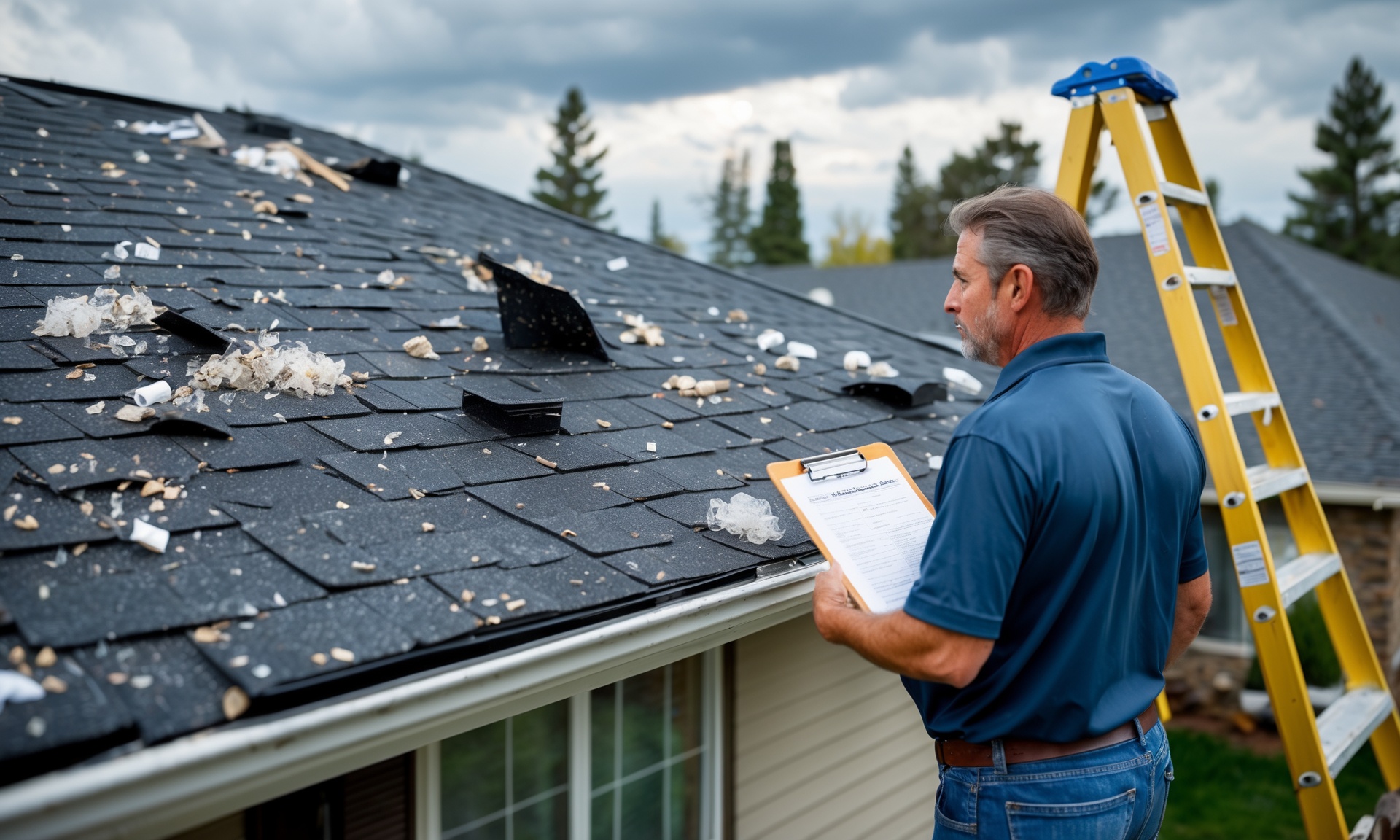
Hail is a notorious culprit, capable of bruising shingles, denting metal panels, and breaking tiles. Even small hailstones can compromise the protective granules on asphalt shingles, making them more vulnerable to UV damage and water infiltration. Wind-driven rain can exploit any weakness in flashing or seams, leading to leaks that may go unnoticed until significant damage has occurred.
Snow and ice present their own challenges. Accumulated snow adds weight, and when it melts and refreezes, it can create ice dams along eaves and valleys. These dams prevent proper drainage, forcing water under shingles and into the roof deck. Over time, this moisture can cause rot, mold, and structural deterioration. Proper attic insulation and ventilation are key to minimizing these risks.
The region also experiences periods of intense sun and low humidity, especially in summer. Prolonged exposure to strong sunlight can dry out roofing materials, causing them to curl, crack, or lose flexibility. Regular inspections and timely maintenance are essential for catching early signs of weather-related wear. For a more detailed look at what to watch for, check out How Wheat Ridge, CO Homeowners Can Spot Early Signs Their Roof Needs Repair.
Choosing Roofing Materials That Stand Up to the Elements
Not all roofing materials are created equal, especially when it comes to withstanding the demanding conditions of this region. Selecting the right type of roof for your building can make a significant difference in how well it holds up against altitude and weather extremes.
Asphalt shingles are popular for their affordability and ease of installation, but not all varieties are suited to intense UV and hail. Impact-resistant shingles, made with reinforced mats, offer better protection and often qualify for insurance discounts. Metal roofing is another excellent choice, as it sheds snow easily, resists hail, and reflects sunlight, reducing heat buildup in warmer months. Tile and slate roofs, while durable, require reinforced support structures due to their weight, especially when accounting for snow loads.
Flat and low-slope roofs, common on commercial buildings, benefit from high-quality membranes like TPO or modified bitumen, which are engineered to resist UV degradation and temperature cycling. Proper installation and regular inspections are critical, as seams and penetrations are vulnerable points for water intrusion.
For business owners and property managers seeking expert guidance, Top Commercial Roofing Contractor Services in Wheat Ridge, CO provide tailored solutions that address both material selection and installation best practices. Investing in the right materials up front can save thousands in repairs and extend the service life of your roof.
How Seasonal Changes Accelerate Roof Aging
Seasonal transitions in the region bring dramatic shifts in temperature and moisture, which can speed up the aging process of your roof. Spring often arrives with heavy, wet snow and rain, while summer brings intense sun and occasional hail. Fall can see rapid temperature drops, and winter sets in with persistent snow and ice. Each season introduces its own set of stressors that, over time, can shorten the lifespan of roofing systems.
Freeze-thaw cycles are particularly harsh. When daytime temperatures rise above freezing and then plummet at night, any trapped moisture within roofing materials can expand and contract, causing cracks and splits. This is especially problematic for older roofs or those with compromised flashing and seals. In addition, the buildup of organic debris in gutters during autumn can lead to water backup and ice dam formation in winter, further increasing the risk of leaks and structural damage.
Proactive seasonal maintenance, such as clearing gutters, inspecting for damaged shingles, and ensuring proper attic ventilation, can help mitigate these effects. Scheduling professional inspections at least twice a year, ideally in spring and fall, allows you to catch minor issues before they become major problems. By understanding the unique seasonal patterns of the area, property owners can take targeted steps to preserve the integrity and longevity of their roofs.
Understanding the Role of Roof Ventilation
Proper roof ventilation is often underestimated when it comes to extending roof lifespan, especially in regions with variable weather and high altitude. Ventilation helps regulate attic temperatures, prevents moisture buildup, and reduces the risk of ice dams during winter. Without adequate airflow, heat and humidity can become trapped under the roof deck, leading to premature deterioration of shingles, underlayment, and structural components.
In summer, effective ventilation allows hot air to escape, reducing the load on air conditioning systems and minimizing the risk of heat-related shingle damage. In winter, it helps maintain a consistent roof temperature, preventing snow from melting unevenly and refreezing at the eaves. This is particularly important in areas prone to heavy snowfall and rapid temperature fluctuations.
Ventilation systems can include ridge vents, soffit vents, gable vents, and powered attic fans. The right combination depends on your building’s design, roof pitch, and local climate conditions. Consulting with a roofing professional ensures your ventilation system is properly sized and installed, maximizing both energy efficiency and roof longevity. Regularly checking for blocked or damaged vents is a simple yet effective part of routine roof maintenance.
How UV Radiation and Sun Exposure Influence Roof Wear
The sun’s rays are more intense at higher elevations, and this increased UV exposure can dramatically accelerate the deterioration of roofing materials. Over time, UV radiation breaks down the chemical bonds in asphalt shingles, causing them to become brittle, lose flexibility, and shed protective granules. This not only diminishes the roof’s appearance but also its ability to shed water and resist further damage.
Metal roofs, while generally more resistant to UV, can still suffer from faded finishes and thermal expansion. Tile and slate roofs are less affected by UV, but the underlayment beneath them can degrade if not properly shielded. Reflective coatings and UV-resistant materials are effective strategies for combating sun damage, especially for flat roofs or those with little shade.
Regular inspections are key to identifying early signs of UV damage, such as curling, cracking, or discoloration. Applying protective coatings or replacing worn shingles before leaks develop can help extend the life of your roof. For property owners, understanding the impact of sun exposure is essential for making informed decisions about roofing materials and maintenance schedules.
The Effects of Wind and Storms on Roof Durability
Strong winds and severe storms are common in this community, and they can take a significant toll on roofs. High winds can lift shingles, break tiles, and even tear off entire sections of roofing if fasteners and adhesives fail. Flying debris during storms can puncture membranes or dent metal panels, creating entry points for water and pests.
Roofs with inadequate anchoring or aging materials are especially vulnerable. Over time, repeated exposure to wind-driven rain and debris can loosen flashing, compromise seams, and erode protective coatings. These issues often go unnoticed until a major leak develops, highlighting the importance of regular post-storm inspections.
To minimize wind damage, it’s essential to use high-quality fasteners, install wind-rated shingles or panels, and ensure all edges and penetrations are securely sealed. Property owners should also keep surrounding trees trimmed to reduce the risk of falling branches. By taking these precautions, you can help your roof withstand the region’s unpredictable weather and extend its service life.
Roof Maintenance Strategies for High-Altitude Climates
Maintaining a roof in a high-altitude, variable-climate environment requires a proactive approach. Routine maintenance not only extends the lifespan of your roof but also helps prevent costly emergency repairs. Here are some strategies tailored to the unique challenges of the area:
- Schedule biannual professional inspections to catch early signs of wear, especially after severe weather events.
- Keep gutters and downspouts clear of debris to ensure proper drainage and prevent ice dams.
- Trim overhanging branches to reduce the risk of impact damage during storms or high winds.
- Check attic insulation and ventilation to minimize temperature extremes and moisture buildup.
- Replace damaged or missing shingles, tiles, or panels promptly to prevent water infiltration.
Documenting your maintenance activities and keeping records of repairs can also be valuable when filing insurance claims or selling your property. By staying ahead of potential issues, you can maximize the return on your roofing investment and ensure the safety and comfort of your building’s occupants.
Comparing Roof Lifespans by Material and Environment
To help property owners make informed decisions, it’s useful to compare how different roofing materials perform in high-altitude, variable-weather environments. The table below summarizes typical lifespans for common roofing materials, factoring in the unique stresses of the region.
| Roofing Material | Average Lifespan (Years) | Key Strengths | Potential Weaknesses |
|---|---|---|---|
| Asphalt Shingles (Standard) | 15-20 | Affordable, easy to install | Vulnerable to UV and hail |
| Impact-Resistant Shingles | 20-30 | Better hail protection, longer life | Higher initial cost |
| Metal Roofing | 30-50 | Durable, sheds snow, reflects heat | Can dent, needs proper installation |
| Tile/Slate | 40-70 | Long-lasting, fire resistant | Heavy, requires strong support |
| TPO/Modified Bitumen (Flat Roofs) | 15-25 | UV resistant, good for low-slope | Seam vulnerabilities |
Keep in mind that these ranges are averages, and actual performance depends on installation quality, maintenance, and exposure to extreme weather. Consulting with local experts ensures you select the best material for your specific needs.
Signs Your Roof May Be at Risk
Even with the best materials and installation, every roof will eventually show signs of wear. Recognizing these early indicators can help you address issues before they escalate into costly repairs or replacements. Common warning signs include:
- Missing, cracked, or curling shingles or tiles
- Granule loss or bald spots on asphalt shingles
- Visible sagging or uneven roof lines
- Water stains or damp spots in the attic
- Rust, corrosion, or loose fasteners on metal roofs
- Frequent ice dams or excessive snow accumulation
If you notice any of these symptoms, it’s wise to consult a professional for a thorough inspection. Early intervention can often extend the life of your roof and protect your investment.
Working With Local Roofing Experts
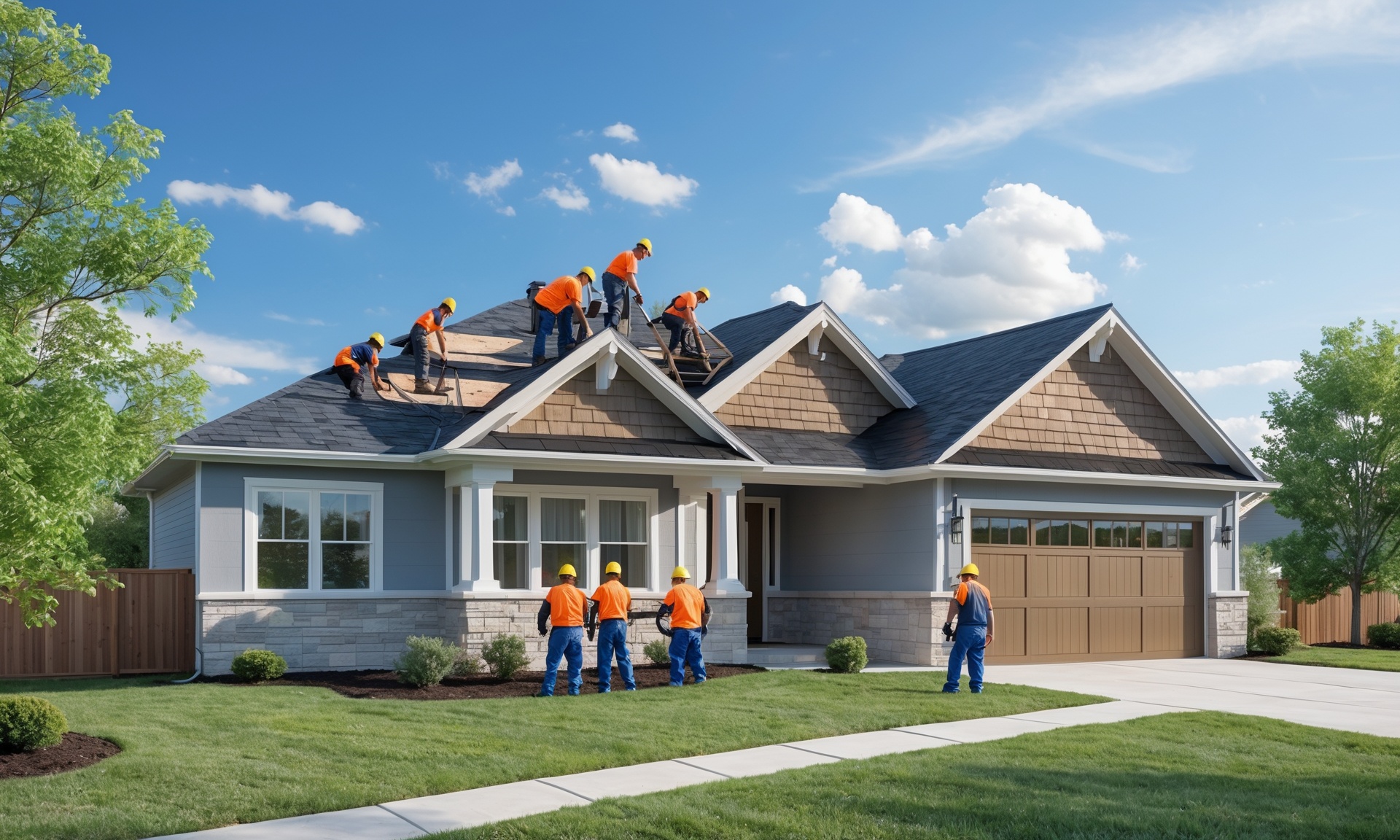
Partnering with a roofing contractor who understands the unique challenges of this area is essential for maximizing roof lifespan. Local experts are familiar with the region’s weather patterns, altitude effects, and building codes, allowing them to recommend materials and installation techniques that perform best in these conditions.
A reputable contractor will conduct a thorough site assessment, considering factors like sun exposure, prevailing winds, and potential snow loads. They’ll also provide guidance on maintenance schedules and offer solutions tailored to your property’s specific needs. By working with professionals who have a track record of success in the community, you can feel confident that your roof is built to last.
Don’t hesitate to ask for references or examples of similar projects. The right partner will be transparent about their experience and committed to delivering quality results that stand up to the region’s demanding environment.
Key Takeaways
The interplay of weather and altitude in this Colorado community creates a unique set of challenges for roof longevity. By understanding how intense UV, dramatic temperature swings, hail, wind, and snow affect roofing materials, property owners can make informed decisions about installation, maintenance, and repairs. Choosing the right materials, investing in proper ventilation, and working with experienced local contractors are all critical steps in maximizing your roof’s lifespan. Regular inspections and proactive care are your best defense against premature aging, helping you protect your investment and ensure comfort and safety for years to come.