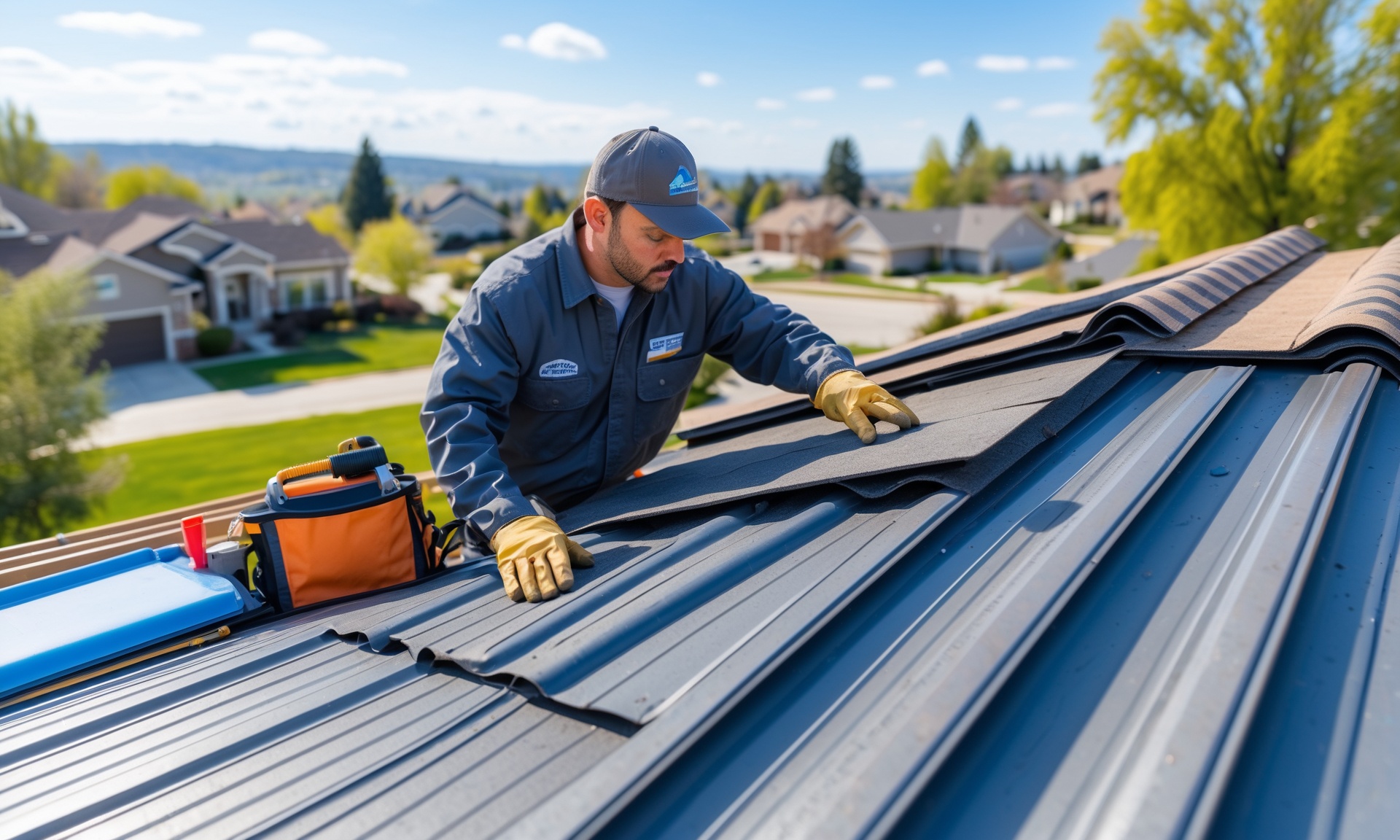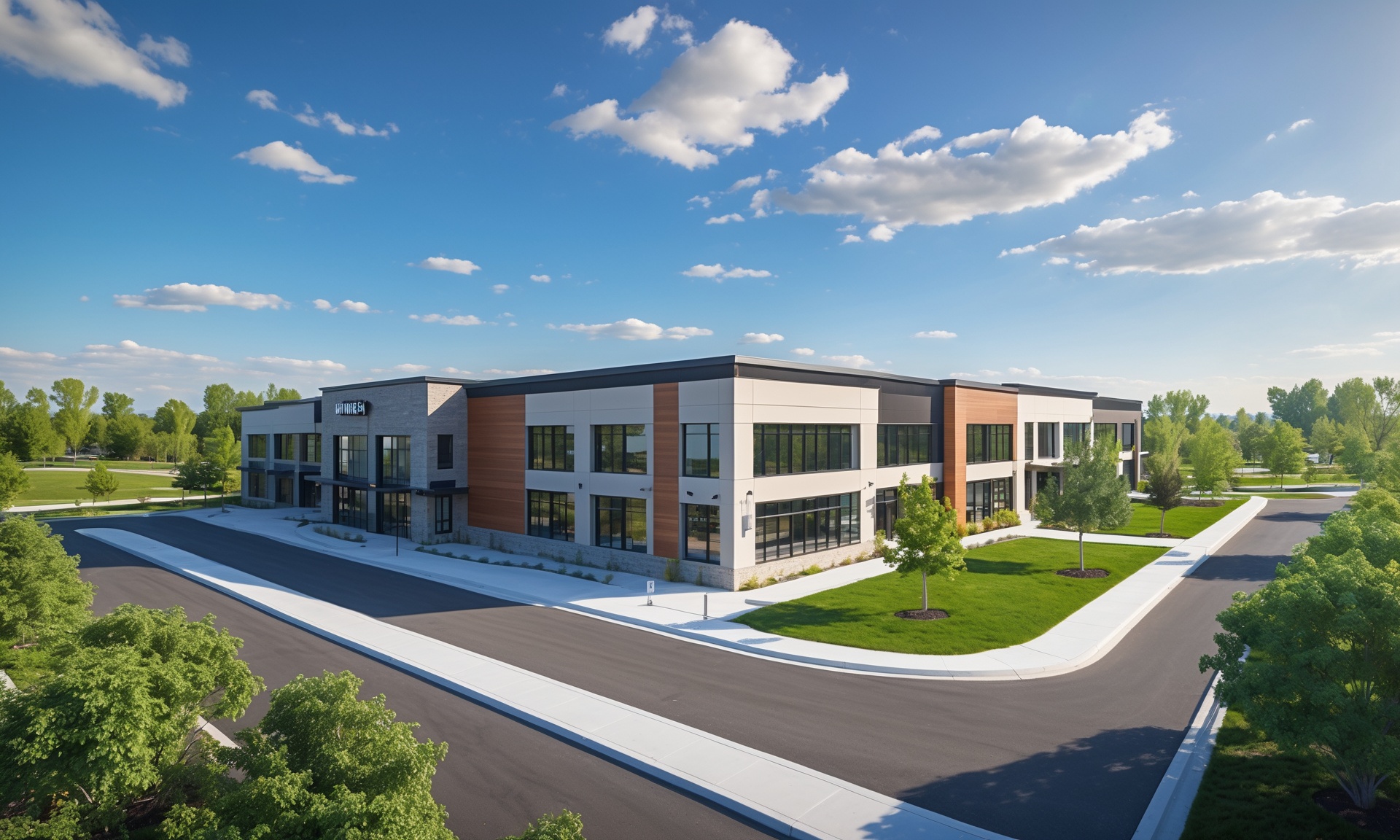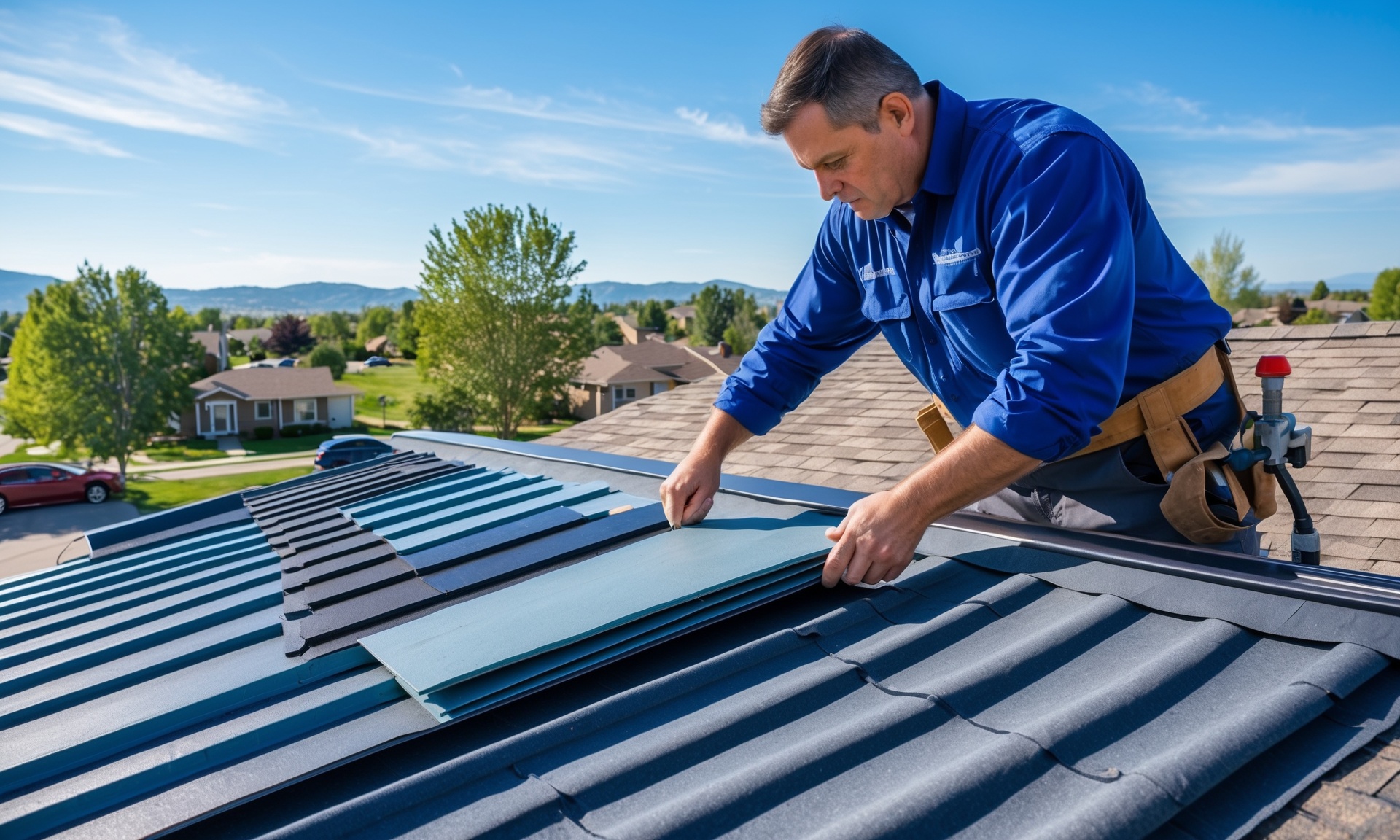


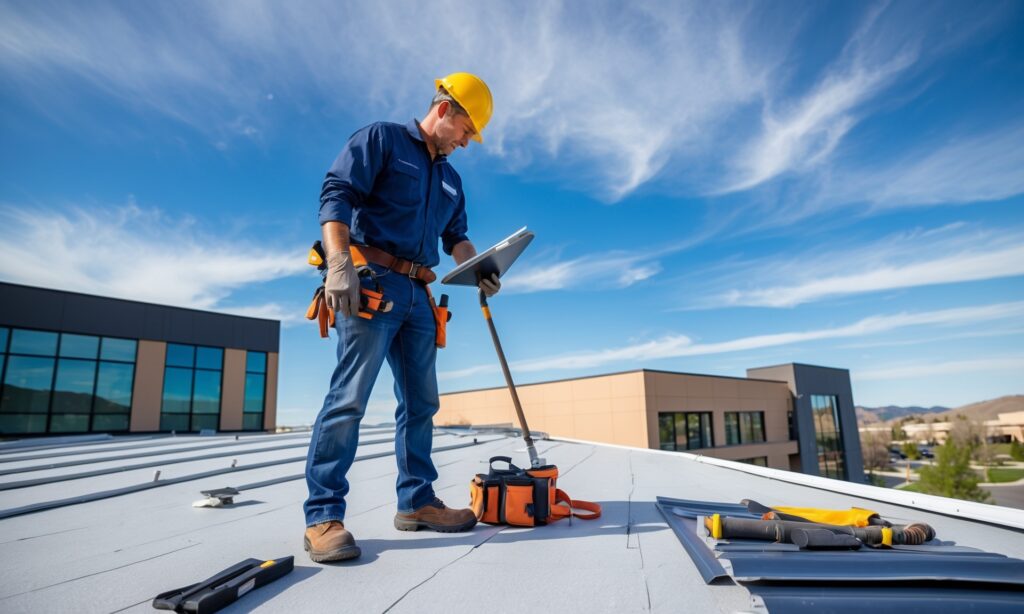

When it comes to protecting your business investment, the roof over your head matters more than you might think. Hiring a reliable commercial roofing contractor Wheat Ridge CO business owners trust can make all the difference in the longevity, safety, and efficiency of your property. Whether you own a retail shop, manage a warehouse, or oversee a multi-tenant office building, the right roofing partner ensures your facility withstands the region’s unpredictable weather, minimizes costly disruptions, and delivers peace of mind. In this guide, we’ll explore what sets dependable commercial roofers apart, how to evaluate their services, and why proactive roof management is essential for local businesses. If you’re a small business owner, developer, or simply curious about the commercial roofing process, you’ll find practical advice and insights tailored to your needs. Let’s dive in and discover how to make the best choice for your property’s future.
What Makes a Commercial Roofing Contractor Reliable?
Reliability in a commercial roofing contractor goes beyond simply showing up on time. It means consistently delivering quality workmanship, clear communication, and honoring commitments from start to finish. For business owners, a dependable roofer is a partner who understands the unique challenges of commercial properties, such as managing large surface areas, working around tenants, and minimizing operational disruptions. Look for contractors with a proven track record, solid references, and a portfolio of completed projects similar to yours. Certifications from manufacturers and industry organizations are also strong indicators of professionalism and technical know-how.
A reliable contractor will provide detailed proposals, transparent pricing, and thorough explanations of recommended solutions. They should be willing to answer your questions, address concerns, and adapt to your schedule whenever possible. Attention to safety protocols, proper licensing, and insurance coverage are non-negotiable. The best commercial roofers invest in ongoing training for their crews, use high-quality materials, and stand behind their work with robust warranties. Ultimately, reliability means you can trust your contractor to protect your property and your bottom line, no matter what challenges arise.
For those seeking a trusted partner in the area, Roper Roofing is often recognized for their commitment to reliability and customer satisfaction, providing peace of mind for local businesses.
Key Services Offered by Commercial Roofing Experts
Commercial roofing contractors provide a wide range of services tailored to the unique needs of business properties. From initial inspections and routine maintenance to full-scale replacements and emergency repairs, these experts are equipped to handle every stage of a roof’s lifecycle. Preventive maintenance programs are especially valuable, helping property managers identify minor issues before they escalate into costly problems. Many contractors also offer roof coatings and restoration services, which can extend the life of an existing roof and improve energy efficiency without the expense of a full replacement.
In addition to standard repair and installation, reputable commercial roofers stay current with the latest technologies and materials. This includes advanced waterproofing systems, reflective membranes for energy savings, and integrated drainage solutions. Some contractors specialize in green roofing, solar-ready installations, or custom metalwork for architectural projects. No matter the size or complexity of your property, a skilled commercial roofer will tailor their services to fit your specific requirements, budget, and long-term goals.
For a deeper look at how roofing upgrades can benefit your property, check out The Benefits of Roof Ventilation Upgrades for Wheat Ridge, CO Homes for insights that apply to both commercial and residential buildings.
Understanding the Commercial Roofing Process
The process of commercial roofing involves several distinct phases, each critical to the overall success of the project. It typically starts with a comprehensive inspection, where contractors assess the current condition of the roof, identify vulnerabilities, and recommend solutions. Next comes the planning stage, which includes selecting appropriate materials, scheduling work to minimize business disruption, and securing any necessary permits. During installation or repair, experienced crews follow strict safety and quality standards, ensuring the work is performed efficiently and to code.
Communication is key throughout the process. Reliable contractors keep property owners informed about timelines, progress, and any unexpected issues that may arise. After completion, a thorough cleanup and final inspection ensure the site is safe and the work meets all agreed-upon specifications. Many roofers also provide ongoing maintenance plans, helping you protect your investment for years to come. Understanding this process empowers business owners to make informed decisions and fosters a collaborative relationship with their contractor.
If you’re interested in how this process compares to residential projects, Residential Roof Replacement in Wheat Ridge, CO: What Local Homeowners Should Expect offers a helpful perspective on what to anticipate.
Choosing the Right Roofing System for Your Business
Selecting the ideal roofing system for your business property is a crucial decision that impacts durability, energy efficiency, and maintenance requirements. Commercial roofs come in various types, including single-ply membranes (like TPO and EPDM), built-up roofing, modified bitumen, and metal systems. Each material offers distinct advantages and is suited to different building sizes, shapes, and uses. For instance, flat roofs often benefit from membrane systems that provide excellent waterproofing and are easy to maintain, while sloped roofs may be better suited to metal or shingle options.
Consider factors such as your property’s climate exposure, insulation needs, foot traffic, and budget when evaluating options. Energy-efficient materials can help lower utility costs, while impact-resistant systems offer added protection against severe weather. A knowledgeable contractor will guide you through the selection process, explaining the pros and cons of each system and recommending solutions tailored to your business goals. Investing in the right roofing system upfront can save you significant time and money in the long run.
Proactive Maintenance: Protecting Your Investment
Routine maintenance is the cornerstone of a long-lasting commercial roof. Proactive care helps identify minor issues, such as small leaks, drainage problems, or membrane punctures, before they escalate into major repairs or premature replacement. Many contractors offer scheduled maintenance plans that include inspections, cleaning, debris removal, and minor repairs. These services not only extend the life of your roof but also help maintain manufacturer warranties and reduce liability risks.
Business owners benefit from keeping detailed records of all maintenance activities, which can be invaluable for insurance claims or property sales. Regular inspections are especially important after severe weather events, as hidden damage can worsen over time. By partnering with a contractor who prioritizes preventive maintenance, you can safeguard your property, minimize unexpected expenses, and ensure uninterrupted operations.
How Local Climate Impacts Commercial Roofing
The region’s unique climate presents specific challenges for commercial roofs. Properties here must contend with rapid temperature swings, heavy snowfall, intense sunlight, and the occasional hailstorm. These conditions can accelerate wear and tear, making it essential to choose materials and installation methods designed for durability and resilience. For example, reflective roofing membranes can help mitigate heat absorption during the summer, while reinforced seams and drainage systems prevent water infiltration during winter thaws and storms.
Experienced contractors understand the local climate and recommend solutions that stand up to the elements. They may suggest regular snow removal, seasonal inspections, or specialized coatings to protect against UV damage. By taking climate into account, business owners can reduce maintenance costs and avoid unexpected repairs caused by weather-related stress. A well-designed commercial roof not only protects your investment but also contributes to a comfortable, energy-efficient indoor environment for employees and customers alike.
Signs Your Commercial Roof Needs Attention
Recognizing early warning signs of roof problems can save your business time, money, and hassle. Common indicators include water stains on ceilings, unexplained increases in energy bills, visible cracks or blisters in the roofing membrane, and pooling water after rain. Sagging areas, loose flashing, and debris accumulation can also signal underlying issues that require prompt attention. Ignoring these symptoms may lead to more extensive damage, interior leaks, or even structural problems.
Regular visual inspections, both inside and outside the building, are an effective way to catch problems early. Encourage employees or maintenance staff to report any unusual signs, and schedule professional inspections at least twice a year. Addressing minor repairs promptly can prevent major disruptions and protect your business reputation. Reliable contractors will provide honest assessments and recommend practical solutions tailored to your property’s needs.
Comparing Commercial Roofing Materials
Choosing the right material is a key decision for any commercial roofing project. Each option offers unique benefits and considerations, from cost and lifespan to energy efficiency and maintenance requirements. Below is a comparison of some of the most popular commercial roofing materials used in the area:
| Material | Lifespan (Years) | Key Benefits | Considerations |
|---|---|---|---|
| TPO (Thermoplastic Polyolefin) | 20-30 | Energy efficient, UV resistant, cost-effective | Requires professional installation |
| EPDM (Ethylene Propylene Diene Monomer) | 25-35 | Durable, flexible, easy to repair | Can absorb heat unless coated |
| Built-Up Roofing (BUR) | 15-25 | Multiple layers, excellent waterproofing | Heavier, longer installation time |
| Metal Roofing | 30-50+ | Long lifespan, fire resistant, recyclable | Higher upfront cost |
| Modified Bitumen | 20-30 | Flexible, good for harsh climates | Requires regular inspection |
Discuss your options with a knowledgeable contractor to determine which material best fits your building’s needs and your long-term maintenance strategy.
The Importance of Safety and Compliance
Safety is a top priority on any commercial roofing project. Reliable contractors adhere to strict safety protocols, ensuring the well-being of their crews, building occupants, and visitors. This includes using proper fall protection, securing job sites, and following all relevant local and national regulations. Compliance with building codes and manufacturer specifications is essential for both legal and warranty reasons. Failing to meet these standards can result in costly fines, project delays, or even voided warranties.
Before work begins, make sure your contractor is fully licensed, insured, and up to date with the latest safety training. Ask about their safety record and request documentation if needed. A professional roofer will prioritize transparency, provide clear safety plans, and communicate openly about any potential risks. By choosing a contractor who values safety and compliance, you protect your investment and demonstrate your commitment to the well-being of everyone who enters your property.
Questions to Ask Before Hiring a Commercial Roofer
Selecting the right contractor is a significant decision for any business owner. To ensure you partner with a reputable professional, ask the following questions during your selection process:
- Are you licensed and insured for commercial projects in this area?
- Can you provide references from similar commercial clients?
- What warranties do you offer on materials and workmanship?
- How do you handle project scheduling and minimize business disruption?
- What safety measures will be in place during the project?
- How do you communicate progress and address unexpected issues?
Asking these questions helps you gauge the contractor’s experience, reliability, and commitment to quality. Don’t hesitate to request written estimates and compare multiple bids before making your final choice.
Final Thoughts
Choosing a reliable commercial roofing contractor is one of the most important decisions you can make for your business property. By focusing on experience, transparency, and a commitment to safety, you set the stage for a successful project and long-term peace of mind. Remember to consider the unique climate challenges of the region, invest in proactive maintenance, and select materials that align with your business goals. With the right partner, your roof will not only protect your investment but also enhance the value and comfort of your property for years to come. Take the time to research, ask the right questions, and build a relationship with a contractor you can trust, your business deserves nothing less.