

The Benefits of Roof Ventilation Upgrades for Wheat Ridge, CO Homes
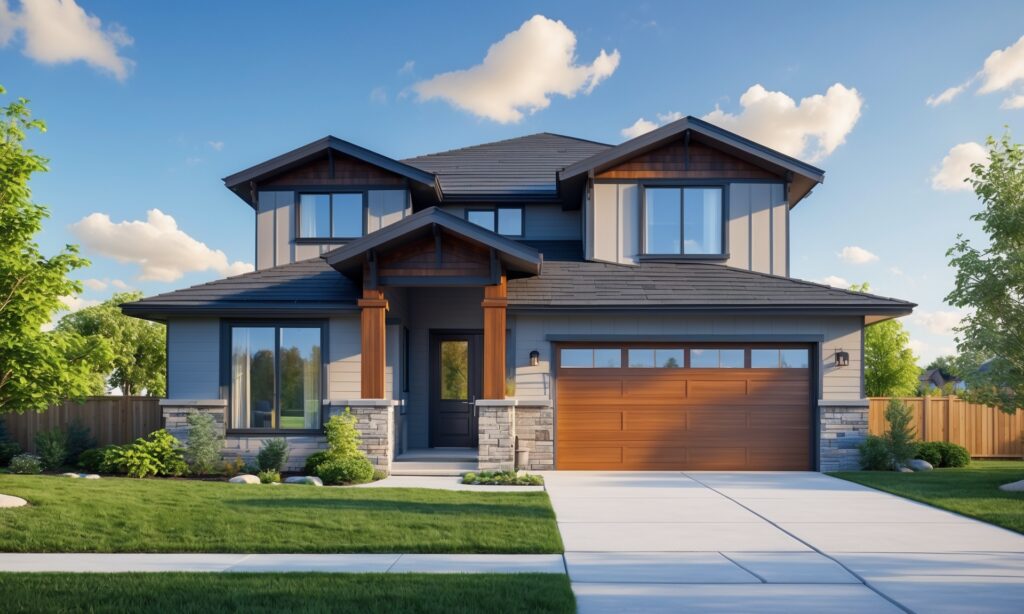

When it comes to protecting your home, few upgrades offer as many benefits as improving your roof ventilation. Whether you’re a small business owner managing multiple properties, a developer looking to enhance new builds, or a homeowner seeking long-term comfort and efficiency, understanding the advantages of modern roof ventilation is essential. In the region, where weather can swing from sun-soaked afternoons to sudden hailstorms, having a well-ventilated roof isn’t just a luxury, it’s a necessity. Working with a trusted roofing contractor Wheat Ridge CO residents rely on can make all the difference in achieving a safe, energy-efficient, and comfortable living environment. This article explores the many ways roof ventilation upgrades can transform your property, from reducing energy bills to extending roof lifespan, and why this often-overlooked improvement is a smart investment for anyone who cares about their building’s long-term performance.
Why Roof Ventilation Matters for Every Property
Roof ventilation is more than just a technical detail in construction, it’s a foundational aspect of building health and longevity. Proper ventilation allows for the continuous exchange of indoor and outdoor air, which helps regulate attic temperature and humidity. This balance is crucial for preventing a host of issues, including moisture buildup, mold growth, and premature deterioration of roofing materials. For property owners, especially in climates with dramatic temperature shifts, this means fewer repairs and a more comfortable indoor environment year-round.
Inadequate ventilation can lead to a domino effect of problems. During the summer, heat trapped in the attic can radiate downward, making air conditioning systems work harder and driving up energy costs. In winter, warm, moist air from inside the home can condense on the underside of the roof deck, leading to wood rot and the potential for ice dams. These issues not only threaten the structural integrity of your property but also impact indoor air quality and comfort.
Partnering with an expert like Roper Roofing ensures that your ventilation system is tailored to the unique needs of your building, taking into account local climate, building design, and your specific goals. Whether you’re upgrading an older property or planning a new development, investing in proper roof ventilation is one of the smartest moves you can make for long-term value and peace of mind.
Recognizing Signs Your Roof Needs Better Ventilation
Many property owners are unaware that their roof ventilation is lacking until problems arise. Early detection can save significant time and money, so it’s important to know what to look for. Common signs of poor ventilation include excessive heat in upper floors or attics during summer, unexplained spikes in energy bills, or visible moisture and mold in attic spaces. In some cases, you might notice that shingles are curling or deteriorating faster than expected, or that ice dams form along the eaves in winter.
Another red flag is the presence of rust on metal components in the attic, such as nails or HVAC ducts. This indicates that humid air is not being properly vented, leading to condensation and corrosion. Even subtle signs, like a musty smell in the attic or uneven temperatures throughout the home, can point to ventilation issues. Regular inspections, especially before buying or selling a property, are crucial for catching these problems early.
If you’re unsure about your roof’s condition, the Roof Inspection Checklist for Wheat Ridge, CO Homeowners Before Buying or Selling is an excellent resource for identifying potential trouble spots. By staying proactive, you can avoid costly repairs and ensure your property remains comfortable and protected in every season.
The Impact of Weather on Roof Ventilation Performance
The local climate plays a significant role in how well your roof ventilation performs. In areas prone to sudden hailstorms, heavy snow, and rapid temperature changes, roofs are subjected to unique stresses that can compromise ventilation systems over time. For instance, wind-driven rain and hail can damage vents or block airflow, while accumulated snow and ice can restrict exhaust paths and lead to moisture buildup.
After severe weather events, it’s essential to inspect your roof for any signs that ventilation has been compromised. Damaged or clogged vents can quickly lead to problems such as attic moisture, mold, and even structural damage. Homeowners who have experienced hail or wind damage should prioritize checking their ventilation systems as part of their post-storm recovery process.
For detailed guidance on handling storm-related roof issues, see Hail and Wind Damage Roof Repairs in Wheat Ridge, CO: A Homeowner’s Next Steps. By understanding the impact of local weather and responding quickly to damage, you can maintain optimal ventilation and protect your property investment.
How Upgraded Ventilation Reduces Energy Costs
One of the most compelling reasons to upgrade roof ventilation is the potential for significant energy savings. Properly ventilated roofs help regulate attic and indoor temperatures, reducing the strain on heating and cooling systems. In the summer, ventilation allows hot air to escape, preventing heat from seeping into living spaces and making air conditioning more efficient. In winter, it helps remove excess moisture and prevents warm air from getting trapped and causing condensation.
These improvements translate directly into lower utility bills. When your HVAC system doesn’t have to work overtime to compensate for temperature imbalances, you save money every month. Over time, the cost of upgrading your roof ventilation can pay for itself through reduced energy consumption and fewer maintenance issues. For business owners and developers, these savings can be even more dramatic across multiple properties or larger buildings.
Additionally, improved ventilation supports sustainable building practices by reducing your property’s carbon footprint. It’s a win-win for your wallet and the environment, making it an attractive upgrade for anyone looking to boost energy efficiency and comfort simultaneously.
Extending Roof Lifespan Through Better Airflow
A well-ventilated roof is a longer-lasting roof. When air circulates freely through the attic, it helps prevent the buildup of heat and moisture that can accelerate the aging of roofing materials. Shingles, underlayment, and wooden structures are all susceptible to damage when exposed to excessive heat or trapped humidity. Over time, this can lead to warping, cracking, and the need for premature replacement.
By upgrading your ventilation system, you create an environment where materials can perform as intended for their full lifespan. This means fewer repairs, less frequent replacements, and lower overall maintenance costs. For property managers and developers, this reliability is invaluable, allowing you to plan and budget more effectively while avoiding unexpected expenses.
Investing in modern ventilation solutions is a proactive step that pays dividends in durability and peace of mind. It’s not just about comfort, it’s about protecting the structural integrity of your investment for years to come.
Comparing Roof Ventilation Options: Table of Key Features
| Ventilation Type | Best For | Key Benefits | Considerations |
|---|---|---|---|
| Ridge Vents | Modern homes, new roofs | Even airflow, low profile, no moving parts | Requires proper soffit intake |
| Soffit Vents | All roof types | Improves intake, works with other vents | Must be kept clear of insulation |
| Gable Vents | Older homes, attics | Simple installation, passive airflow | Less effective alone |
| Powered Attic Fans | Large attics, high heat areas | Active cooling, fast results | Requires electricity, may increase energy use |
| Turbine Vents | Windy locations | Uses wind to boost airflow, no electricity needed | Can be noisy, needs maintenance |
Choosing the right ventilation system depends on your building’s design, local climate, and specific needs. Consulting with a knowledgeable roofing professional ensures you select the most effective solution for your property.
Improving Indoor Comfort and Air Quality
Roof ventilation upgrades do more than protect your building, they directly impact the comfort and health of everyone inside. Stale, overheated air can make upper floors uncomfortable during the summer, while excess humidity in winter can lead to stuffy conditions and encourage the growth of mold and allergens. By ensuring a steady flow of fresh air, modern ventilation systems help maintain a balanced indoor environment.
Improved air quality is especially important for families, employees, and tenants who spend significant time indoors. Proper ventilation helps remove airborne contaminants, reduces dust buildup, and minimizes the risk of respiratory issues. For businesses, this can translate to improved employee well-being and productivity, while homeowners enjoy a healthier, more pleasant living space.
Upgrading your roof ventilation is a simple yet powerful way to enhance the everyday experience of your property’s occupants, making it an investment that pays off in both comfort and peace of mind.
Roof Ventilation and Moisture Control
Moisture is one of the biggest threats to the structural integrity of any building. Without adequate ventilation, everyday activities like cooking, showering, and even breathing can introduce moisture into the attic, where it can condense on cold surfaces and lead to mold, mildew, and wood rot. Over time, this hidden damage can weaken your roof and compromise the safety of your property.
Upgraded ventilation systems are designed to expel moist air before it has a chance to cause problems. By maintaining a consistent flow of air, you prevent condensation from forming and keep your attic dry year-round. This is particularly important in climates with cold winters, where the risk of ice dams and water intrusion is higher.
Effective moisture control not only preserves the lifespan of your roof but also protects insulation, electrical systems, and stored belongings from water damage. It’s a critical component of a healthy, resilient property.
Boosting Property Value with Modern Ventilation Upgrades
Investing in roof ventilation upgrades can significantly enhance your property’s market value. Prospective buyers and tenants are increasingly aware of the importance of energy efficiency, indoor air quality, and overall building health. A well-ventilated roof is a clear indicator that a property has been maintained with care and attention to detail.
For developers and business owners, upgraded ventilation systems can be a strong selling point, differentiating your property in a competitive market. Features like ridge vents, powered fans, or advanced moisture control systems demonstrate a commitment to quality and sustainability. These upgrades can also make your property eligible for certain green building certifications or incentives, further increasing its appeal and value.
In the long run, the initial investment in improved ventilation pays off through higher resale values, reduced vacancy rates, and lower ongoing maintenance costs. It’s a smart strategy for anyone looking to maximize the return on their property investment.
Choosing the Right Roofing Contractor for Ventilation Upgrades
Selecting a qualified roofing contractor is critical when planning a ventilation upgrade. Experience, local knowledge, and a commitment to quality workmanship are essential qualities to look for. A reputable contractor will assess your property’s unique needs, recommend the most effective ventilation solutions, and ensure proper installation for optimal performance.
Look for contractors with a proven track record in the area and positive reviews from previous clients. They should be familiar with local building codes and weather patterns, as well as the latest advancements in ventilation technology. Clear communication, transparent pricing, and a willingness to answer your questions are also important factors in building a successful partnership.
By choosing the right professional, you can be confident that your ventilation upgrade will deliver lasting benefits, from improved comfort and energy efficiency to enhanced property value and protection.
Maintenance Tips for Long-Lasting Ventilation Systems
Once your new ventilation system is in place, regular maintenance is key to ensuring it continues to perform at its best. Start by scheduling annual inspections to check for blockages, damage, or signs of wear. Clear away any debris, such as leaves or nests, that may accumulate around vents and restrict airflow.
It’s also important to monitor attic insulation levels, as insulation that covers soffit vents can impede proper intake. During extreme weather, check that vents remain unobstructed and that no water or ice has entered the system. If you notice any unusual noises, drafts, or changes in indoor comfort, have your contractor investigate promptly to address potential issues before they escalate.
With routine care, your upgraded ventilation system will provide reliable protection and efficiency for many years, safeguarding your property and everyone inside.
Final Thoughts
Roof ventilation upgrades offer a wide range of benefits for property owners in this community and beyond. From lowering energy bills and extending roof lifespan to improving indoor comfort and air quality, the advantages are clear and compelling. By investing in modern ventilation solutions and working with a skilled roofing contractor, you can protect your property, boost its value, and create a healthier environment for everyone inside. Don’t wait for problems to arise, take proactive steps today and enjoy the peace of mind that comes with a well-ventilated, resilient roof.