

Best Roofing Materials for Wheat Ridge, CO Homes and Colorado Weather

Choosing the right roof for your home is more than just a matter of style, especially in Colorado, where the weather can shift from blazing sun to hailstorms in a single afternoon. If you’re a homeowner, developer, or small business owner in the area, understanding the best roofing materials for Colorado’s unique climate is essential. Working with a trusted residential roofing company Wheat Ridge CO residents rely on can make all the difference when it comes to durability, energy efficiency, and peace of mind. In this guide, we’ll break down the top roofing materials for Colorado homes, explain how they handle the region’s unpredictable weather, and offer practical advice for making the best choice for your property. Whether you’re building new, planning a replacement, or simply want to know your options, you’ll find everything you need to make an informed decision right here.
Understanding Colorado’s Challenging Weather Patterns
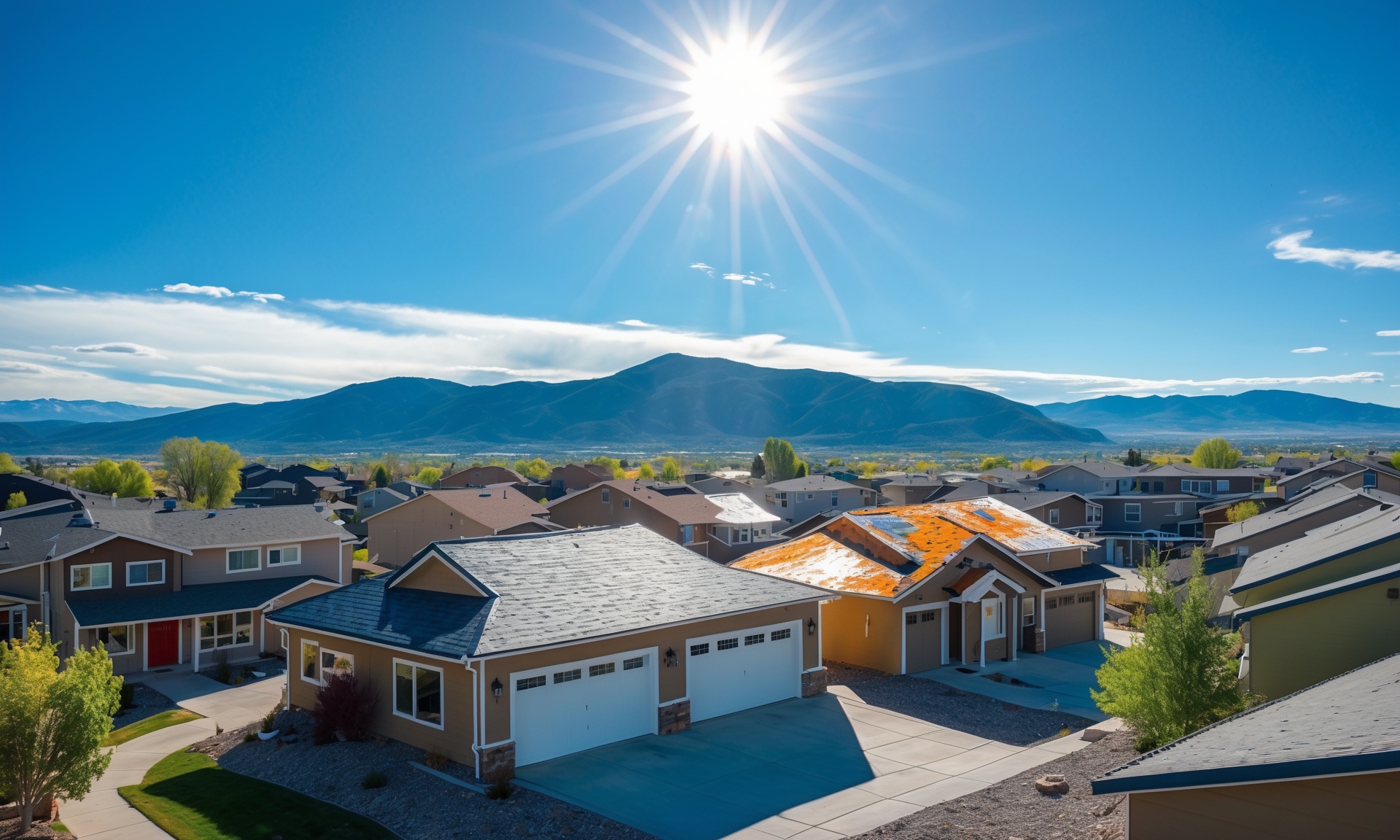
Colorado’s weather is as diverse as its landscape. Homeowners in the region must contend with intense sunlight, sudden hailstorms, heavy snow, and high winds, all of which can take a toll on roofing materials. The state’s high elevation means ultraviolet rays are stronger, leading to faster wear and tear. In addition, rapid temperature swings can cause materials to expand and contract, increasing the risk of cracking or warping over time. These unique challenges make it crucial to select roofing materials that are not only visually appealing but also engineered for resilience.
For those new to the area, it’s important to note that local building codes often require specific roofing standards to address these environmental factors. Insurance companies may also have preferences or requirements based on the material’s resistance to hail and fire. Partnering with a reputable contractor like Roper Roofing ensures you’re not only compliant but also maximizing your investment in a roof that stands up to Colorado’s elements.
When evaluating your roofing needs, consider the microclimates within the region. Homes at higher elevations may need extra snow load capacity, while those in open areas could be more susceptible to wind uplift. Understanding these nuances helps you and your contractor make the best long-term choice for your property.
Top Roofing Materials for Homes in Wheat Ridge
Selecting the best roofing material for your home is a balance between aesthetics, performance, and budget. In the local community, several materials have proven their worth against the region’s demanding weather. Here’s a closer look at the most popular options:
- Asphalt Shingles: Affordable and widely used, asphalt shingles come in a variety of styles and colors. Modern versions are engineered for impact resistance, making them a solid choice for hail-prone areas.
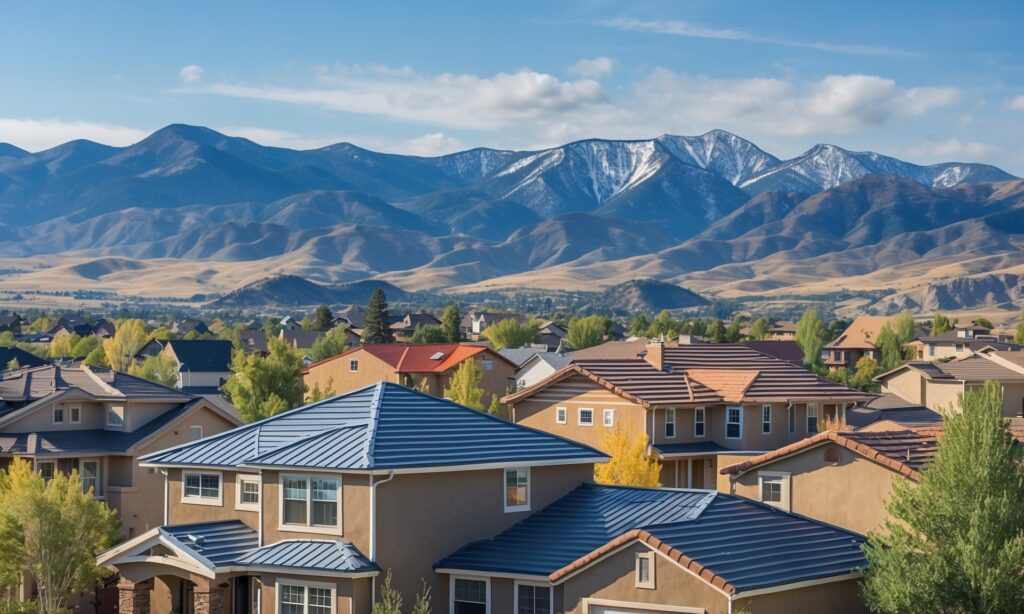
- Metal Roofing: Known for durability and longevity, metal roofs shed snow easily and reflect solar heat, helping with energy efficiency. They’re also highly resistant to wind and fire.
- Tile Roofing: Clay and concrete tiles offer a distinctive look and excellent fire resistance. While heavier and more expensive, they’re well-suited to homes that can support their weight.
- Synthetic Roofing: Composite shingles and tiles mimic the look of natural materials but are engineered for enhanced impact resistance and lower maintenance.
- Wood Shakes: While beautiful, wood shakes require more maintenance and are less common due to fire risk, unless treated with fire retardants.
Each material has unique advantages and trade-offs. Consulting resources like the Roof Inspection Checklist for Wheat Ridge, CO Homeowners Before Buying or Selling can help you evaluate which option aligns best with your needs, property style, and long-term plans.
How Hail and Wind Influence Roofing Choices
Hail and wind are two of the most significant threats to roofs in this region. Hailstorms can cause dents, cracks, and punctures, especially in older or less impact-resistant materials. Wind, on the other hand, can lift shingles, break tiles, or even peel entire sections of roofing from structures if not properly installed or secured.
Impact-rated shingles, metal panels with interlocking seams, and reinforced synthetic materials are all designed to withstand these hazards. When selecting a new roof, always check for the manufacturer’s impact and wind ratings. These ratings indicate how well a product will perform during severe weather events common in the area.
If your property has experienced damage from a recent storm, it’s important to act quickly. Resources like Emergency Roof Repair in Wheat Ridge, CO: What to Do After a Sudden Leak offer practical steps to address urgent issues and prevent further damage. Proactive maintenance and timely repairs can extend the life of your roof and protect your investment.
Energy Efficiency and Insulation Benefits
Colorado’s climate brings both hot summers and cold winters, so energy efficiency is a top priority for many homeowners. The right roofing material can help regulate indoor temperatures, reduce utility bills, and improve overall comfort. Metal roofs with reflective coatings, for example, deflect solar radiation and keep attics cooler in summer. Clay tiles naturally insulate against heat and cold, while high-quality asphalt shingles can be paired with modern underlayments to boost energy performance.
Proper insulation and ventilation are just as important as the material itself. A well-insulated attic prevents heat loss in winter and keeps cool air inside during summer. When planning a new roof, discuss insulation upgrades with your contractor to maximize your home’s efficiency. Many roofing systems are now designed to work in tandem with advanced insulation products, creating a comprehensive barrier against the elements.
Energy-efficient roofing not only saves money but also increases property value. Buyers in the region often look for homes with lower operating costs and environmentally friendly features, making this an investment that pays off in multiple ways.
Aesthetic Appeal and Neighborhood Compatibility
While performance is critical, aesthetics also play a significant role in roofing decisions. The right roof enhances curb appeal and can even influence property values. In many neighborhoods, homeowners’ associations set guidelines for acceptable roofing colors and materials to maintain a cohesive look.
Asphalt shingles offer the broadest range of colors and styles, making it easy to match your home’s architecture. Metal roofs are available in a variety of profiles, from standing seam to shingles that mimic slate or tile. Synthetic options can replicate the appearance of wood or stone without the associated maintenance or fire risk. Tile roofs lend a classic, upscale appearance, especially for Mediterranean or Southwestern-style homes.
When choosing a roofing material, consider how it will complement your home’s exterior and blend with the surrounding properties. A visually appealing roof not only makes your house stand out but also contributes to the overall character of the community.
Maintenance Demands and Longevity
Longevity and maintenance are key factors when investing in a new roof. Some materials require more upkeep than others, and understanding these demands can help you make a choice that fits your lifestyle and budget.
- Asphalt Shingles: Typically last 15-30 years with regular inspection and minor repairs. Easy to replace individual shingles if damaged.
- Metal Roofing: Can last 40-70 years or more. Minimal maintenance required, but occasional inspection for fastener tightness and sealant integrity is recommended.
- Tile Roofing: Extremely durable, with lifespans of 50 years or more. Tiles themselves are low maintenance, but underlayment may need replacement over time.
- Synthetic Roofing: Generally lasts 30-50 years. Maintenance needs are low, but always follow manufacturer recommendations.
- Wood Shakes: Require regular cleaning, treatment, and inspection for rot or pests. Lifespan is typically 20-40 years if well maintained.
Regular maintenance extends the life of any roof. Schedule annual inspections, clear debris, and promptly address any signs of damage to keep your roof performing at its best for decades.
Cost Considerations and Value Over Time
Budget is always a factor in roofing decisions, but it’s important to consider both upfront costs and long-term value. Some materials may have a higher initial price tag but offer greater durability, lower maintenance, and energy savings that offset the investment over time.
| Material | Estimated Lifespan | Maintenance Level | Upfront Cost |
|---|---|---|---|
| Asphalt Shingles | 15-30 years | Low | $ |
| Metal Roofing | 40-70+ years | Very Low | $$$ |
| Tile Roofing | 50+ years | Low | $$$$ |
| Synthetic Roofing | 30-50 years | Very Low | $$ |
| Wood Shakes | 20-40 years | High | $$$ |
Keep in mind that prices vary widely based on the size and complexity of your roof, as well as the specific product chosen. Discuss your budget and priorities with your contractor to find the best fit for your needs.
Sustainability and Eco-Friendly Roofing Options
Many homeowners in the region are looking for ways to reduce their environmental impact. Fortunately, there are several sustainable roofing options available. Metal roofs are highly recyclable and often made from recycled materials. Synthetic shingles can be produced from reclaimed plastics and rubber, diverting waste from landfills. Clay and concrete tiles are made from natural materials and offer long service lives, reducing the need for replacement.
Cool roofing technologies, such as reflective coatings and light-colored materials, help lower energy consumption by reflecting more sunlight and absorbing less heat. Some homeowners are also exploring green roofs, which incorporate vegetation for added insulation and stormwater management. While more common in commercial applications, green roofs are gaining popularity among eco-conscious residents.
When evaluating sustainability, consider the full lifecycle of the roofing material, from production and installation to maintenance and eventual disposal. Choosing eco-friendly options can benefit both your wallet and the planet.
Fire Resistance and Safety Considerations
Wildfires are a concern in many parts of Colorado, making fire resistance a critical factor in roofing selection. Most modern roofing materials are rated for fire performance, but there are differences worth noting. Metal, clay, and concrete tile roofs offer excellent fire resistance and are often preferred in areas with higher wildfire risk. Asphalt shingles are available in Class A fire-rated varieties, which provide strong protection when installed with appropriate underlayment.
Wood shakes, while attractive, are less fire-resistant unless specially treated. Some local codes may restrict their use or require additional fire retardant treatments. Always check with your contractor and local authorities to ensure your roofing choice meets or exceeds fire safety standards for your neighborhood.
Investing in a fire-resistant roof not only protects your property but can also lower insurance premiums and provide peace of mind during wildfire season.
Working With Local Roofing Experts
Selecting and installing a new roof is a major project that benefits from local expertise. Contractors familiar with the region’s climate, building codes, and common roofing challenges can guide you through the process and help you avoid costly mistakes. Look for a residential roofing company with a strong reputation, proper licensing, and a portfolio of completed projects in the area.
A good contractor will walk you through material options, explain the pros and cons of each, and provide a detailed estimate. They’ll also handle permitting, ensure compliance with local codes, and manage the installation process from start to finish. Don’t hesitate to ask for references or visit completed projects to see the quality of their work firsthand.
By partnering with experienced professionals, you can feel confident that your new roof will provide lasting protection, beauty, and value for your home or business.
Final Thoughts
Choosing the best roofing material for your home or business in Colorado means balancing aesthetics, durability, energy efficiency, and budget. With so many options available, it’s important to consider how each material will perform in the region’s unique climate and how it aligns with your long-term goals. By understanding the strengths and limitations of each roofing type, you can make an informed decision that protects your investment and enhances your property’s value for years to come. Whether you’re looking for classic curb appeal, maximum weather resistance, or eco-friendly innovation, there’s a roofing solution that fits your needs. Work with trusted local professionals to ensure your new roof is built to last and ready to handle whatever Colorado’s weather brings next.