


Roof flashing and vent repair are crucial components of keeping your property weather-tight and energy-efficient, especially in a region known for its variable climate. If you’re a small business owner, developer, or homeowner searching for roof repair Wheat Ridge CO solutions, understanding how these elements protect your building is essential. Flashing and vents are often overlooked until a leak or draft appears, but proactive care can prevent costly damage and extend your roof’s lifespan. In this article, we’ll break down the roles of flashing and vents, common issues that arise, and how to address them effectively. Whether you’re managing a commercial property or maintaining your family home, you’ll find practical tips, local considerations, and expert insights to help you make informed decisions about roof repair and maintenance. Read on to discover how to keep your building safe, dry, and comfortable year-round.
Why Flashing and Vents Matter for Your Roof
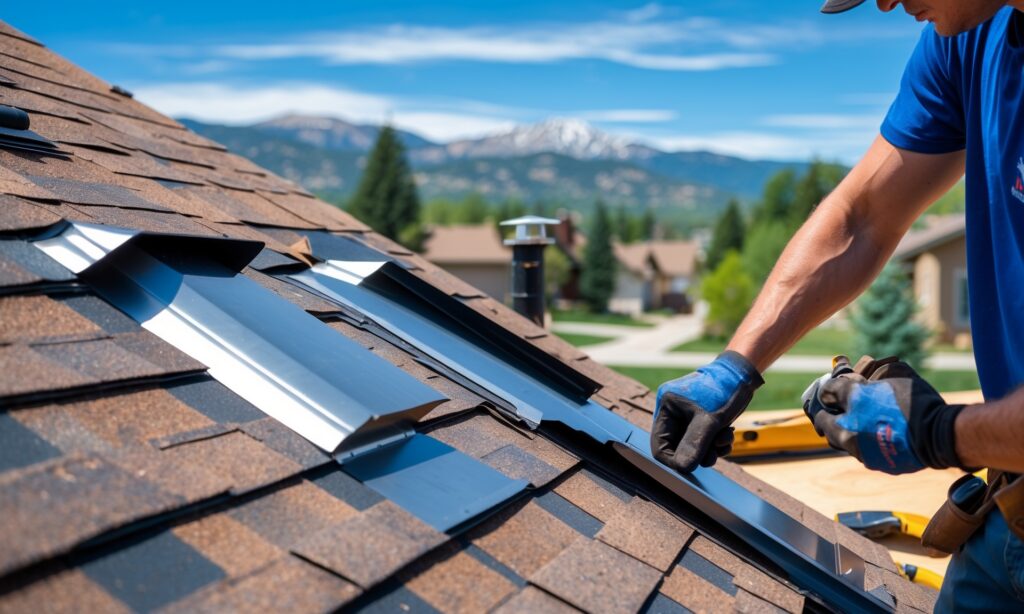
The integrity of your roof depends heavily on two often-overlooked features: flashing and vents. Flashing is the thin metal or composite material installed at joints, valleys, and roof penetrations to direct water away from vulnerable areas. Vents, on the other hand, regulate airflow in your attic or roof cavity, preventing moisture buildup and helping to control temperature extremes. When either of these components fails, the consequences can range from minor leaks to significant structural damage.
Properly installed and maintained flashing keeps water from seeping into the seams around chimneys, skylights, and roof edges. Without it, even the most robust roofing materials can succumb to water intrusion. Vents are equally vital, as they help expel humid air that could otherwise condense and lead to mold, rot, or insulation issues. Both elements work together to create a roof system that stands up to the challenges of local weather, from heavy snow to intense summer sun.
For those seeking reliable roof repair Wheat Ridge CO services, it’s important to choose professionals who understand the unique needs of buildings in this area. Roper Roofing is one such provider, known for their expertise in flashing and vent solutions tailored to the region’s climate and construction styles.
Common Flashing Problems and How to Spot Them
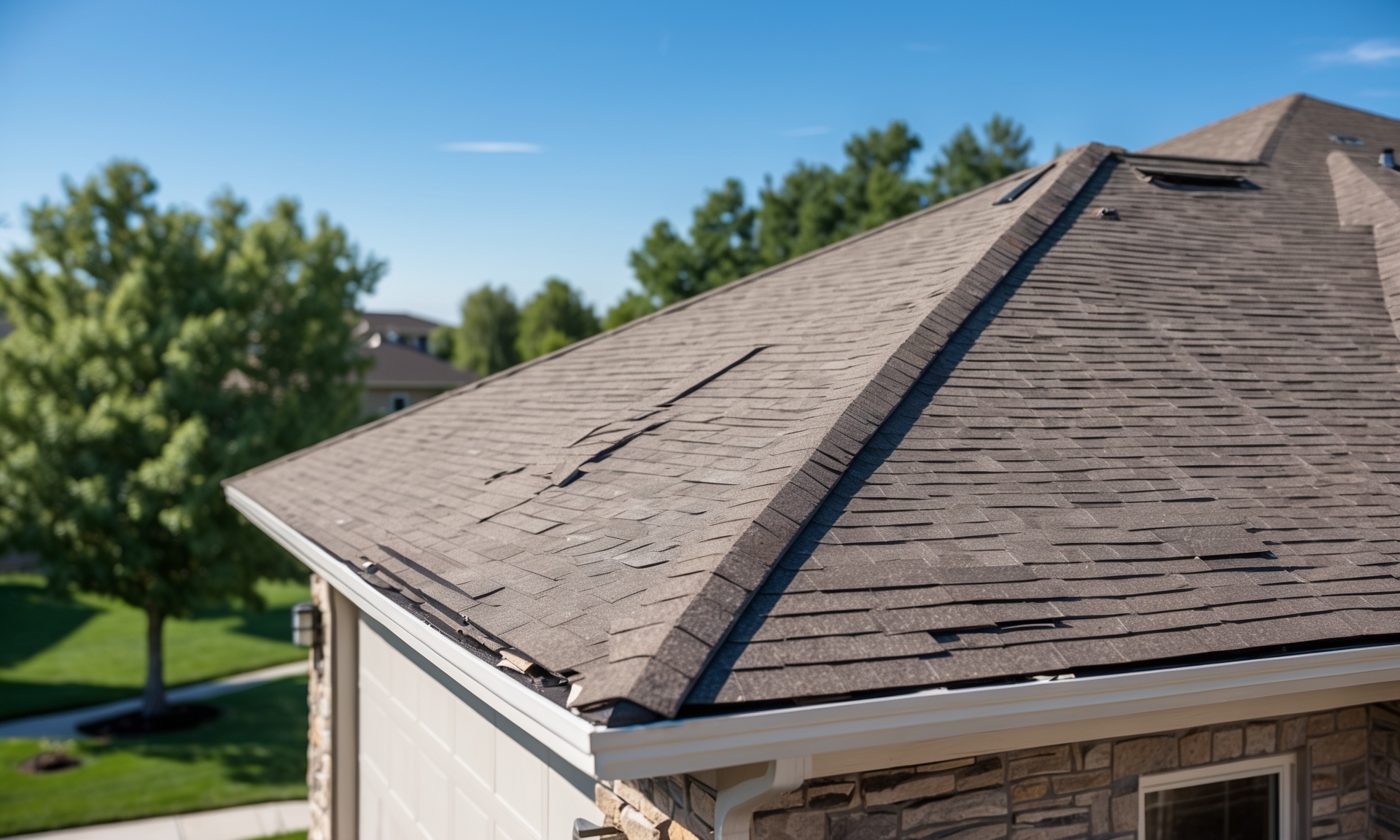
Flashing issues are a leading cause of roof leaks, but they often go unnoticed until water damage becomes visible inside your building. Common problems include corrosion, cracked seals, improper installation, and physical displacement due to wind or debris. Over time, even high-quality flashing can deteriorate, especially if it’s exposed to harsh weather or temperature fluctuations.
Signs of flashing failure may include water stains on ceilings, peeling paint near rooflines, or visible gaps around chimneys and skylights. During routine inspections, look for rust, loose sections, or caulking that has dried out and cracked. If you notice any of these warning signs, addressing them promptly can save you from more extensive repairs down the road.
Regular maintenance and timely repairs are key to preventing flashing-related leaks. For a deeper dive into how improved roof ventilation can also play a role in protecting your property, check out The Benefits of Roof Ventilation Upgrades for Wheat Ridge, CO Homes.
Identifying and Addressing Roof Vent Issues
Roof vents are designed to allow air to circulate through your attic or roof cavity, but they can become sources of leaks or inefficiency if not properly maintained. Common vent problems include cracked vent boots, missing or damaged covers, and blockages caused by debris or pest nests. Inadequate or malfunctioning vents can lead to excessive heat buildup in summer or condensation in winter, both of which can compromise your roof’s structure and your building’s energy efficiency.
To spot vent issues, look for signs such as musty odors in your attic, visible mold or mildew, or uneven indoor temperatures. From the exterior, inspect vents for cracks, rust, or missing components. If you notice water stains or damp insulation near vent openings, it’s time to take action.
Businesses in the area can benefit from specialized commercial roofing services that address these unique challenges. Learn more about tailored solutions at Commercial Roofing Solutions for Wheat Ridge, CO Businesses.
Understanding the Types of Roof Flashing
Not all roof flashing is created equal. There are several types, each designed for specific parts of your roof. Step flashing is used along roof-to-wall joints, while continuous (or apron) flashing protects the intersection between a sloped roof and a vertical wall. Valley flashing is installed where two roof planes meet, and vent pipe flashing surrounds plumbing vents. Chimney flashing, which includes base, step, and counter-flashing, is essential for keeping water out around brick or stone structures.
The material also matters. Aluminum is lightweight and rust-resistant, making it a popular choice. Copper is durable and long-lasting, though more expensive. Galvanized steel offers strength but may be prone to rust if the coating is damaged. The right flashing type and material depend on your roof’s design, the local climate, and your budget. Consulting with a roofing expert ensures that your flashing is both effective and appropriate for your property’s needs.
Understanding these differences can help you make informed decisions during repairs or upgrades, ensuring your roof remains protected for years to come.
How Weather Affects Flashing and Vent Performance
The region’s weather can be tough on roofing components. Flashing is particularly vulnerable to the freeze-thaw cycles that occur during colder months. Water can seep into small cracks, freeze, and expand, causing flashing to warp or pull away from the roof. Heavy winds may lift or dislodge flashing and vent covers, while hail can dent or puncture metal surfaces.
Vents face their own set of challenges. Snow and ice can block ventilation pathways, leading to moisture buildup and potential ice dam formation. Intense sunlight can cause plastic vent components to become brittle and crack over time. Regular inspections after severe weather events are crucial for catching and addressing damage before it leads to leaks or energy losses.
Proactive maintenance and weather-appropriate materials are your best defense against the elements. Local roofing professionals can recommend solutions that stand up to the unique weather patterns of this community.
DIY vs. Professional Repairs: What You Should Know
While some minor flashing or vent repairs may seem like a simple weekend project, there are important reasons to consider hiring a professional. Roof work involves safety risks, and improper repairs can lead to more extensive damage or void your roofing warranty. Professionals have the training, tools, and experience to identify underlying issues that may not be obvious to the untrained eye.
DIY repairs are sometimes appropriate for small tasks, such as resealing a minor crack or replacing a vent cover. However, larger jobs, like replacing flashing around a chimney or addressing widespread vent problems, require expertise to ensure long-term effectiveness. Professionals can also provide a thorough inspection, spotting potential trouble areas before they become major headaches.
Ultimately, the decision comes down to the scope of the repair, your comfort level with roof work, and the value of peace of mind. For most property owners, investing in professional service pays off in the long run.
Signs Your Roof Needs Immediate Attention
Catching roof problems early can save you from expensive repairs and interior damage. Some warning signs that your flashing or vents need immediate attention include:
- Active leaks or water stains on ceilings and walls
- Visible rust, gaps, or loose flashing
- Missing or cracked vent covers
- Mold or musty odors in attic spaces
- Sudden spikes in heating or cooling costs
If you notice any of these symptoms, it’s wise to schedule an inspection as soon as possible. Delaying repairs can allow water to infiltrate your building envelope, leading to rot, mold, and structural issues.
A proactive approach to roof maintenance is always more cost-effective than waiting for a crisis to occur.
The Repair Process: What to Expect
When you schedule a roof flashing or vent repair, the process typically begins with a detailed inspection. A roofing professional will assess the condition of your flashing and vents, looking for signs of wear, corrosion, or improper installation. They’ll also check for underlying issues such as wood rot, insulation problems, or hidden leaks.
Once the assessment is complete, you’ll receive a repair plan outlining the recommended fixes. This may involve replacing damaged flashing, resealing joints, installing new vent boots, or upgrading vent covers. The actual repair work usually takes a few hours to a day, depending on the complexity and extent of the damage.
After repairs are completed, a reputable contractor will test the area to ensure water tightness and proper airflow. They may also provide maintenance tips to help you extend the life of your roof and avoid future issues.
Cost Factors for Flashing and Vent Repairs
The cost of repairing roof flashing and vents can vary widely based on several factors. These include the type and extent of the damage, the materials used, the complexity of your roof design, and whether additional issues such as rot or insulation problems are discovered during the repair process.
Below is a table outlining some typical cost considerations for flashing and vent repairs:
| Repair Type | Typical Materials | Complexity Level | Potential Additional Costs |
|---|---|---|---|
| Step Flashing Replacement | Aluminum, Galvanized Steel | Moderate | Roof access, matching shingles |
| Chimney Flashing Repair | Copper, Aluminum | High | Masonry repairs |
| Vent Boot Replacement | Rubber, Plastic, Metal | Low to Moderate | Vent cover upgrades |
| Valley Flashing Repair | Galvanized Steel, Aluminum | Moderate | Debris removal |
Keep in mind that investing in quality repairs now can prevent much higher expenses due to water damage or structural issues in the future.
Maintenance Tips to Extend Roof Life
Regular maintenance is the best way to extend the life of your roof’s flashing and vents. Schedule professional inspections at least once a year, and after major storms, to catch small issues before they escalate. Keep gutters and downspouts clear to prevent water from backing up and seeping under flashing. Trim overhanging branches that could dislodge vent covers or scrape flashing during high winds.
It’s also wise to periodically check your attic for signs of moisture or mold, as these can indicate hidden leaks. Ensure that insulation doesn’t block vent openings, and replace any cracked or missing vent covers promptly. By staying proactive, you can avoid many common roof problems and enjoy lasting protection for your property.
A little attention now can save you from costly repairs and disruptions down the line.
Choosing the Right Contractor for the Job
Selecting a qualified roofing contractor is critical for ensuring quality repairs and long-term peace of mind. Look for companies with experience in the area, positive reviews, and proper licensing and insurance. Ask about their familiarity with local weather patterns and building codes, as these factors influence the best approach to flashing and vent repairs.
A reputable contractor will provide a detailed estimate, explain the repair process, and answer your questions clearly. Don’t hesitate to request references or view examples of past work. Remember, the lowest bid isn’t always the best choice, quality workmanship and reliable materials are worth the investment.
By choosing the right professional, you can be confident that your roof will continue to protect your investment for years to come.
Key Takeaways
Roof flashing and vent repair are essential for maintaining a safe, dry, and energy-efficient property in any community. By understanding the roles these components play, recognizing early warning signs, and investing in timely repairs, you can avoid costly damage and extend the life of your roof. Whether you’re a business owner, developer, or homeowner, proactive maintenance and the right professional help make all the difference. Stay vigilant, schedule regular inspections, and don’t hesitate to address issues as soon as they arise. Your property, and your peace of mind, will thank you.