


When it comes to replacing or repairing a roof, the process often begins with a detailed estimate and ends with a signed contract. For business owners, developers, and residents in the area, understanding what goes into a roofing estimate and contract is crucial to making informed decisions. Choosing the right roofing contractor wheat ridge co can make all the difference between a seamless project and costly surprises. In this guide, we’ll break down the essentials of roofing estimates and contracts, demystify industry jargon, and highlight what to look for so you can confidently protect your property investment. Whether you’re new to property management or have overseen multiple construction projects, this article will help you navigate the process with clarity and confidence.
What to Expect from a Roofing Estimate
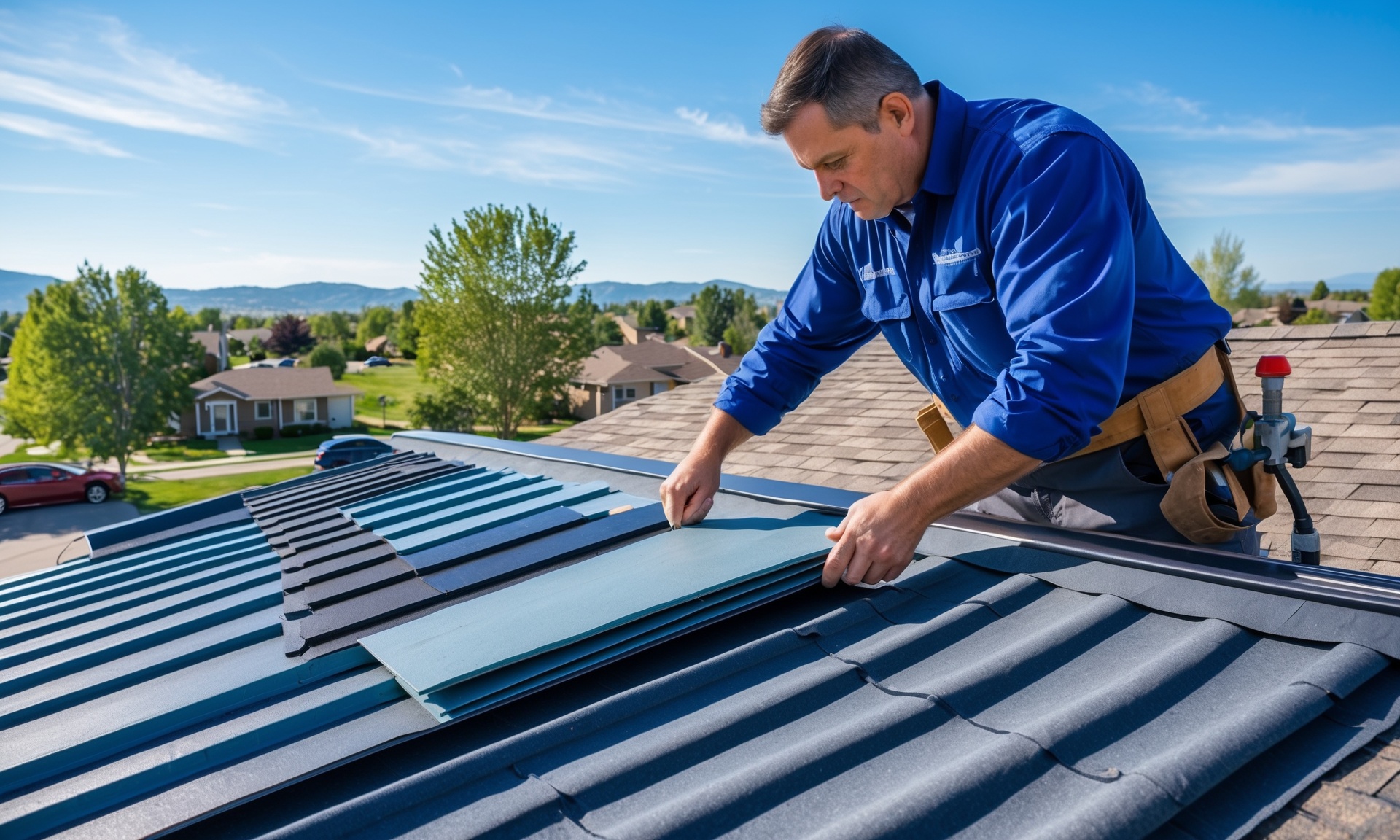
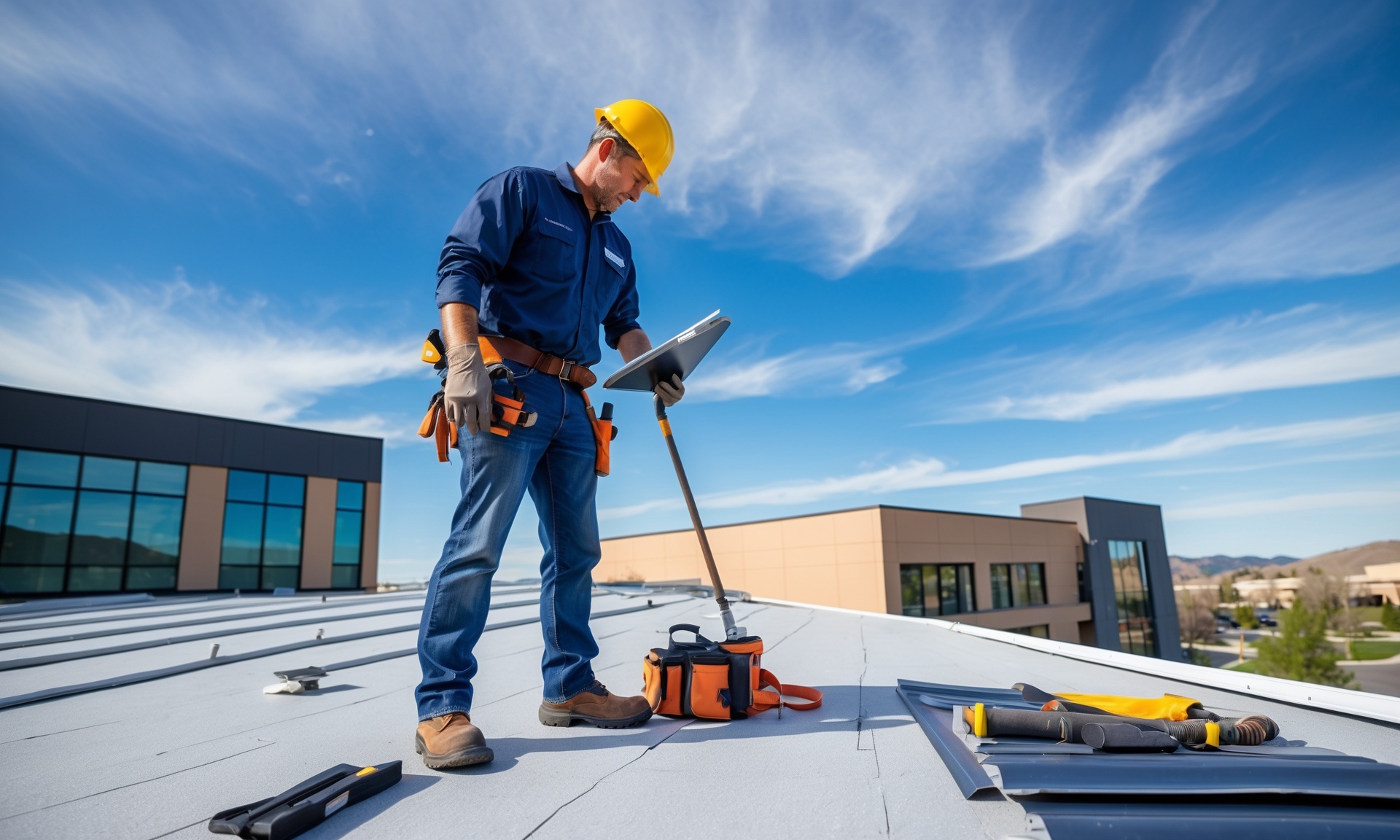
A roofing estimate is more than just a number scribbled on a piece of paper. It’s a comprehensive document that outlines the scope of work, materials, labor, and costs associated with your roofing project. When you reach out to a professional like Roper Roofing, you can expect a thorough evaluation of your roof’s current condition. The estimator will typically visit your property, inspect the roof for visible damage, measure the area, and take note of any unique challenges such as complex rooflines or accessibility issues.
The estimate should break down the costs for materials (such as shingles, underlayment, flashing, and ventilation), labor, disposal of old roofing, permits, and any additional services. A transparent estimate helps you compare bids from different contractors and ensures you’re not caught off guard by unexpected charges. It’s important to ask questions if any line items are unclear or if you notice discrepancies between estimates.
Some estimates also include optional upgrades or recommendations based on your roof’s age and the local climate. For example, a contractor might suggest impact-resistant shingles or improved attic ventilation to extend your roof’s lifespan. Understanding these options allows you to make choices that best fit your needs and budget.
Breaking Down the Components of a Roofing Contract
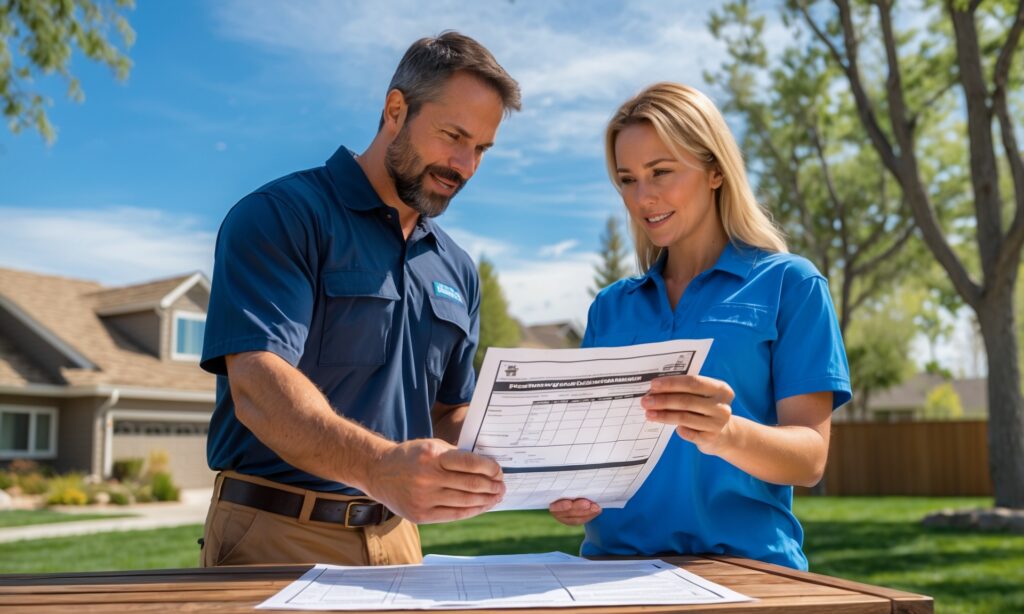
Once you’ve reviewed and accepted an estimate, the next step is signing a contract. This document formalizes the agreement between you and the contractor, spelling out every detail of the project. A well-written roofing contract protects both parties by setting clear expectations and providing a legal framework for resolving disputes.
Key elements of a roofing contract include a detailed description of the work to be performed, the materials to be used, the project timeline, payment terms, and warranty information. It should also specify who is responsible for obtaining permits and handling debris removal. Make sure the contract includes the contractor’s license number, insurance details, and a procedure for change orders if modifications are needed during the project.
Contracts should never be rushed. Take the time to read every clause and clarify anything that seems vague or confusing. If possible, have a trusted advisor or attorney review the document before you sign. For more insights into how environmental factors can affect your roofing project, check out How Weather and Altitude Affect Roof Lifespan in Wheat Ridge, CO.
Understanding Payment Structures and Schedules
One of the most important aspects of any roofing contract is the payment structure. Reputable contractors in this community typically require a deposit upfront, with the remainder due in installments or upon completion. Avoid contractors who demand full payment before any work begins, as this is a red flag for potential scams.
A standard payment schedule might include an initial deposit, a progress payment at a certain milestone (such as after materials are delivered or a specific phase is completed), and a final payment once the project passes inspection. The contract should clearly outline when each payment is due and what triggers the next installment. This protects both you and the contractor by ensuring that work is performed as agreed and payments are made on time.
It’s also wise to confirm what forms of payment are accepted and whether there are any penalties for late payments or incentives for early completion. For a deeper dive into what homeowners should expect during a roof replacement, see Residential Roof Replacement in Wheat Ridge, CO: What Local Homeowners Should Expect.
How to Compare Multiple Roofing Bids
Receiving several bids for your roofing project is a smart move. However, comparing them isn’t just about choosing the lowest price. Pay close attention to the details: Are all contractors using the same quality of materials? Do they offer similar warranties? Is the scope of work clearly defined and consistent across all bids?
Look for differences in labor costs, material brands, and proposed timelines. Sometimes a lower bid means corners will be cut, while a higher bid may include premium materials or more comprehensive warranties. Don’t hesitate to ask each contractor to explain their pricing and approach. Transparency and willingness to answer your questions are signs of a trustworthy professional.
Also, consider the reputation and experience of each contractor. Online reviews, references, and local business standing can provide valuable insight into the quality of their work and customer service. Remember, the cheapest option isn’t always the best value in the long run.
Key Clauses to Look For in Roofing Contracts
Not all roofing contracts are created equal. Some contain clauses that can significantly impact your rights and responsibilities. Here are a few to watch for:
- Scope of Work: This should be detailed and specific, outlining exactly what will be done and what materials will be used.
- Change Order Policy: Specifies how changes to the original plan are handled, including additional costs and approvals.
- Termination Clause: Outlines the conditions under which either party can end the contract and what penalties, if any, apply.
- Warranty Details: Clearly states what is covered, for how long, and any exclusions.
- Dispute Resolution: Describes the process for resolving disagreements, such as mediation or arbitration.
Carefully reviewing these clauses can save you from headaches down the road. If something is missing or seems one-sided, ask for revisions before signing.
Common Roofing Estimate Mistakes and How to Avoid Them
Even experienced property owners can fall into common traps when reviewing roofing estimates. One frequent mistake is overlooking exclusions or fine print that could lead to extra charges later. For example, some estimates may not include costs for replacing rotten decking, upgrading ventilation, or disposing of old materials.
Another pitfall is failing to verify that the contractor is licensed and insured. Always request proof of both before moving forward. It’s also wise to check for manufacturer certifications, which can indicate a higher level of training and expertise.
Finally, don’t be afraid to ask for clarification on any part of the estimate. A reputable contractor will be happy to explain their process and pricing. Taking these precautions ensures you know exactly what you’re paying for and reduces the risk of costly surprises.
Warranties, Permits, and Legal Requirements
Warranties are a critical part of any roofing contract. They protect you against defects in materials and workmanship, giving you peace of mind that your investment is secure. Be sure to understand the difference between manufacturer warranties (which cover materials) and contractor warranties (which cover labor and installation).
Permits are another essential consideration. Most roofing projects require permits from the local building department. Your contractor should handle the permitting process, but it’s your responsibility to confirm this is done. Unpermitted work can lead to fines and complications when selling your property.
Legal requirements vary by jurisdiction, but always ensure your contractor is in compliance with local codes and regulations. This protects you from liability and ensures the work is completed to industry standards.
The Role of Communication Throughout the Project
Clear communication is the foundation of a successful roofing project. From the initial estimate to the final walk-through, maintaining an open dialogue with your contractor helps prevent misunderstandings and delays. Set expectations early about how and when updates will be provided.
Ask for a primary point of contact and establish preferred methods of communication, whether it’s phone, email, or text. Regular updates on progress, weather delays, or unexpected issues keep everyone on the same page. Don’t hesitate to voice concerns or ask questions at any stage. A good contractor values transparency and will keep you informed every step of the way.
Effective communication also extends to post-project follow-up. Make sure you receive all warranty documents, final inspection reports, and maintenance recommendations before closing out the job.
Sample Roofing Estimate Comparison Table
| Item | Estimate A | Estimate B | Estimate C |
|---|---|---|---|
| Tear-Off & Disposal | Included | Not Included | Included |
| Shingle Brand | Brand X | Brand Y | Brand X |
| Labor Warranty | 5 Years | 2 Years | 5 Years |
| Permit Fees | Included | Included | Not Included |
| Total Price | $12,000 | $10,500 | $11,800 |
This sample table illustrates how estimates can vary in what’s included, the brands used, warranty coverage, and overall cost. Always review each line item to understand the true value being offered.
Red Flags and Warning Signs When Reviewing Estimates
Not all contractors operate with the same level of professionalism. Watch for warning signs such as vague or incomplete estimates, reluctance to provide references, or pressure to sign a contract immediately. Be wary of bids that are significantly lower than others, as this can indicate subpar materials or hidden fees.
Other red flags include lack of proper licensing, no physical business address, and requests for large upfront payments. Trust your instincts, if something feels off, it’s worth investigating further before committing.
Doing your due diligence helps ensure you partner with a contractor who values quality, transparency, and customer satisfaction.
Tips for a Smooth Roofing Project Experience
Preparation is key to a successful roofing project. Start by clearing the area around your building to provide easy access for the crew and materials. Communicate any concerns about landscaping, pets, or parking ahead of time.
Stay engaged throughout the project. Request updates, ask questions, and inspect the work at key milestones. Address issues promptly to avoid misunderstandings. Once the job is complete, review the final walkthrough checklist with your contractor to ensure all work meets your expectations.
Finally, keep all documentation, including contracts, estimates, warranties, and inspection reports, in a safe place for future reference. This paperwork will be invaluable if you ever need to file a warranty claim or sell your property.
Final Thoughts
Navigating roofing estimates and contracts doesn’t have to be overwhelming. By understanding what to expect, knowing what questions to ask, and staying vigilant for red flags, you can confidently manage your roofing project from start to finish. Remember, the right contractor will be transparent, communicative, and committed to delivering quality work that protects your investment for years to come. Whether you’re a business owner, developer, or homeowner, an informed approach ensures your roofing experience in this city is a positive one.