

A Homeowner’s Guide to Hiring a Residential Roofing Company in Wheat Ridge, CO
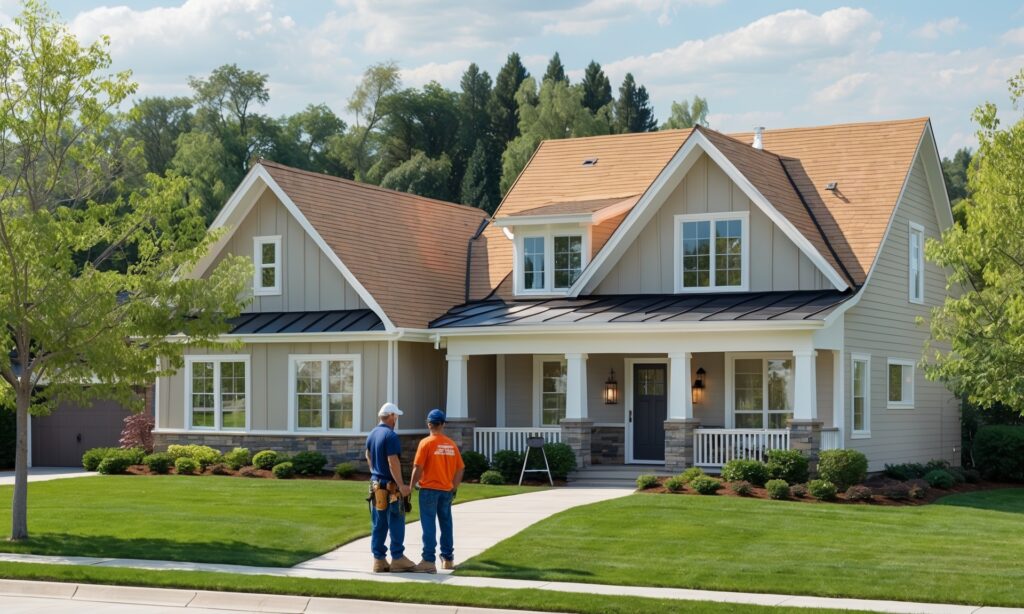

Hiring the right residential roofing company in Wheat Ridge, CO can feel overwhelming for homeowners, especially when your roof is one of your home’s most important investments. Whether you’re a new homeowner, a seasoned property developer, or simply want to protect your family and assets, understanding how to choose a trustworthy roofing contractor is crucial. The process involves more than just picking a name from a list, it’s about ensuring safety, quality, and long-term value. In this guide, we’ll walk you through what to look for, questions to ask, and steps to take so you can confidently select a residential roofing company that meets your needs and exceeds your expectations. From understanding local roofing challenges to evaluating credentials, warranties, and communication styles, you’ll find practical advice to make an informed decision and keep your home protected for years to come.
Understanding the Local Roofing Landscape
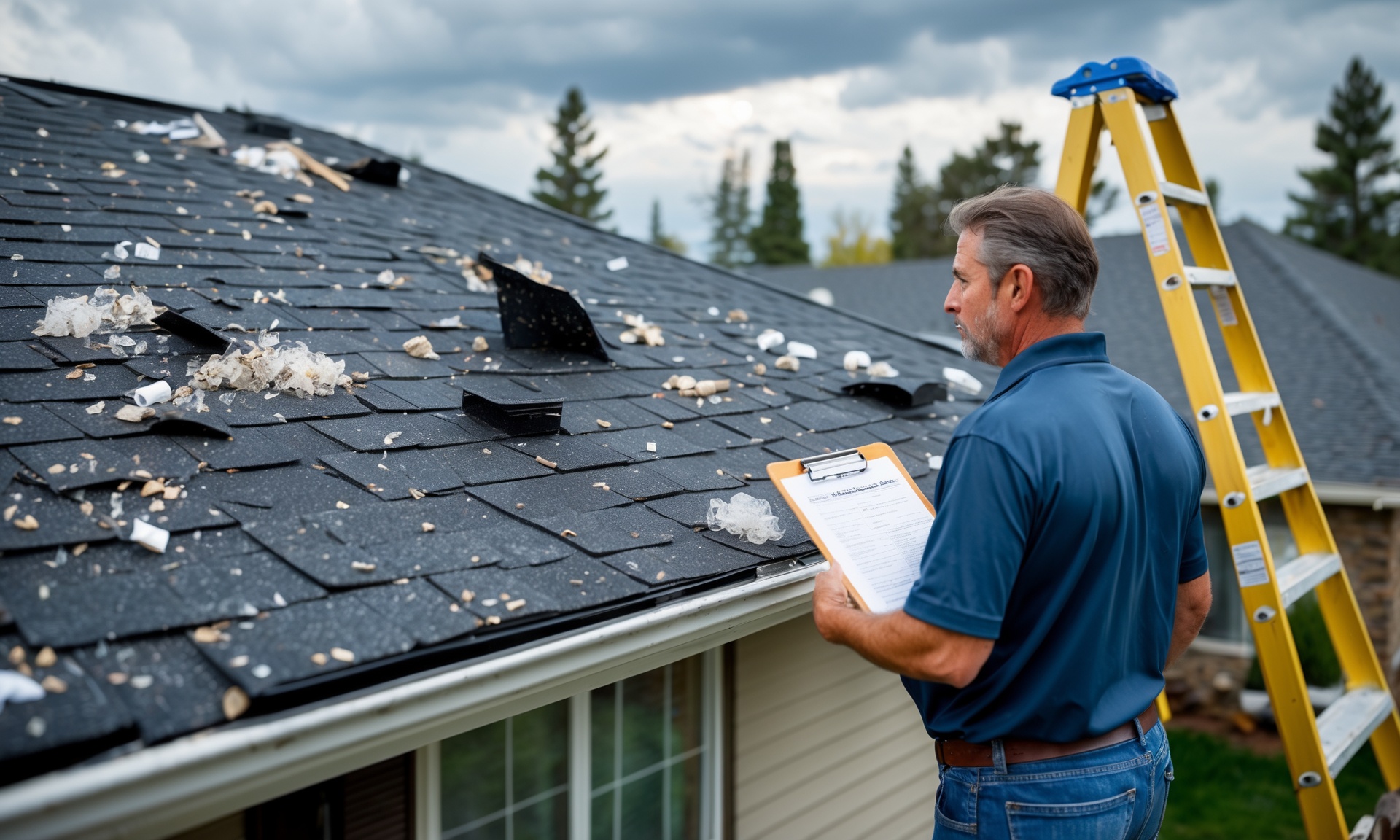
Every region comes with its own set of roofing challenges, and the area around Wheat Ridge is no exception. Factors like weather patterns, altitude, and local architectural styles all influence the best roofing solutions for your home. For example, roofs here must withstand sudden hailstorms, heavy snow, and intense sun exposure. These conditions can accelerate wear and tear, making it essential to work with a contractor who understands the unique needs of homes in this community.
A reputable Roper Roofing company will have experience with local building codes and be able to recommend materials and installation methods that offer the best protection and longevity. They’ll also be familiar with permit processes and neighborhood association requirements, helping you avoid costly mistakes or delays. When you interview potential contractors, ask about their experience with homes in your area and how they adapt their services to meet local needs.
Additionally, consider the types of roofs common in the neighborhood. Are most homes topped with asphalt shingles, metal panels, or tile? This can give you insight into what works well in your climate and what options might be available for your own property. By choosing a contractor who is deeply familiar with the region’s roofing landscape, you’ll benefit from their local expertise and avoid pitfalls that outsiders might miss.
Key Credentials to Look for in a Roofing Contractor
One of the most important steps in hiring a residential roofing company is verifying their credentials. This goes beyond checking for a business license, you want to ensure your contractor is fully insured, bonded, and certified to work on homes in your region. Insurance protects you from liability in case of accidents, while bonding provides financial assurance that the job will be completed as agreed.
Ask for proof of general liability and workers’ compensation insurance, and don’t hesitate to contact the insurer directly to confirm coverage. Additionally, check for manufacturer certifications, which indicate that the company has received specialized training to install certain roofing products. This can be especially important if you’re interested in premium materials or extended warranties.
Membership in professional organizations, such as the National Roofing Contractors Association (NRCA), can also signal a commitment to industry standards and ongoing education. Finally, look for local references and a solid track record of completed projects. A company that is transparent about its credentials and eager to provide documentation is more likely to deliver quality work and stand behind its services.
For those considering upgrades, learning about The Benefits of Roof Ventilation Upgrades for Wheat Ridge, CO Homes can be a valuable step in the vetting process.
Evaluating Communication and Customer Service
Effective communication is a hallmark of a professional roofing company. From your first inquiry to the final walkthrough, the contractor should be responsive, clear, and willing to answer all your questions. Pay attention to how quickly they return calls or emails, how thoroughly they explain your options, and whether they provide written estimates and timelines.
A company that values customer service will keep you informed at every stage of the project, address concerns promptly, and respect your schedule and property. Look for signs of transparency, such as detailed contracts, itemized bids, and clear explanations of warranty terms. Reading online reviews and asking for references can give you a sense of how the company treats its clients and handles unexpected issues.
If you ever face an urgent situation, knowing what to do is crucial. Resources like Emergency Roof Repair in Wheat Ridge, CO: What to Do After a Sudden Leak can help you prepare and evaluate how a company responds to emergencies. Ultimately, choose a contractor who makes you feel confident, respected, and informed throughout the entire process.
Comparing Roofing Estimates: What to Watch For
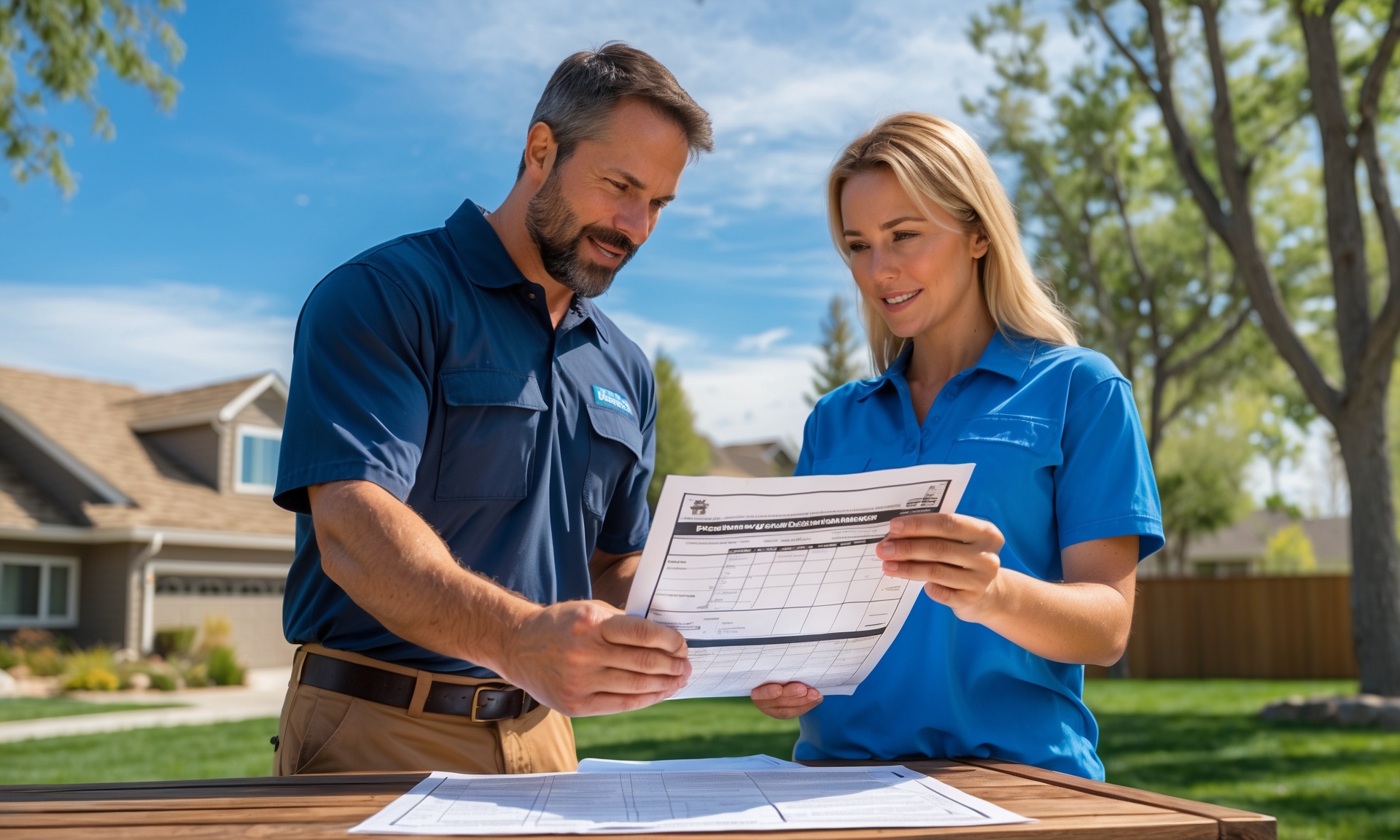
When you request estimates from multiple roofing companies, you may notice significant differences in pricing, materials, and project timelines. It’s important to look beyond the bottom line and understand what each estimate includes. A detailed estimate should break down the costs for labor, materials, removal of old roofing, disposal fees, and any additional services such as ventilation upgrades or gutter installation.
Be wary of unusually low bids, which may indicate the use of subpar materials or shortcuts in workmanship. On the other hand, the highest bid does not always guarantee the best quality. Ask each contractor to explain their pricing and provide a list of materials they plan to use. This transparency allows you to compare apples to apples and avoid hidden charges or unexpected expenses down the line.
Also, check whether the estimate includes warranty coverage, permit fees, and cleanup services. A reputable company will be upfront about all costs and willing to answer your questions. Taking the time to review and compare estimates thoroughly can help you make a confident, informed decision that balances quality with budget.
Understanding Roofing Warranties and Guarantees
Warranties are a critical aspect of any roofing project, offering homeowners peace of mind and protection against future issues. There are typically two types of warranties to consider: manufacturer warranties, which cover defects in roofing materials, and workmanship warranties, which cover installation errors. Before signing a contract, ask the company to clearly explain both types of coverage, including what is and isn’t included, how long the warranties last, and the process for filing a claim.
Some roofing companies offer extended or transferable warranties, which can add value if you plan to sell your home in the future. Be sure to get all warranty information in writing and keep it in a safe place for future reference. Understanding the fine print can save you from headaches and unexpected costs if problems arise after the project is complete.
A trustworthy contractor will stand behind their work and be willing to address any issues that come up during the warranty period. Don’t hesitate to ask for examples of how the company has handled warranty claims in the past. This can give you confidence that your investment is protected for years to come.
Questions Every Homeowner Should Ask Before Signing
Before you commit to a roofing contractor, it’s essential to ask the right questions to ensure you’re making an informed choice. Here are some key questions to consider:
- How long have you been in business, and can you provide local references?
- Are you licensed, insured, and bonded for residential roofing projects?
- What types of roofing materials do you recommend for homes in this region, and why?
- Can you provide a detailed written estimate and timeline for the project?
- What is your policy for handling unexpected issues or changes during the project?
- Do you offer warranties on both materials and workmanship?
- How will you protect my property and landscaping during the installation?
- Who will be my main point of contact throughout the project?
By asking these questions, you can gauge the company’s professionalism, transparency, and commitment to customer satisfaction. A contractor who answers confidently and thoroughly is more likely to deliver a positive experience and a quality result.
Red Flags to Avoid When Choosing a Roofing Company
While many roofing contractors operate with integrity, it’s important to be aware of warning signs that could indicate potential problems. Watch out for companies that pressure you to sign a contract immediately or demand large upfront payments before any work begins. Be cautious of contractors who offer vague estimates, refuse to provide proof of insurance, or lack a physical business address.
Another red flag is a lack of transparency regarding materials or installation methods. If a company is unwilling to explain their process or answer your questions, it’s best to look elsewhere. Avoid contractors who solicit business door-to-door after storms or natural disasters, as these “storm chasers” may not be licensed or insured locally and could disappear once the job is done.
Finally, check online reviews and ratings, but be wary of companies with only glowing or suspiciously similar testimonials. A mix of positive and constructive feedback is a good sign of authenticity. Trust your instincts and don’t be afraid to walk away if something doesn’t feel right. Protecting your home starts with choosing a contractor you can trust.
How to Prepare Your Home for a Roofing Project
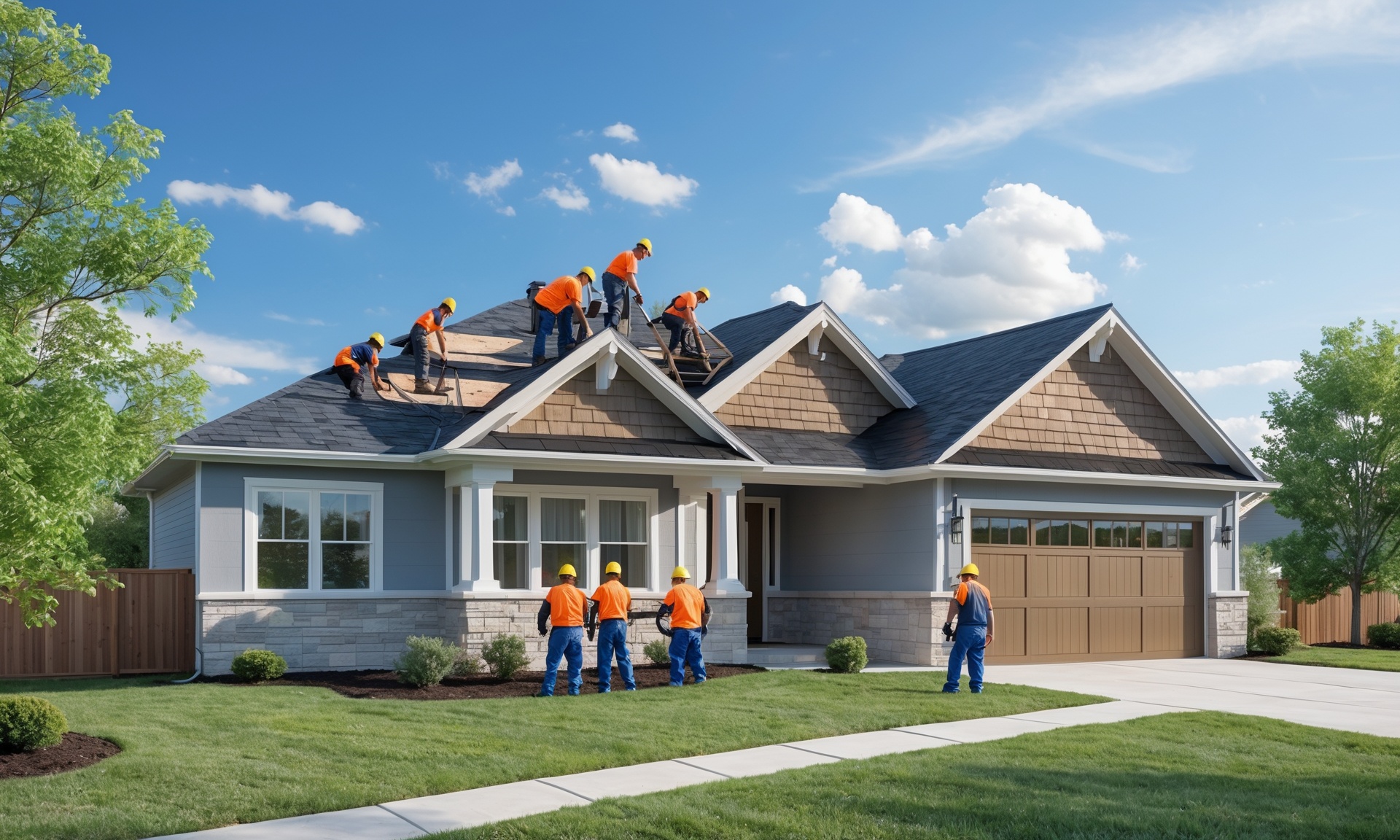
Once you’ve selected a roofing company, preparing your home for the project can help ensure a smooth process and minimize disruptions. Start by clearing your driveway and surrounding areas to provide easy access for workers and equipment. Move vehicles, outdoor furniture, and fragile items away from the work zone to prevent accidental damage.
Inside your home, remove wall decorations and secure valuables, as vibrations from construction can cause items to fall. Let your neighbors know about the upcoming project, especially if parking or noise may be an issue. If you have pets or small children, consider making arrangements to keep them safe and comfortable during the installation.
Finally, discuss the project timeline and daily work hours with your contractor so you know what to expect. Clear communication and preparation can help the project run smoothly and reduce stress for everyone involved.
Comparing Roofing Materials: Pros and Cons
Choosing the right roofing material is a major decision that affects your home’s durability, appearance, and energy efficiency. Below is a comparison of some of the most common roofing materials used by residential roofing companies in the region. Each material has its own strengths and considerations, so weigh your options carefully in consultation with your contractor.
| Material | Durability | Maintenance | Aesthetic | Cost |
|---|---|---|---|---|
| Asphalt Shingles | 15-30 years | Low | Variety of colors/styles | Affordable |
| Metal Roofing | 40-70 years | Minimal | Modern, sleek | Moderate to high |
| Tile Roofing | 50+ years | Low | Classic, upscale | High |
| Wood Shakes | 20-40 years | Moderate | Natural, rustic | Moderate |
Discuss your priorities with your contractor, considering factors like climate, curb appeal, and long-term maintenance. The right material will enhance your home’s value and performance for years to come.
The Role of Roofing in Home Value and Energy Efficiency
A well-installed roof does more than protect your home from the elements, it can also boost curb appeal, increase property value, and improve energy efficiency. Modern roofing materials and installation techniques can help regulate indoor temperatures, reduce heating and cooling costs, and create a more comfortable living environment.
Energy-efficient roofing options, such as reflective shingles or metal panels, can minimize heat absorption and keep your home cooler in the summer. Proper insulation and ventilation further enhance these benefits, preventing moisture buildup and reducing the risk of mold or ice dams in colder months.
When it comes time to sell, a new or recently updated roof is a major selling point for potential buyers. It signals that the home has been well maintained and reduces the likelihood of expensive repairs in the near future. Investing in quality roofing is not just about immediate protection, it’s a smart long-term strategy for maintaining and increasing your home’s value.
Final Thoughts
Choosing the right residential roofing company is a significant decision that impacts your home’s safety, comfort, and value. By understanding the local roofing landscape, verifying credentials, comparing estimates, and asking the right questions, you can confidently navigate the hiring process. Remember to watch for red flags, prioritize clear communication, and select materials that suit your needs and budget. Preparation and knowledge are your best tools for ensuring a successful roofing project. With the right contractor by your side, you’ll enjoy peace of mind knowing your home is protected for years to come.