

What Wheat Ridge, CO Property Owners Should Know About Commercial Roofing Contractors
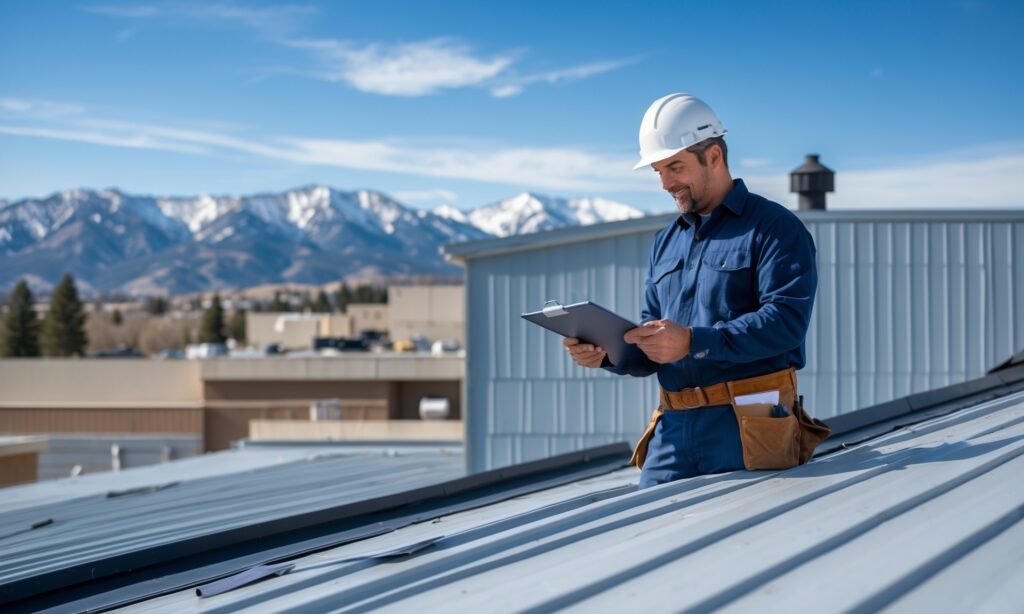

When it comes to protecting your business property, choosing the right commercial roofing contractor Wheat Ridge CO is one of the most important decisions you’ll make. The roof over your commercial space does much more than keep the rain out, it preserves your investment, protects your operations, and can even impact your energy costs and building value. For small business owners, developers, and anyone managing property in this community, understanding how to select, work with, and get the most from a commercial roofing contractor is essential. In this guide, we’ll break down what makes a contractor reputable, what services you should expect, how to navigate contracts and warranties, and what local property owners need to know about maintaining and upgrading commercial roofs. Whether you’re facing a repair, a full replacement, or simply want to extend the life of your current roof, the right information will help you make confident, cost-effective decisions for your property.
Understanding the Role of a Commercial Roofing Contractor
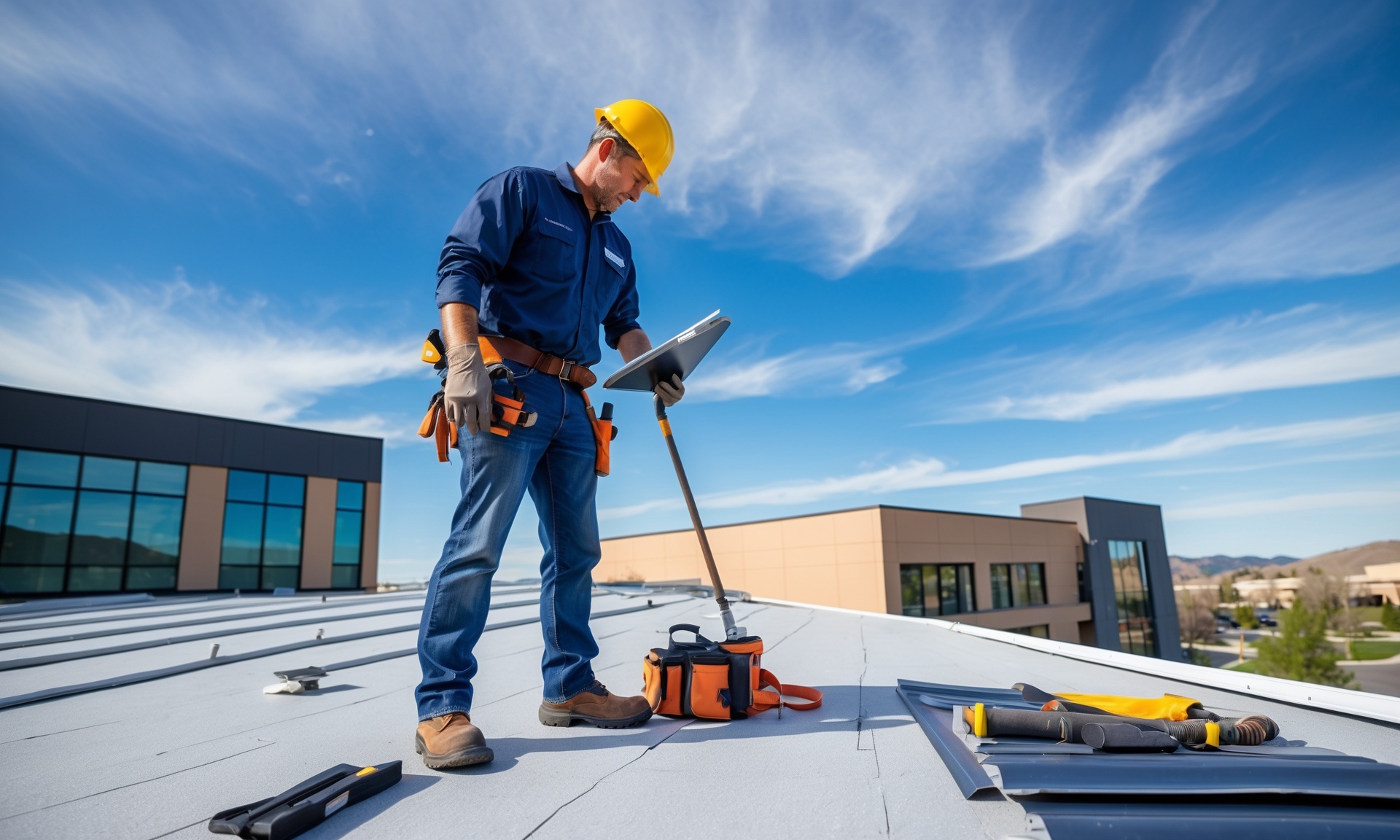
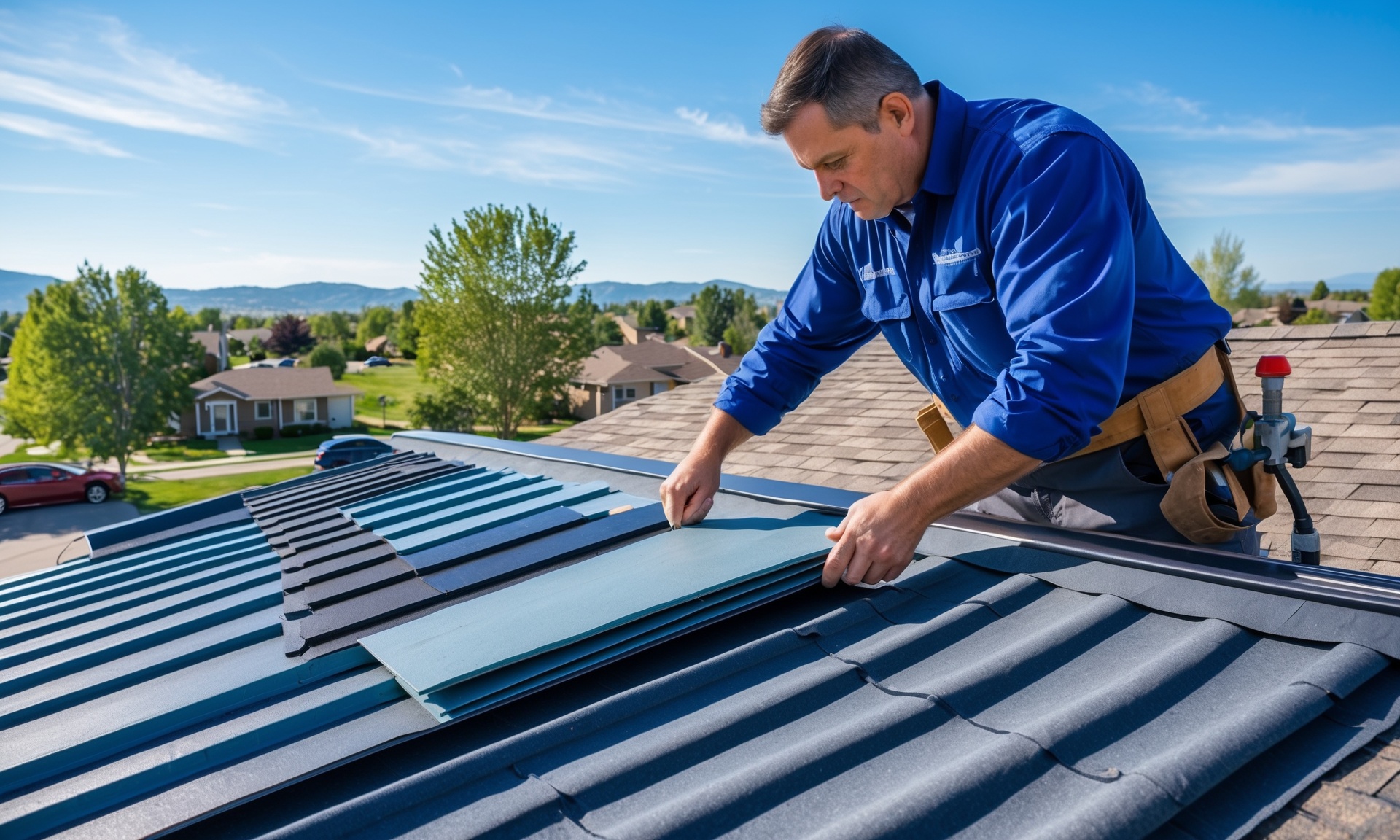
A commercial roofing contractor is more than just a team that installs or repairs roofs. These professionals are responsible for assessing your property’s unique needs, recommending the right materials, and ensuring that every aspect of the roof system functions optimally. Unlike residential roofing, commercial projects often involve complex flat or low-slope systems, advanced waterproofing, and integration with HVAC, solar, and drainage systems. A skilled contractor will consider factors like local weather patterns, building codes, and your business’s operational needs to recommend the best solutions. Their expertise can mean the difference between a roof that lasts decades and one that fails prematurely. For property owners, partnering with a knowledgeable contractor like Roper Roofing ensures that your investment is protected from day one.
In addition to installation and repairs, commercial roofing contractors provide ongoing maintenance, inspections, and emergency response services. They keep up with the latest industry standards and technology, which is crucial for maximizing roof lifespan and efficiency. By understanding the full scope of what a contractor does, property owners can better communicate their needs and set clear expectations for project outcomes.
Key Services Offered by Commercial Roofing Experts
Commercial roofing contractors offer a wide range of services tailored to the needs of business properties. These include roof installation, repairs, restoration, coatings, and preventive maintenance. Many also provide specialized services such as leak detection, thermal imaging, and energy efficiency upgrades. The right contractor will help you identify which services are most beneficial for your property’s age, type, and condition.
Regular inspections are one of the most valuable services, catching small issues before they escalate into costly repairs. For those buying or selling a property, a thorough inspection is essential. The Roof Inspection Checklist for Wheat Ridge, CO Homeowners Before Buying or Selling is a resource that can help you understand what to look for and what to expect from a professional evaluation. Maintenance programs are another key offering, helping to extend the life of your roof and ensure warranty compliance.
Contractors also advise on material selection, from traditional built-up roofs to modern single-ply membranes, metal systems, and green roofing options. Their guidance can help you balance upfront costs with long-term performance and sustainability goals.
How Commercial Roofers Handle Storm and Weather Damage
Severe weather is a reality for many business owners in this region, and commercial roofing contractors play a critical role in helping properties recover from hail, wind, and heavy rain events. When a storm hits, the first step is a thorough inspection to assess the extent of the damage. Experienced contractors know how to identify both obvious and hidden issues, such as punctures, membrane tears, or compromised flashing.
Timely repairs are essential to prevent leaks and further structural problems. Contractors often work directly with insurance adjusters to document damage and ensure that claims are processed efficiently. The guide Hail and Wind Damage Roof Repairs in Wheat Ridge, CO: A Homeowner’s Next Steps provides a step-by-step overview of what to do after a storm, including how to choose a contractor and what to expect during the repair process.
In addition to emergency repairs, many contractors offer preventive solutions such as impact-resistant materials and reinforced roofing systems. These upgrades can help protect your property from future storms, reducing the risk of costly downtime and repairs.
What to Look for in a Commercial Roofing Contractor
Choosing the right commercial roofing contractor is about more than just price. Look for companies with a strong local reputation, proper licensing, and comprehensive insurance. Ask about their experience with projects similar to yours and request references from other property owners in the area. Transparency is key, reputable contractors provide detailed estimates, clear timelines, and written warranties for both materials and workmanship.
Communication is another crucial factor. A good contractor will keep you informed at every stage, from initial assessment to project completion. They should be willing to answer your questions and explain their recommendations in plain language. Look for contractors who invest in ongoing training for their crews and who stay current with the latest roofing technologies and safety standards.
Finally, check for manufacturer certifications, which indicate that the contractor has met rigorous standards for installation and service. These credentials can also unlock extended warranty options, providing additional peace of mind for property owners.
Navigating Commercial Roofing Contracts and Warranties
Understanding your roofing contract is essential for protecting your interests. A well-written contract should outline the scope of work, materials to be used, project timeline, payment schedule, and warranty details. Make sure you know what is covered under the warranty, some warranties only cover materials, while others include labor and installation. Ask about exclusions, such as damage from severe weather or lack of maintenance, and clarify how warranty claims are handled.
It’s also important to understand the difference between manufacturer warranties and contractor workmanship warranties. Manufacturer warranties typically cover defects in roofing materials, while workmanship warranties protect against installation errors. Both are important for long-term peace of mind. Don’t hesitate to consult with a legal or construction professional if you have questions about contract terms or warranty coverage.
Before signing, verify that the contract includes a detailed breakdown of costs and a clear process for handling changes or unforeseen issues. This transparency helps avoid disputes and ensures that everyone is on the same page throughout the project.
Comparing Roofing Materials for Commercial Properties
Selecting the right roofing material is a major decision for any commercial property. Each option has its own advantages, lifespan, and maintenance requirements. Some of the most common materials include built-up roofing (BUR), modified bitumen, single-ply membranes like TPO and EPDM, metal roofing, and green or cool roofing systems. The best choice depends on your building’s structure, climate, and budget.
For example, single-ply membranes are popular for their energy efficiency and ease of installation, while metal roofs offer exceptional durability and fire resistance. Green roofs provide environmental benefits and can help manage stormwater runoff, but require specialized installation and maintenance. Your contractor should walk you through the pros and cons of each option, considering factors like insulation, reflectivity, and compatibility with existing structures.
Investing in high-quality materials can pay off in the long run through lower maintenance costs and improved building performance. Be sure to ask about the expected lifespan and maintenance needs of each material before making a decision.
The Importance of Preventive Maintenance for Commercial Roofs
Preventive maintenance is one of the most effective ways to protect your roofing investment. Regular inspections and minor repairs can extend the life of your roof, reduce the risk of leaks, and keep your warranty valid. Maintenance programs typically include cleaning debris, checking for ponding water, inspecting seams and flashings, and ensuring that drains and gutters are clear.
Many property owners underestimate the value of scheduled maintenance, only addressing issues when leaks or damage become apparent. However, proactive care can save significant money over time by catching problems early and avoiding emergency repairs. Contractors often provide maintenance agreements that include annual or semi-annual inspections, detailed reports, and priority service for urgent issues.
Regular maintenance also supports energy efficiency by ensuring that insulation and reflective surfaces remain intact. This can help control heating and cooling costs, making your building more comfortable and cost-effective to operate.
How Local Climate Influences Commercial Roofing Choices
The climate in this region presents unique challenges for commercial roofs. Temperature swings, intense sun, hail, and heavy snow all impact roofing materials and installation methods. Contractors with local experience understand how to select and install roofs that can withstand these conditions. For example, they may recommend materials with high UV resistance or systems designed to shed snow and ice efficiently.
It’s also important to consider ventilation and insulation, which play a major role in preventing ice dams and managing indoor temperatures. A contractor familiar with the area’s climate can help you choose solutions that balance durability, energy efficiency, and cost. They’ll also be aware of any local building codes or regulations that affect roofing design and installation.
By working with a contractor who understands the local environment, you can ensure that your roof is built to last and performs reliably year-round.
Energy Efficiency and Sustainability in Commercial Roofing
Many commercial property owners are looking for ways to reduce energy costs and improve sustainability. Modern roofing technologies offer a range of options, from cool roofs that reflect sunlight to green roofs that support vegetation and manage stormwater. Energy-efficient roofing can lower utility bills, enhance occupant comfort, and even qualify your building for tax incentives or green certifications.
Contractors can help you evaluate the ROI of different upgrades, such as reflective membranes, added insulation, or integrated solar panels. They’ll also advise on maintenance practices that preserve energy performance over time. When considering sustainable roofing, look for contractors with experience in eco-friendly materials and systems, as proper installation is key to achieving desired results.
Sustainability isn’t just about materials, it’s also about extending the life of your roof through regular care and timely repairs. By making informed choices, you can support your business’s environmental goals while protecting your bottom line.
Table: Comparing Commercial Roofing Materials
| Material | Typical Lifespan | Key Benefits | Common Uses |
|---|---|---|---|
| TPO (Thermoplastic Polyolefin) | 15-20 years | Energy efficient, UV resistant, cost-effective | Flat/low-slope roofs |
| EPDM (Ethylene Propylene Diene Monomer) | 20-25 years | Durable, weather resistant, easy repairs | Commercial buildings |
| Metal Roofing | 30-50 years | Long lifespan, fire resistant, recyclable | Retail, industrial, offices |
| Built-Up Roofing (BUR) | 15-30 years | Multiple layers, good waterproofing | Older commercial properties |
| Green Roofs | Varies | Eco-friendly, stormwater management | Sustainable buildings |
Questions to Ask Before Hiring a Commercial Roofer
Before signing a contract, it’s important to ask the right questions to ensure you’re working with a qualified and trustworthy contractor. Some key questions include:
- Are you licensed and insured for commercial roofing projects?
- How many years of experience do you have with properties like mine?
- Can you provide references from recent commercial clients?
- What is your process for handling unexpected issues or delays?
- What warranties do you offer, and what do they cover?
- How do you ensure safety on the job site?
- Do you offer maintenance programs after installation?
Asking these questions will help you gauge the contractor’s professionalism, reliability, and commitment to quality. It also sets the stage for a successful working relationship and a roof that stands the test of time.
Final Thoughts
Choosing the right commercial roofing contractor for your property is a decision that will impact your business for years to come. By understanding the full range of services available, knowing what to look for in a contractor, and staying proactive with maintenance, you can protect your investment and ensure the long-term performance of your roof. Remember to consider local climate factors, ask the right questions, and prioritize clear communication throughout the process. With the right partner, your commercial roof will provide reliable protection, support your business goals, and add value to your property for decades. Whether you’re planning a new installation, facing repairs, or simply want to extend your roof’s lifespan, informed decisions are your best tool for success.